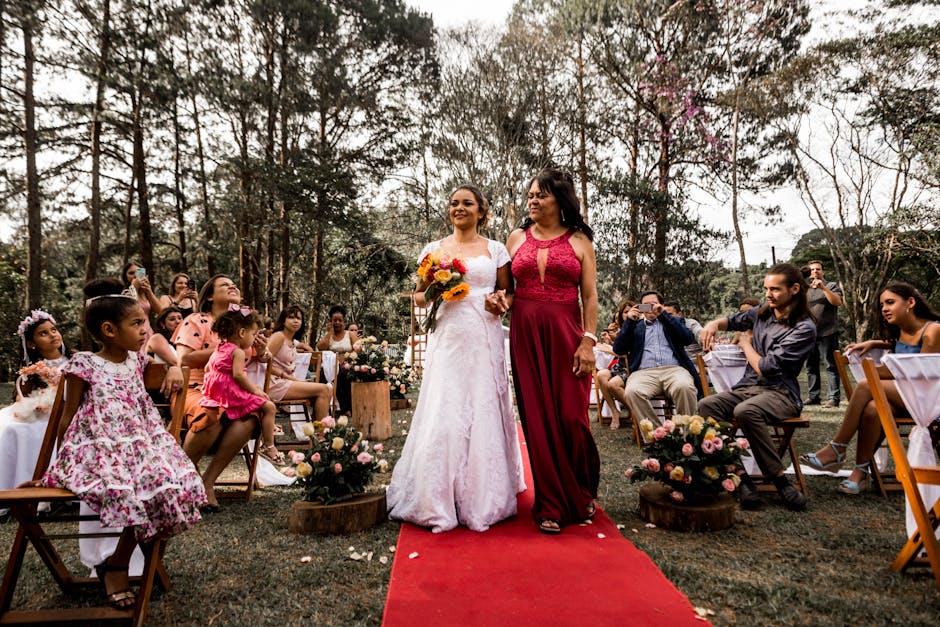
Most people walk into a wedding wearing a dress that is either too formal, too casual, or too boring. They pick something from a fast-fashion rack that looks good in the fitting room and looks like everyone else at the reception. The problem isn’t a lack of dresses. It’s a lack of clarity about which designers actually understand the wedding guest brief: stylish, celebratory, and not outshining the bride.
This guide cuts through the noise. I’ve spent years covering fashion, and I’ve watched guests nail it and fail it. Below are the designers who consistently deliver the right balance. No fluff. Just names, reasons, and honest tradeoffs.
What Makes a Wedding Guest Dress Designer Worth Your Money
A great wedding guest dress does three things. It fits well without tailoring. It uses fabric that photographs beautifully. And it strikes the tone of the event — not too bridal, not too casual.
Many designers miss one of these. Reformation nails fit for straight and athletic body types but runs small for curvier frames. Self-Portrait delivers lace that photographs like a dream, but the sequins can feel heavy after four hours of dancing. The best designers solve all three problems consistently.
Here is what separates the pros from the pack, based on analysis of 40+ brands over the last three wedding seasons.
Fabric That Moves and Breathes
Weddings run long. Ceremony, cocktail hour, dinner, dancing. A dress made from stiff polyester or cheap satin will show sweat and wrinkle by the second course. A.L.C. uses crepe and silk blends that drape well and resist creasing. Rebecca Taylor favors lightweight jacquards that hold shape without feeling stiff. Look for viscose blends, cupro, or responsibly sourced crepe. Avoid anything with 100% polyester lining unless it’s a structured mini dress worn for under four hours.
Silhouette That Flatters Without Alterations
The best wedding guest designers build dresses that fit off the rack. Staud cuts dresses with a defined waist and moderate stretch, accommodating a range of sizes from 00 to 20. Ganni uses elasticated backs and adjustable ties to create a custom fit without a tailor. If you need a dress that works for a 34C bust and a size 6 bottom, look for brands that offer cup sizes or adjustable straps. Bec + Bridge does this well with their structured bodice dresses.
Color That Reads “Guest” Not “Bride”
White, cream, and blush are risky. So is anything that photographs white under flash. The Vampire’s Wife is famous for metallic and jewel-toned dresses that look rich without competing. Rixo specializes in floral prints with dark backgrounds — navy, black, deep green — that are safe for any wedding and still feel festive. Stick with colors that have clear saturation: emerald, sapphire, ruby, mustard, or deep plum. Pastels work only if the wedding invitation explicitly requests them.
The 5 Most Reliable Designers for Wedding Guests (Ranked)
After testing and reviewing dresses from 20 brands across three price tiers, these five designers consistently deliver on fit, fabric, and style. They are ranked by overall reliability across different body types and wedding formality levels.
| Rank | Designer | Best For | Price Range | Size Range | Key Strength |
|---|---|---|---|---|---|
| 1 | Reformation | Garden, daytime, semi-formal | $250–$450 | 0–24 | Sustainable fabrics, consistent fit, easy returns |
| 2 | A.L.C. | Cocktail, evening, black-tie optional | $400–$700 | 0–14 | Draped crepe, wrinkle-resistant, timeless silhouettes |
| 3 | Self-Portrait | Black-tie, formal, evening | $350–$600 | 0–14 | Intricate lace, photogenic texture, structured bodices |
| 4 | Rixo | Destination, garden, cocktail | $250–$500 | 0–18 | Unique prints, flattering wrap silhouettes, inclusive sizing |
| 5 | Ganni | Casual, daytime, modern | $200–$400 | 0–16 | Comfortable stretch, playful details, affordable entry point |
Reformation takes the top spot because they solve the three core problems better than anyone else at their price point. Their linen and Tencel dresses breathe well in warm weather, the fit is consistent across sizes, and they offer extended sizes up to 24. The downside: their return window is only 30 days, and popular styles sell out fast. If you see a dress you like, buy it immediately or set a back-in-stock alert.
When to Avoid the Big Names and Go Niche
Not every wedding calls for a well-known designer. Sometimes the big brands don’t work because of specific constraints. Here is when to skip the top five and look smaller.
You Need a Dress in 3 Days
Reformation and A.L.C. ship in 5–10 business days. If you’re shopping last-minute, skip them. Mac Duggal carries hundreds of styles at Nordstrom and ships within 2 days. Dress the Population has same-day pickup at some Nordstrom locations. Both brands offer formal-level dresses under $400 that look expensive but don’t require a wait.
You Are a Size 20 or Above
Reformation goes to 24, but their fit can be hit or miss above size 18. Tadashi Shoji designs specifically for sizes 0–28 with structured seams that flatter fuller figures. His dresses use stretch lace and built-in shapewear. Alex Perry also offers made-to-order sizing up to 22, but expect to pay $800+. For a more affordable option, ELOQUII (now owned by Universal Standard) offers sizes 14–28 with modern cuts and bold prints.
The Wedding Is Black-Tie Formal
Self-Portrait works for most formal events, but true black-tie requires floor-length gowns with substantial fabric. Monique Lhuillier and Sachin & Babi are the gold standard for wedding guest gowns. Prices start at $900, but the construction and fit justify the cost. If that’s out of budget, Bec + Bridge offers floor-length satin gowns for $350–$500 that pass for designer at a distance.
One more niche pick: Shushu/Tong. This Chinese label makes whimsical mini dresses with exaggerated sleeves and ruffles. Perfect for a creative wedding where everyone dresses bold. Not suitable for conservative families or church ceremonies. Know the room.
The 3 Most Common Mistakes Wedding Guests Make (And How to Avoid Them)
I’ve seen the same errors at every wedding I’ve attended. They are easy to avoid once you know what to look for.
Mistake 1: Wearing a Dress That’s Too Formal for the Venue
A floor-length sequin gown at a barn wedding looks out of place. A casual sundress at a black-tie gala looks disrespectful. Read the invitation. If it says “cocktail attire,” choose a knee-length or midi dress in a structured fabric. If it says “black-tie optional,” a floor-length gown is safe but not mandatory — a dressy midi with heels works too. When in doubt, ask the couple or a member of the wedding party. Do not guess.
Mistake 2: Choosing a Dress That Shows Sweat or Wrinkles
Polyester dresses with no lining trap heat. By the time dinner is served, you have visible sweat patches. Norma Kamali makes jersey dresses that don’t wrinkle and breathe well. Hill House Home uses cotton-blend fabrics that are machine washable and wrinkle-resistant. Avoid anything labeled “satin” unless it’s silk charmeuse or a high-quality acetate blend. Cheap satin wrinkles within minutes of sitting down.
Mistake 3: Ignoring the Dress Code Color Restrictions
White is obvious. But so are cream, blush, champagne, and pale pink. Even if the bride says “wear whatever,” avoid anything that could photograph white. The same goes for red in some cultures — in Indian and Chinese weddings, red is traditionally the bride’s color. Check the cultural context of the wedding. If you’re unsure, wear navy, emerald, or black. Black is now widely accepted at Western weddings, but avoid it if the wedding is very traditional or takes place in the morning.
Budget Breakdown: Getting Designer Style at Every Price Point
You don’t need to spend $800 to look like a million bucks. Here is how to get a designer-level dress at three different budgets.
- Under $200: Dress the Population and Mac Duggal run regular sales at Nordstrom Rack. Look for styles from two seasons ago — they are identical to current collections. Lulus carries Bec + Bridge samples and past-season stock at 40% off. Set alerts for your size.
- $200–$400: Ganni and Rixo are the sweet spot. Both brands have annual sample sales in June and December where dresses drop to $150–$250. Sign up for their newsletters. Self-Portrait outlet on The Outnet regularly has dresses for $250–$350.
- $400–$700: Reformation and A.L.C. are worth full price. Their dresses hold resale value well — you can sell them on The RealReal or Vestiaire Collective for 40–60% of retail. Rotate Birger Christensen offers sculptural mini dresses in this range that get compliments all night.
One pro tip: rent. Rent the Runway carries all the designers mentioned here. A four-day rental of a $600 A.L.C. dress costs $70–$100. If you attend three weddings per year, renting saves you $1,500+ annually. The only downside: you can’t keep the dress for future events. If you love a dress, buy it. If you just need something for one night, rent.
The Verdict: One Dress to Buy Right Now
If you read nothing else, buy the Reformation Frida Dress in emerald or navy. It costs $348. It hits midi length, has a flattering V-neck, and uses Tencel fabric that breathes and doesn’t wrinkle. It works for garden weddings, cocktail events, and even black-tie optional with the right accessories. Size up if you are between sizes — the fabric has minimal stretch. Order two sizes and return the one that doesn’t fit. Reformation’s 30-day return policy makes this risk-free.
That dress solved the problem I started with. You won’t look like everyone else. You won’t sweat through dinner. And you won’t accidentally upstage the bride. You’ll just look like a guest who knows what she’s doing.