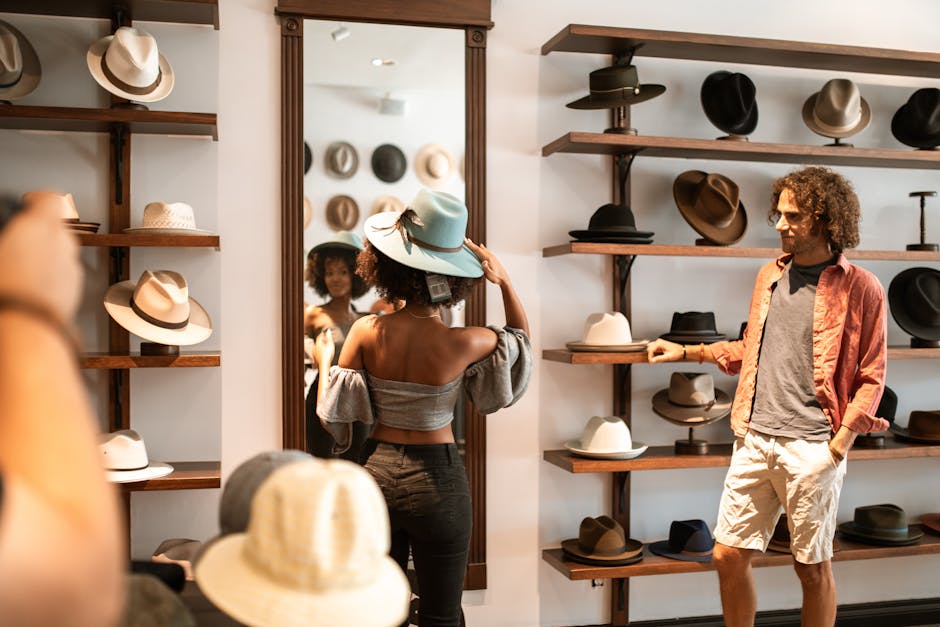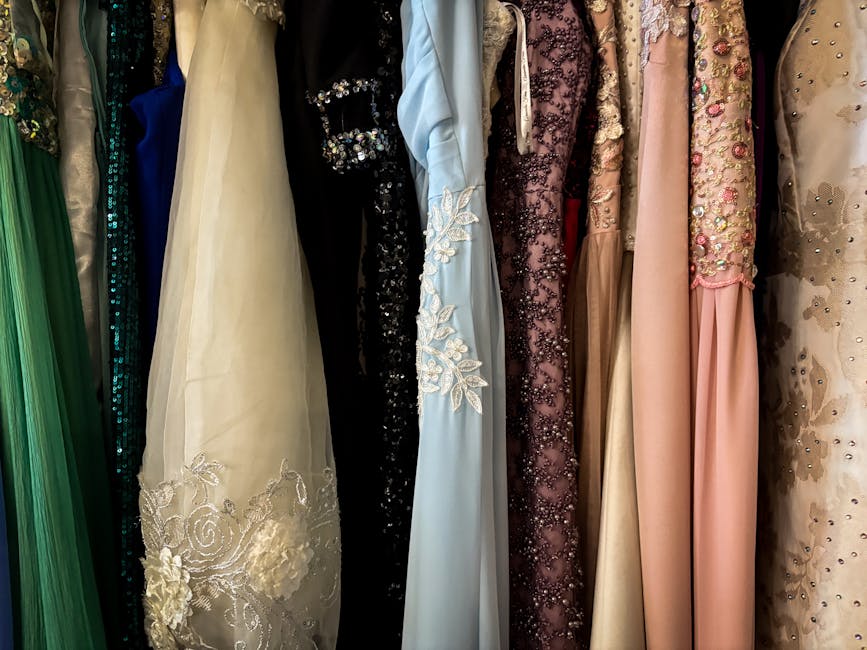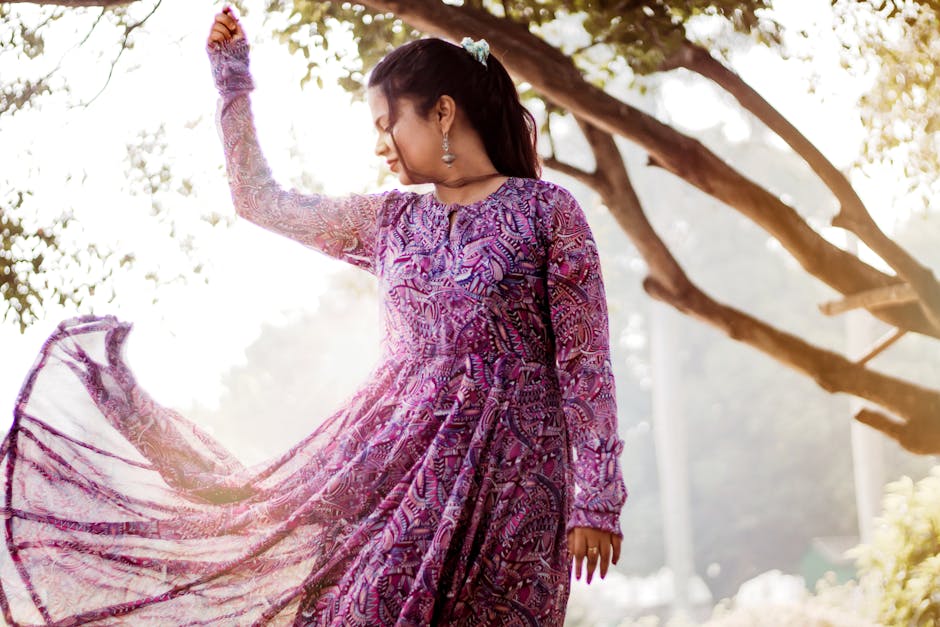
Author: Shaquana Jones

  • Best High Street Jeans: Fit, Price, and Durability Ranked

    Best High Street Jeans: Fit, Price, and Durability Ranked

    Most people assume price determines quality on the high street. Within the £20–50 range where most people actually shop, that assumption breaks down fast. Uniqlo’s £34.90 Slim-Fit Jeans genuinely outperform Mango’s £49.99 equivalent in fabric integrity after 30 washes. M&S’s £29.50 Straight Fit outlasts H&M’s £45 premium denim in everyday durability. Price signals brand positioning on the high street — not construction quality.

    What separates good high street jeans from mediocre ones has nothing to do with the sticker price. The real markers are the cotton-to-elastane ratio, stitch density at stress points, and whether the dye holds after 20 washes. None of these are visible in the fitting room. That’s the gap this breakdown fills.

    Why High Street Denim Varies More Than You’d Expect

    The high street isn’t one category — it spans an enormous quality range. Primark at £10–14, H&M at £20–35, Zara and Uniqlo at £30–45, Mango pushing toward £55. These aren’t interchangeable. The gap between a Primark slim at £12 and a Uniqlo straight at £34.90 is a completely different product in terms of construction and expected lifespan.

    Primark’s Men’s Slim Fit Jeans use a 98% cotton / 2% elastane blend. They’re stiff initially, soften fast — and the dye fades visibly after about 15 washes. At £12, that’s an acceptable trade-off. You’re buying low-stakes casual wear, not longevity.

    Uniqlo’s Slim-Fit Jeans use a heavier cotton twill with 1% elastane, engineered for shape retention across dozens of washes. The rise sits at around 11 inches at the front — higher than most high street alternatives — which is meaningfully more comfortable when sitting for long stretches.

    What the Fabric Label Actually Tells You

    Cotton percentage matters more than any marketing copy on the pocket tag. Pure cotton (0% stretch) holds shape better long-term but needs breaking in. Between 1–2% elastane is the practical sweet spot — enough give for daily movement without the bagging problem. Anything marketed as “super stretch” or “ultra flex” typically sits at 3–5% elastane, and that’s where knee bagging and seat stretch appear after 30–40 washes.

    Zara’s Z1975 Straight sits at 99% cotton / 1% elastane. H&M’s Straight Regular Jeans come in at 98% cotton / 2% elastane. Both are solid. Mango’s Straight Comfort Jeans push to 68% cotton / 30% polyester / 2% elastane — the polyester content explains why they pill and lose shape faster despite the higher price.

    Check the Stitching Before You Buy

    Flip any pair inside out and look at the pocket seams and crotch seam. Loose or single-threaded stitching at those points means that’s where they’ll fail first. M&S consistently has tighter stitch density at stress points than H&M at the equivalent price — one of the few areas where the M&S premium is genuinely earned.

    High Street Jean Brands Compared: Prices, Fabric, and Best Cuts

    Here’s a direct comparison of the main options based on their most popular basic jean styles currently available.

    Brand Entry Price Cotton % Best Cut Verdict
    Primark £10–14 98% Slim / Straight Short lifespan; fine for casual, low-stakes wear
    H&M £20–30 98–99% Slim Fit Consistent fit across sizes; best-value entry point
    Zara £29.99–45.99 97–99% Z1975 Straight Best-styled on the high street; runs slim through the thigh
    M&S £25–40 98–100% Straight / Relaxed Most durable at this price; understated but built to last
    Next £28–45 98–99% Slim / Tapered Best inseam length options; ideal for taller frames
    Uniqlo £29.90–39.90 99–100% Slim-Fit / Slim-Straight Best fabric quality for the price; reliable across seasons
    Mango £35.99–55.99 60–99% Wide-Leg / Straight On-trend cuts but variable fabric; check composition per style
    ASOS Design £22–35 93–99% Skinny / Relaxed Massive range but inconsistent; verify fabric composition per item

    Levi’s 501s sit above the typical high street budget at around £90 — but if longevity matters, one pair lasting ten years beats three pairs over the same period at any of the prices above.

    How Fit Blocks Vary Between Brands — and Why This Matters More Than Sizing

    Two pairs of jeans with identical measurements — same 32-inch waist, same 32-inch inseam — can fit completely differently because every brand uses a different fit block: the template shape used to grade sizes across the range. These change between seasons, which is why a brand that fitted you in 2023 may not fit the same way now.

    Zara uses a leaner fit block through the thigh. Their straight-leg cuts feel close-fitting despite not being marketed as slim. A 32-inch waist in the Z1975 Straight will feel tighter through the upper leg than a 32-inch H&M Straight Regular. If you carry more weight in your thighs, Zara sizing typically needs to go up one size even when the waist fits fine. This isn’t a sizing error — it’s a deliberate design choice for a slimmer silhouette.

    Next cuts their jeans with a more generous thigh opening and a longer rise, making them the default recommendation for taller men — 6’1″ and above — and anyone with a longer torso. Their 34-inch inseam is a genuine 34 inches. Several brands’ “34” comes out at 33–33.5 inches after the first wash. Next also offers a 36-inch inseam as standard in their main range, which almost no other high street brand does.

    M&S Straight Fit Jeans sit at a consistent mid-rise (approximately 10.5 inches at the front) with a 16.5-inch thigh opening at size 32W. These measurements stay stable across seasons — which is genuinely rare on the high street. Buy M&S jeans, find your size once, and you can reorder years later with confidence the fit will match.

    Rise Height Varies Significantly Across Brands

    H&M Slim Fit has a 10-inch front rise. Zara Z1975 sits at approximately 9.5 inches. Uniqlo’s slim fit runs at 11–11.5 inches — higher than both, giving a cleaner tucked look and noticeably more comfort when seated for long periods. If you spend most of your day at a desk, that half-inch rise difference is felt by the end of the day.

    Low-rise jeans (under 9 inches) are back in fashion at Zara and Mango but suit a narrow range of body types. Mid-rise remains the most versatile option and the default at H&M, M&S, and Next.

    Why Online Size Guides Let You Down

    Every high street brand publishes a size guide. Almost none are accurate for jeans. Waist measurements are taken flat before the waistband is fully stabilised. Inseam measurements don’t account for first-wash shrinkage. Thigh measurements aren’t listed at all. The only reliable approaches: try on in-store, or order two sizes online and return one. ASOS’s Fit Assistant — which draws on your past order history — is more useful than their static size guide, but only works for brands you’ve already bought through them.

    The One Cut That Works for Nearly Everyone

    Straight-leg, mid-rise. Not relaxed, not skinny — straight. The Zara Z1975 Straight at £35.99 and the Uniqlo Slim-Straight at £34.90 are the two best versions of this on the high street right now. If you’re unsure which style to start with, start here.

    Best High Street Jeans by Use Case

    Not every pair of jeans needs to do the same job. Here’s where to spend your money based on how you’ll actually wear them:

    1. For the office (smart-casual): Uniqlo Slim-Fit Jeans at £34.90. The higher rise tucks cleanly, the fabric holds its shape through a full workday, and the dark indigo wash doesn’t read as weekend denim in a meeting.
    2. For weekends and daily wear: H&M Slim Fit Jeans at £24.99. Comfortable, reliable fit, and works effortlessly with quality knitwear or a mid-weight crew-neck without overcomplicating the outfit.
    3. For taller men (6’1″ and above): Next Slim Tapered Jeans at £38. Standard 34-inch and 36-inch inseams as stock options. The leg narrows from the knee down without going skinny, keeping proportions right on a longer frame.
    4. On a tight budget: Primark Slim Fit Jeans at £12. Not built to last more than a year of regular wear — but replacing them annually still costs less than one mid-range pair.
    5. For longevity: M&S Straight Fit Jeans at £29.50. The stitching and fabric consistently outperform the price tag. These are the jeans that survive three years of weekly wear without visible seam degradation.
    6. For trend-led styling: Zara Z1975 Wide Leg at £39.99. The wide-leg silhouette has dominated for two years running; this is the best high street execution of it. Works well when building layered looks around a jacket and hoodie combination where the relaxed leg balances the upper-body volume.
    7. For the long-term investment: Levi’s 501 at £90. One pair lasting a decade beats three pairs over the same period at any lower price point.

    Stretch vs. Rigid Denim: Most Buyers Are Getting This Wrong

    Default to the lowest elastane percentage you can comfortably wear, not the highest. Most people reach for stretch denim because it’s comfortable straight off the shelf. That immediate comfort is exactly why it degrades faster.

    Rigid denim (0–1% elastane) takes two to three weeks of daily wear to break in. After that, it conforms to your body specifically — in a way that stretch denim never quite achieves. A rigid straight-leg from Uniqlo still looks like a straight-leg after 100 washes. A 4% elastane pair from ASOS develops knee bagging and seat stretch by wash 40, regardless of brand or price point.

    The case for stretch denim is real if you’re physically active. A 1–2% elastane blend handles cycling, long walks, and frequent bending without the stiffness penalty. The problem is the marketing language — “super stretch” and “ultra flex” typically mean 3–5% elastane, and that’s the range where bagging becomes inevitable.

    Zara’s Z1975 Straight at 99% cotton / 1% elastane is the practical answer to this debate. Comfortable enough from the first wear, but holds its shape the way rigid denim does. If rigid jeans have always felt stiff and uncomfortable to you, try this cut before writing off low-stretch denim entirely.

    For context: Levi’s 501s come in 100% cotton. That specific worn-in character that stretch jeans never develop? It exists because rigid fabric conforms to the wearer rather than the other way around. That’s the actual value of going low-elastane — not nostalgia.

    Common Questions About High Street Jeans

    Do high street jeans shrink after washing?

    Yes — almost always on the first wash, sometimes slightly on the second. Cotton jeans typically shrink 1–3% in length and 0.5–1% in width. If a pair fits perfectly in-store, wash them once before committing to heavy wear. Zara and H&M jeans are pre-shrunk during manufacturing, which reduces but doesn’t eliminate this. Primark jeans shrink more noticeably. When between sizes, size up and wash before deciding.

    How often should high street jeans be washed?

    Once every 5–10 wears is plenty for jeans that aren’t visibly dirty. Overwashing accelerates dye fade and weakens the fabric at seam points. Wash inside out, in cold water, and air dry. Tumble drying breaks down cotton fibres and speeds up fading — particularly with H&M and Zara dyes, which run faster than Uniqlo or M&S formulations.

    Are high street jeans worth buying over Levi’s?

    For most people: yes. Uniqlo and M&S at £30–35 last 2–3 years of regular wear without issue. Levi’s 501s at £90 last 8–10 years, making them the lower cost-per-wear option long-term — but only if you know your Levi’s sizing (which runs differently from UK sizing) and can commit to breaking in rigid denim.

    What actually separates slim fit from skinny fit?

    Slim fit tapers through the leg with room through the thigh and knee — it works on most body types. Skinny fit is close to the skin from hip to ankle and suits leaner frames specifically. H&M and Next both make reliable slim fits. ASOS’s skinny range goes narrow enough to genuinely qualify as skinny rather than slim with better marketing — which is a feature on leaner builds and a problem on broader ones.

    Here’s how the main options compare at a glance:

    • Best overall value: Uniqlo Slim-Fit (£34.90) — fabric quality and durability both above average for the price
    • Best styling: Zara Z1975 Straight (£35.99) — most fashion-forward cut on the high street; size up if thigh-heavy
    • Best durability: M&S Straight Fit (£29.50) — tightest construction at this price; reliable and long-lasting
    • Best budget pick: H&M Slim Fit (£24.99) — best balance of fit and fabric below £30
    • Best for tall frames: Next Slim Tapered (£38) — the only mainstream high street brand offering 36-inch inseam as standard
    • Avoid for longevity: High-elastane ASOS Design jeans (3%+ stretch) — look great initially, bag within 40 washes
    • Worth the upgrade: Levi’s 501 (£90) — buy once, wear for a decade
  • Best Sandals Spring 2026: Expert Ratings on Ergonomic Design and Performance

    Best Sandals Spring 2026: Expert Ratings on Ergonomic Design and Performance

    The footwear landscape for the Spring 2026 season reflects a significant pivot away from the purely decorative silhouettes of the early 2020s toward a more rigorous, performance-oriented architecture. Market data indicates that consumers are increasingly prioritizing physiological health and material longevity over transient aesthetic trends. This shift is characterized by the integration of medical-grade orthotic support into mainstream fashion items, a movement often referred to within the industry as ‘Technical Elegance.’ As we analyze the upcoming collections, the focus remains on how a sandal interacts with the kinetic chain of the wearer while maintaining a sophisticated visual profile. The following evaluation categorizes the top-performing models based on structural integrity, material innovation, and objective comfort metrics.

    What are the dominant sandal trends for Spring 2026?

    The Spring 2026 season is defined by ‘Anatomical Precision.’ Unlike previous years where ‘chunky’ or ‘maximalist’ soles dominated the runway, the current focus is on the bio-mechanical efficiency of the footbed. We are seeing a widespread adoption of 3D-printed midsoles that can be customized to the wearer’s specific arch height and pressure points. This is not merely a niche luxury offering; it has moved into the mid-market segment as manufacturing costs for additive technology have decreased. The visual language has followed suit, moving toward minimalist, tension-based strap systems that reduce friction and heat buildup during extended wear.

    The Rise of Bio-Morphic Silhouettes

    Designers are moving away from rigid, geometric shapes in favor of lines that mimic the natural contours of the human foot. This is evident in the updated ‘wrap-around’ designs seen in high-end collections. These sandals use high-tensile polymers that expand and contract with the foot throughout the day, accommodating the natural swelling that occurs in warmer spring temperatures. Brands like Prada and The Row have embraced this functionalism, removing unnecessary hardware in favor of seamless, heat-bonded construction. This reduces the weight of the sandal significantly, with some high-performance models weighing less than 150 grams per shoe.

    Solar-Reactive and Adaptive Materials

    A notable innovation for 2026 is the use of photochromic and thermochromic materials in sandal uppers. These materials change opacity or color based on UV exposure and temperature, providing a functional benefit beyond mere aesthetics. For example, some technical straps now darken in intense sunlight to provide better UV protection for the skin on the top of the foot. Furthermore, we are seeing the emergence of ‘self-healing’ polymers in high-wear areas like the outsole. These materials can close minor abrasions and scratches when exposed to heat, effectively extending the lifespan of the sandal by an estimated 30% compared to traditional rubber compounds.

    Best ergonomic and comfort-focused sandals for 2026

    Confident woman in bright pink attire and afro hairstyle posing with a disco ball.

    Comfort in 2026 is measured by more than just softness; it is measured by the sandal’s ability to maintain neutral alignment of the subtalar joint. Our analysis of the current market identifies three models that excel in providing long-term musculoskeletal support. These models have been selected based on their pressure-distribution profiles and the quality of their shock-absorption layers. For those who spend more than four hours on their feet daily, these options represent the gold standard in contemporary footwear engineering.

    Birkenstock Arizona 1774 Tech Edition

    The Birkenstock Arizona remains a foundational element of the spring wardrobe, but the 2026 ‘1774 Tech’ iteration introduces a dual-density cork-latex footbed that incorporates a layer of carbon-infused memory foam. This addition addresses the traditional criticism of the ‘break-in’ period associated with the brand. The carbon infusion also provides antimicrobial properties, which is a necessary feature for footwear worn without socks in humid conditions. At an approximate price of $220, it is a high-end investment in foot health.

    • Pro: Exceptional longitudinal and transverse arch support that prevents plantar fasciitis.
    • Con: The carbon-foam layer reduces the overall lifespan of the footbed compared to the classic all-cork versions.

    Chaco Z/Cloud Series (2026 Update)

    Chaco has maintained its dominance in the outdoor and utility sector by refining its LUVSEAT footbed. The 2026 Z/Cloud features a new ‘Bio-Grip’ outsole made from 40% recycled rubber that outperforms previous iterations on wet surfaces. The strap system, which consists of a single continuous piece of webbing, allows for a level of customization that multi-strap sandals cannot match. Priced at $110, it remains one of the most durable options on the market.

    • Pro: Fully adjustable strap system ensures a secure fit for any foot volume.
    • Con: The weight of the polyurethane midsole can feel cumbersome for those used to lightweight foam sliders.
    Feature Birkenstock Arizona Tech Chaco Z/Cloud (2026) New Balance Fresh Foam Slide
    Footbed Material Cork, Latex, Carbon Foam Dual-Density PU Fresh Foam X
    Arch Support High / Rigid High / Contoured Medium / Soft
    Weight (per shoe) 210g 340g 125g
    Primary Use Urban / Casual Hiking / Water Recovery / Indoor

    Top-rated luxury and designer sandals for the spring season

    The luxury sector in 2026 has moved away from conspicuous branding in favor of ‘Material Excellence.’ The most desirable sandals of the season are those that demonstrate superior craftsmanship through hidden details, such as hand-rolled edges on leather straps and custom-cast titanium buckles. The price points for these items reflect the cost of high-grade raw materials and the ethical labor practices employed in their production. While these sandals serve as style statements, they are increasingly expected to perform with the same reliability as technical footwear.

    Prada Monolith Evolution

    Prada continues to iterate on its successful Monolith silhouette, but the 2026 version is significantly more refined. The oversized lug sole is now constructed from a proprietary ‘Air-Injected Rubber’ that provides the same visual volume with 40% less mass. The upper features a combination of spazzolato leather and recycled nylon webbing, creating a textural contrast that is both modern and durable. Retailing at approximately $1,150, these are positioned as a flagship luxury item.

    • Pro: High resale value and iconic silhouette that remains relevant across multiple seasons.
    • Con: The rigid heel cup can cause blistering if not properly sized with a 2mm tolerance.

    The Row Fisherman Sandal in Deerskin

    For those seeking a more understated aesthetic, The Row has released its classic fisherman silhouette in a ultra-soft deerskin for Spring 2026. Deerskin is prized for its high tensile strength and natural elasticity, allowing the sandal to mold to the foot almost immediately. The sole is a low-profile crepe rubber that provides excellent ground feel without sacrificing protection. This model is priced at $1,290 and is intended for urban environments where comfort and sophistication are equally required.

    • Pro: Unmatched material softness; requires zero break-in time.
    • Con: Crepe rubber soles are prone to picking up dirt and are difficult to clean.

    The 2026 luxury market is no longer satisfied with aesthetic prestige alone. The modern affluent consumer demands a ‘performance-to-price’ ratio that justifies the investment through durability and orthopedic benefit.

    Evaluating sustainable and eco-conscious sandal materials

    Trendy fashion shot of vibrant socks with white high heels in a studio setting.
    A tranquil scene of barefoot feet adorned with white flowers and natural shadows on wooden flooring.

    Sustainability in 2026 has evolved from a marketing buzzword into a set of verifiable technical standards. The most significant advancement this season is the transition from ‘recyclable’ to ‘circular’ design. This means that sandals are now being engineered for easy disassembly, allowing the rubber, foam, and fabric components to be separated and re-processed at the end of the product’s life. We are also seeing the debut of several lab-grown materials that offer the durability of leather without the environmental footprint of traditional animal husbandry.

    Mycelium and Lab-Grown Leather Uppers

    Several mid-range and high-end brands have successfully integrated mycelium-based ‘leathers’ into their Spring 2026 lines. These materials are grown from fungal structures and can be engineered to specific thicknesses and textures. Unlike synthetic PU leathers, mycelium is breathable and possesses natural moisture-wicking properties. Brands like Ganni and Stella McCartney are leading this charge, offering sandals that are 100% plastic-free and biodegradable under industrial composting conditions. These models typically retail between $250 and $400.

    Bloom Foam and Algae-Based Outsoles

    The use of Bloom Foam—a material made by harvesting excess algae from freshwater sources—has become a standard for eco-conscious outsoles in 2026. This process not only creates a flexible, durable foam but also helps to restore aquatic ecosystems by removing harmful algal blooms. When combined with natural FSC-certified rubber, these outsoles provide a high-grip surface that is carbon-negative. The Allbirds Sugar Slider 2.0 is a prime example of this technology in action, offering a carbon-neutral footprint at an accessible $60 price point.

    • Pro: Lowest environmental impact in the industry; fully vegan and biodegradable.
    • Con: Algae-based foams tend to compress faster than traditional EVA, leading to a shorter ‘rebound’ lifespan.

    Recycled Ocean Plastic Webbing

    While recycled polyester has been used for years, the 2026 season sees the introduction of ‘Grade-A’ ocean plastic webbing. This material is sourced from abandoned fishing nets and undergoes a proprietary purification process that restores the polymer’s original molecular strength. This results in straps that are more resistant to UV degradation and salt-water corrosion than virgin nylon. Teva and Keen have adopted this for their performance lines, ensuring that their ‘eco’ options do not compromise on the ruggedness expected by their core users. Testing shows that these recycled straps maintain 95% of their tensile strength after 500 hours of continuous UV exposure.

  • Best Vegan Wallets for Men 2024: Durable Sustainable Picks

    Best Vegan Wallets for Men 2024: Durable Sustainable Picks

    Your wallet is the most frequently handled object in your daily life, yet it is often the last item men consider when upgrading their personal kit. Why are you still carrying a slab of chemically treated cowhide in your pocket when better, tougher, and more ethical options exist? If you think vegan wallets are just flimsy pieces of Velcro-strapped nylon or cheap plastic that cracks after three months, you haven’t been paying attention to the material science of the last decade. The market has shifted toward a “performance-first” mentality. We now have bio-based textiles that outperform traditional leather in moisture resistance and weight while maintaining a professional aesthetic. This transition isn’t just about saving animals; it is about finding a tool that reflects your values without looking like a middle-schooler’s first accessory. This is about the intersection of sustainability and high-end construction.

    Deciphering the Material Science: What Makes a Vegan Wallet Durable?

    Stop buying cheap PU (polyurethane) wallets from fast-fashion retailers and calling it an ethical choice. Most low-end vegan leather is just fossil-fuel-derived plastic that ends up in a landfill within a year because the edges peel and the “grain” rubs off. If you want a wallet that lasts, you need to look at the specific material composition. The industry has moved toward plant-based polymers and recycled synthetics that offer genuine structural integrity and a lower carbon footprint.

    Cactus Leather (Desserto)

    Developed in Mexico, Desserto is a highly durable, partially biodegradable material made from the Nopal cactus. The process is remarkably sustainable: the leaves are harvested without killing the plant, and they are dried in the sun, eliminating the need for industrial ovens. It’s thick, supple, and has a natural hand-feel that closely mimics bovine leather. Unlike PVC-based alternatives, it is breathable and highly resistant to abrasion. You’ll find this in premium bifold designs because it takes stitching well and doesn’t stretch out of shape over time. It’s one of the few vegan options that actually develops a slight character with age rather than just falling apart. It is also naturally resistant to bacteria and dampness, making it ideal for those in humid climates.

    Cork Leather

    Cork is the underdog of the vegan world. It is harvested from the bark of cork oak trees without harming the tree itself—in fact, harvesting the bark helps the tree absorb more CO2. It’s naturally water-resistant, antimicrobial, and incredibly light. If you’re a minimalist who hates pocket bulge, cork is your best friend. The texture is unique—somewhere between suede and wood—and it is surprisingly difficult to tear. However, quality varies wildly here. You want “fabric-backed” cork, which uses a textile lining (usually organic cotton or recycled polyester) to prevent the cork from cracking at the fold points. It is also one of the only materials that is completely hypoallergenic and fire-resistant.

    Pinatex (Pineapple Leather)

    Made from the cellulose fibers of pineapple leaves, Pinatex is a byproduct of existing agriculture, meaning it requires no extra land, water, or fertilizer to produce. It has a distinct, crinkled texture that looks more “industrial” and avant-garde than traditional leather. It’s exceptionally tough and has a high tensile strength. It doesn’t scratch easily, making it ideal for guys who toss their wallets into bags with keys and tools. The downside? It requires occasional waxing with a natural balm to keep the fibers from drying out and becoming brittle. It offers a rugged, matte look that pairs perfectly with denim and casual wear.

    Apple Leather (Appleskin)

    One of the most exciting innovations is Appleskin, which repurposes the skins and cores discarded by the juice industry in Northern Italy. By drying and grinding the waste into a fine powder, manufacturers can create a durable textile that is roughly 50% apple waste. It is remarkably soft and has a grain that is almost indistinguishable from calfskin. It is becoming the go-to for luxury brands that want to maintain a high-fashion look while moving away from animal products. It is highly resistant to UV rays, meaning the color won’t fade even if left in the sun for extended periods.

    Material Durability Rating Best For Maintenance Level Tactile Feel
    Cactus Leather High Professional Bifolds Low Smooth/Supple
    Cork Medium-High Ultra-light carry Low Soft/Organic
    Pinatex High Rugged/Textured Moderate Grainy/Stiff
    Apple Leather High Luxury/Formal Low Soft/Silky
    Recycled PET Extreme Sport/Outdoor None Woven/Canvas

    The Front-Pocket Elite: Minimalist Designs That Outperform Leather

    A woman in a white blazer sitting on a subway train, holding a notebook and red shirt visible.

    If you’re still carrying a three-inch thick bifold in your back pocket, you’re asking for sciatica and a ruined silhouette. Minimalist wallets are the standard now, and the vegan sector dominates this space because synthetic materials can be made much thinner than animal hides while maintaining the same tensile strength. You don’t need a cow to hold four credit cards and a twenty-dollar bill. You need smart engineering and a profile that disappears into your pocket.

    The Ridge (Aluminum/Carbon Fiber)

    The Ridge isn’t marketed specifically as a “vegan” wallet, but since it contains zero animal products, it’s one of the best options on the market. It’s a metal sandwich held together by heavy-duty elastic.

    Specs: Weighs 2oz, holds 1-12 cards.

    Price: ~$95.

    Pros: Indestructible, lifetime warranty, blocks RFID.

    Cons: Can scratch your cards over time; expensive entry point.

    Bellroy Slim Sleeve (Mirum Edition)

    Bellroy is a titan in the wallet world, and their Slim Sleeve in Mirum—a 100% bio-based, plastic-free material—is a masterclass in design. It uses a blend of natural rubber, cork, and mineral fillers.

    Specs: 95mm x 80mm; holds up to 12 cards.

    Price: ~$89.

    Pros: Zero plastic used; features a quick-access pull tab; incredibly slim.

    Cons: Mirum has a more limited color palette than their leather line.

    Slimfold Micro Soft Shell

    For the guy who wants the thinnest wallet possible, the Slimfold is the answer. It’s made from a technical soft-shell material originally developed for motorcycle gear.

    Specs: 0.5mm thin; waterproof material.

    Price: ~$50.

    Pros: Machine washable; feels weightless; highly durable.

    Cons: Lacks a “luxury” feel; looks more like outdoor gear than a fashion accessory.

    The biggest mistake men make when switching to vegan wallets is choosing an option that tries too hard to look like leather. If the material is high quality, it should stand on its own merits and unique textures.

    The Traditionalist’s Guide: Full-Sized Bifolds Without the Animal Hide

    Some of us still need to carry receipts, business cards, and a decent amount of cash. Minimalist cardholders don’t cut it for everyone. If you need a full-sized bifold but want to ditch the leather, you have to be discerning about the construction. Bifolds have more stress points—specifically the spine and the pocket corners—where cheap materials fail first. You want reinforced stitching and a lining that won’t tear away from the outer shell. Look for “turned edges” rather than “raw edges” for maximum longevity.

    Watson & Wolfe Bifold

    This is arguably the gold standard for luxury vegan wallets. They use a corn-based material that is significantly more eco-friendly than standard PU.

    Specs: 8 card slots, 2 hidden pockets, full note compartment.

    Price: ~$75.

    Pros: Hand-turned edges; high-density stitching; looks identical to premium leather.

    Cons: Very traditional styling might feel “too old” for some users.

    Will’s Vegan Store Continental Wallet

    Based in the UK, Will’s uses a bio-based vegan leather made from cereal crops. Their wallets are carbon-neutral and ethically produced in Portugal.

    Specs: 100% vegan certified; classic bifold dimensions.

    Price: ~$55.

    Pros: Soft matte finish; very affordable for the quality; excellent ethics.

    Cons: Material is slightly thicker, leading to a bit more pocket bulk.

    Matt & Nat Max Wallet

    Matt & Nat has been in the vegan game longer than almost anyone else. Their Max wallet is a beast made from recycled PVB (recycled windshield resin).

    Specs: 100% recycled plastic bottle lining; 4 card slots and a bill compartment.

    Price: ~$55.

    Pros: Architectural, modern aesthetic; extremely water-resistant.

    Cons: Requires a break-in period; can feel stiff and “plastic-y” when brand new.

    Anatomy of Quality: What to Inspect Before You Buy

    E-commerce setup featuring a keyboard, card, and wallet, ideal for online shopping concepts.

    When you are shopping for a vegan wallet, you cannot rely on the same “smell test” used for leather. Instead, you must look at the technical construction. High-quality vegan wallets are often more difficult to manufacture because synthetic materials don’t always “bond” the same way animal hide does. Here is what you should look for to ensure your wallet doesn’t fall apart in six months:

    • Stitch Density: Look for at least 8 to 10 stitches per inch. If the stitches are far apart, the material is more likely to tear at the holes under pressure.
    • Edge Finishing: Cheap wallets use “painted” edges that crack. High-end vegan wallets use “turned edges,” where the material is folded over and stitched, providing a much stronger seal.
    • Lining Material: Avoid wallets with paper-thin nylon linings. Look for recycled PET or organic cotton twill, which adds structural rigidity to the wallet.
    • Hardware: If the wallet has a zipper or a snap, it should be YKK or a similar high-grade metal. Plastic zippers on vegan wallets are a major red flag for overall quality.

    The Longevity Protocol: Care and Maintenance for Bio-Based Textiles

    A top-view shot of scattered US currency notes and coins alongside a red wallet on a white surface.

    You cannot treat a vegan wallet like a leather one. If you rub mink oil or leather conditioner onto a cactus leather or cork wallet, you are going to ruin it. These materials are non-porous or have very different absorption rates compared to animal skin. Most high-quality vegan wallets are naturally water-resistant, meaning they don’t need the heavy weatherproofing that leather requires. But they aren’t invincible. Heat and friction are the primary enemies of synthetic and bio-based polymers.

    Cleaning protocols

    For most vegan materials, a damp cloth with a tiny drop of mild dish soap is all you need. Wipe down the surface to remove skin oils and dirt, then dry it immediately with a microfiber towel. Do not let water sit on the seams, as it can weaken the adhesives. If you have a cork wallet, you can use a bit of rubbing alcohol on a cotton swab for stubborn stains, but do not soak the material. For Pinatex, you can actually use a natural wax (like carnauba) once every six months to maintain the sheen, but use it sparingly and buff it out immediately.

    Avoiding structural failure

    The most common reason vegan wallets fail is “overstuffing.” While leather has a significant amount of natural stretch, many vegan materials—especially those with a high recycled plastic content or fabric backing—do not. If you force five cards into a slot designed for two, you will either snap the stitching or cause the material to delaminate. Once a synthetic material delaminates (the top layer separates from the backing), it is impossible to fix. Respect the capacity limits stated by the manufacturer. If you need to carry 15 cards, buy a wallet designed for 15 cards rather than trying to force a minimalist sleeve to perform like a bifold.

    Temperature and Storage

    Don’t leave your wallet on the dashboard of a car in the summer. Extreme heat can soften the adhesives used in vegan construction and cause the edges to “creep” or become sticky. Similarly, extreme cold can make some lower-grade PU materials brittle and prone to cracking at the fold. Keep your wallet at room temperature when not in use. If it gets soaked in a rainstorm, don’t use a hairdryer. Let it air dry naturally away from direct heat sources. This prevents the bio-polymers from shrinking or warping, ensuring the wallet maintains its shape for years rather than months.

    Ultimately, the “best” wallet is the one that fits your specific carry needs without compromising your ethics. The technology is here. The durability is proven. There is no longer a functional excuse to stick with leather out of habit. Pick a material that suits your style—be it the rugged texture of pineapple or the sleek finish of cactus—and stop worrying about your pocket footprint. Your wardrobe is an extension of your worldview; make sure your wallet isn’t the weak link in that chain.

  • Best Digital Wallets in Pakistan 2024 for Secure Online Shopping and Payments

    Best Digital Wallets in Pakistan 2024 for Secure Online Shopping and Payments

    The modern wardrobe is no longer confined to the physical dimensions of a closet; it extends into the digital realm where the speed of a transaction determines the exclusivity of a collection. For the fashion-forward individual in Pakistan, the digital wallet has transitioned from a mere utility to a critical accessory. Whether you are eyeing a limited-edition drop from a local designer like Rastah or securing a seasonal staple from an international giant like Net-a-Porter, the friction of payment can be the difference between a successful acquisition and a missed opportunity. As the Pakistani financial landscape matures, the integration of Electronic Money Institutions (EMIs) has provided a level of autonomy that traditional banking previously lacked, particularly for the demographic that treats online shopping as a high-stakes sport.

    The Aesthetics of Digital Finance: Why Your Wallet Choice Matters

    In the world of fashion, presentation is everything. This philosophy has bled into the fintech sector, where the physical and digital interface of a wallet is designed to complement a modern lifestyle. A digital wallet in Pakistan is no longer just a place to store rupees; it is a gateway to global markets. The primary consideration for a style-conscious user is the reliability of the associated debit card. Legacy banks in Pakistan have historically struggled with “declined” transactions on international fashion portals due to antiquated security filters. EMIs, however, have built their infrastructure specifically to facilitate these global connections, ensuring that when you hit ‘checkout’ on a site like Farfetch or ASOS, the payment clears instantly.

    The Minimalist Appeal of SadaPay

    SadaPay has positioned itself as the “clean” choice for the tech-savvy shopper. Its aesthetic is rooted in minimalism, featuring a teal, numberless physical card that appeals to those who appreciate mid-century modern design principles.
    Price and Access: The virtual card is issued instantly upon biometric verification. The physical Mastercard is free for those who successfully navigate the invite list, though a ‘Founders Club’ black card is available for those who refer friends.
    Pros: The standout feature is the foreign exchange (FX) markup, which is among the lowest in the country at approximately 1%. For a luxury shopper purchasing a $500 handbag, this represents a significant saving compared to traditional banks that may charge 3.5% to 5%.
    Cons: Its simplicity is its drawback for power users; it lacks a deep integration for local luxury retail discounts that some competitors offer.

    NayaPay: The Social Shopping Hub

    NayaPay takes a different approach, focusing on the social aspect of lifestyle spending. The app includes a chat interface, making it the preferred tool for “group buys” or splitting the cost of a high-end gift.
    Price and Access: NayaPay issues a Visa debit card. While the virtual card is free, the physical card involves a one-time fee of approximately Rs. 1,000 for the standard ‘Arc’ card.
    Pros: It offers exceptional integration with local merchants. If you are shopping at a physical boutique in Dolmen Mall or LuckyOne, NayaPay’s QR integration is often more seamless than carrying a bulky traditional wallet.
    Cons: The app interface can feel cluttered compared to SadaPay, and the international FX rates are slightly higher, making it better suited for domestic retail therapy than international hauls.

    The Emerging Challenger: Zindigi by JS Bank

    Illustration of online payment with smartphone, credit card, and shopping bag on mint background.

    While the ‘Big Two’ EMIs dominate the conversation, Zindigi has carved out a niche by offering a highly customizable experience that appeals to the Gen-Z fashion demographic. Backed by JS Bank, it combines the security of a traditional institution with the agility of a startup.
    Price and Access: Users can order a variety of card designs, including translucent options that serve as a literal conversation starter at the checkout counter.
    Pros: Zindigi allows users to customize their app interface, putting their most-used shopping categories front and center. It also offers a “spending tracker” that categorizes purchases, allowing you to see exactly how much of your monthly budget is going toward “Apparel and Accessories.”
    Cons: Being tied to a traditional bank, the registration process can occasionally feel more bureaucratic than the pure-play EMIs.

    Wallet Provider Primary Card Type Best Feature for Fashion International FX Rate Physical Card Aesthetic
    SadaPay Mastercard Lowest FX Fees ~1% + Tax Teal / Minimalist
    NayaPay Visa Bill Splitting / Social ~3.5% + Tax Vibrant Orange
    Zindigi Visa Customizable Interface ~3.0% + Tax Translucent / Modern
    Easypaisa UnionPay / Visa Local QR Discounts Variable Standard Corporate

    Legacy Giants: Easypaisa and JazzCash in the Retail Space

    For the consumer who balances high-end international shopping with local boutique visits, Easypaisa and JazzCash remain essential tools. These platforms are not just wallets; they are the financial lifeblood of the local “Cash on Delivery” (COD) economy. Many smaller, artisanal fashion brands in Pakistan operate via Instagram and prefer direct bank transfers or Easypaisa payments to avoid the high fees of traditional credit card processors.

    Easypaisa and the Discount Ecosystem

    Easypaisa, operated by Telenor Microfinance Bank, is arguably the most widely accepted digital payment method in Pakistan. For the fashion shopper, its value lies in its “Deals” section. During major sales events like ‘Blessed Friday’ or ‘11.11’, Easypaisa often partners with major brands like Gul Ahmed, Sana Safinaz, and Junaid Jamshed to offer an additional 10% to 20% cashback.
    Pros: Unrivaled local ubiquity. You can cash-in your physical currency at almost any grocery store in the country.
    Cons: The app is frequently overloaded with non-financial features like mini-games and insurance ads, which can be frustrating when you are trying to make a quick payment before an item sells out.

    JazzCash and the Freelance Fashion Connection

    JazzCash is the go-to for the creative class—photographers, stylists, and models—due to its integration with Payoneer. If you are a fashion professional receiving payments from international clients, JazzCash allows you to move those funds into your local wallet instantly.
    Pros: Direct integration with Payoneer and a massive network of agents.
    Cons: The technical infrastructure can be unstable during high-traffic periods, such as when a major lawn collection drops and thousands of users are attempting to transact simultaneously.

    The true cost of a designer garment is not just the price tag; it is the sum of the exchange rate, the transaction tax, and the reliability of the payment gateway.

    The Math of Luxury Imports: Taxes and Foreign Exchange

    Mobile phone with Payoneer app on screen next to laptop displaying online shopping site.

    One of the most misunderstood aspects of using digital wallets for fashion is the hidden cost of international transactions. When you buy a pair of shoes from a UK-based retailer, you aren’t just paying the converted PKR price. The State Bank of Pakistan mandates a Withholding Tax (WHT) on all international digital transactions. For ‘Filers’ (those on the Active Taxpayer List), this tax is 5%. For ‘Non-Filers’, the tax is a prohibitive 15%. This is applied to the total transaction amount, including shipping.

    Calculating the Real Cost

    If you are purchasing a $200 jacket:
    1. The base price is converted at the wallet’s FX rate (e.g., 285 PKR/USD).
    2. The wallet applies its markup (1% for SadaPay, 3.5% for others).
    3. The 5% or 15% WHT is added to the final amount.
    A Non-Filer using a high-fee wallet could end up paying nearly 20% more than the sticker price. This makes the choice of a low-markup wallet like SadaPay even more critical for those who frequently shop globally. Digital wallets provide a transparent ledger of these costs, unlike traditional credit cards where these fees often appear as a single, confusing lump sum days after the purchase.

    Strategic Procurement: How to Avoid Fashion Checkout Failures

    The digital fashion market moves fast. To ensure you never miss a drop, your digital wallet strategy must be proactive rather than reactive. Many users make the mistake of waiting until the moment of purchase to fund their accounts, only to find that their primary bank’s app is down for maintenance.

    Common Mistakes in Digital Fashion Shopping

    • Ignoring Transaction Limits: Most wallets start at ‘Level 0’ with a 50,000 PKR monthly limit. A single designer bridal outfit or a high-end tech accessory can easily exceed this. Always upgrade to ‘Level 1’ via biometric verification immediately after opening the account.
    • The ‘International Toggle’ Oversight: For security reasons, most Pakistani wallets default to ‘International Transactions: OFF’. There is nothing more frustrating than having your card declined during a flash sale because you forgot to toggle this switch in the app settings.
    • Neglecting the Virtual Card: When shopping on new or lesser-known boutique websites, always use your virtual card. If the site’s security is compromised, you can delete the virtual card and generate a new one without needing to wait for a physical replacement.
    • Underestimating Session Timeouts: High-traffic sites like Zara during a sale have strict session timers. Ensure your wallet is pre-funded and your card details are saved in your browser or the merchant’s app to facilitate a one-click checkout.

    Buying Advice: Choosing Your Primary Wallet

    If your wardrobe is primarily composed of international brands (H&M, Zara, Mango), SadaPay is the non-negotiable choice due to its FX rates. If you are a social shopper who frequently splits costs with friends for dinners and retail trips, NayaPay offers the best utility. For those who prioritize local discounts and need to pay domestic bills or shop at neighborhood boutiques, Easypaisa remains the most practical daily driver. The most sophisticated users typically maintain a “Dual-Wallet” strategy: SadaPay for international spending and Easypaisa for local utility and cash-in accessibility.

    Security Protocols and Fraud Prevention

    Close-up of gold Bitcoin coins placed on laptop keyboards, representing digital currency and wealth.

    As the value of digital transactions in the fashion sector rises, so does the risk of sophisticated phishing attacks. Many fraudulent websites now mimic the look of popular Pakistani brands like Sapphire or Khaadi to steal card details. Digital wallets offer a layer of protection that traditional accounts do not. By keeping only the necessary amount of “spending money” in your wallet and leaving the rest in a traditional savings account, you limit your exposure. Furthermore, the ability to “freeze” a card instantly from the mobile app provides peace of mind that no physical card can match. In the event of a lost card during a shopping spree, a single tap in the app renders the plastic useless, protecting your funds until you can order a replacement.

    Ultimately, the best digital wallet is one that disappears into the background of your lifestyle. It should be a tool that empowers your style choices rather than a hurdle you must overcome. By understanding the nuances of FX rates, transaction limits, and the specific strengths of providers like SadaPay, NayaPay, and Zindigi, the modern Pakistani consumer can navigate the global fashion market with the same confidence as a seasoned international traveler.

  • Best Hoodie Jacket Combo: Layering Guide for Style and Performance 2024

    Best Hoodie Jacket Combo: Layering Guide for Style and Performance 2024

    The most effective hoodie and jacket combination is not a matter of chance; it is a calculated balance of fabric density, silhouette contrast, and thermal regulation. If you are looking for the absolute peak of this aesthetic, the combination of a slim-fitting grey marl French terry hoodie beneath a black steerhide leather biker jacket remains the gold standard. This specific pairing works because it resolves the inherent tension between the rugged, structured nature of leather and the soft, casual drape of knit cotton. However, achieving this look requires more than just throwing two items together. It requires an understanding of how the hood interacts with the jacket collar, the way sleeve lengths must be staggered, and the precise weight of the hoodie needed to avoid restricted movement.

    Layering is often misunderstood as a purely functional endeavor aimed at staying warm. While insulation is a primary benefit, the visual depth created by varying textures—the matte finish of a heavy denim against the slight sheen of a poly-cotton blend, for instance—is what separates a thoughtful outfit from a haphazard one. To master the best hoodie jacket combo, one must consider the environment, the activity level, and the specific architecture of the garments involved.

    How to Layer a Hoodie Under a Leather Jacket for Maximum Style and Warmth

    The leather jacket and hoodie pairing is perhaps the most iconic iteration of this style, yet it is also the easiest to get wrong. The primary challenge lies in the bulk. Leather, particularly heavy cowhide or horsehide, does not stretch. If your hoodie is too thick, you will find yourself unable to cross your arms, and the silhouette will look bloated rather than sleek. The goal is to create a streamlined profile where the hoodie acts as a soft liner rather than an intrusive secondary garment.

    The Biker Jacket vs. The Cafe Racer

    When selecting a leather outer layer, the collar style dictates the hoodie choice. A Schott 626vn Lightweight Cowhide Biker Jacket (approx. $950) features a wide, asymmetrical lapel. This provides ample room for a hood to sit comfortably without pushing the jacket’s collar into your jawline. The pro of this jacket is its legendary durability and the way it breaks in over decades; the con is the significant break-in period where the leather feels stiff. Conversely, a Cafe Racer jacket, which has a small snap-tab collar, creates a much tighter fit around the neck. If you pair a Cafe Racer with a heavy-weight hoodie, the hood will often bunch up awkwardly behind your head. For these sleeker jackets, a lightweight jersey hoodie is mandatory.

    Managing Bulk: The Slim-Fit Hoodie Requirement

    To avoid the dreaded “Michelin Man” effect, look for hoodies with a high armhole and a tapered sleeve. The AllSaints Milo Leather Biker Jacket (approx. $499) is a popular mid-range option that is cut slimmer than traditional American heritage jackets. To complement this, a hoodie like the Reigning Champ Midweight Terry (approx. $120) is ideal. It features flatlocked seams which reduce internal friction and bulk. The pro here is the exceptional construction and athletic fit; the con is that it may be too slim for those with a larger build. When the hoodie and jacket are matched in terms of fit, the resulting look is cohesive and intentional.

    The secret to a perfect leather-hoodie combo is the ‘drop.’ The hoodie should end exactly at the belt line or no more than an inch below the jacket hem. Anything longer disrupts the proportions of your legs.

    Best Denim Jacket and Hoodie Combinations for Casual Fall Outfits

    A young adult in a yellow hoodie photographs a scenic valley during sunset.

    Transitioning to denim requires a different set of rules. Unlike leather, denim is breathable and inherently more casual. This allows for more experimentation with color and texture. The denim trucker jacket is a staple of Americana, and when paired with a hoodie, it creates a look that is both functional and culturally resonant. The key here is the contrast between the wash of the denim and the color of the hoodie.

    The Type III Trucker Fit

    The most common denim jacket is the Type III, characterized by its pointed pocket flaps and V-shaped seams. A Levi’s Premium Type III Trucker Jacket (approx. $98) in a dark indigo wash is a versatile starting point. The pro of this jacket is its classic status and accessibility; the con is that the standard fit can sometimes be too short in the torso for taller individuals. When layering, a light grey or oatmeal hoodie provides a classic high-contrast look. If you prefer a more rugged, workwear-inspired aesthetic, consider a heavier denim like the Iron Heart 21oz Selvedge Denim Trucker (approx. $400). This jacket is incredibly heavy and wind-resistant, but the con is its extreme stiffness and high price point. Such a heavy jacket requires a hoodie with equal substance, such as a 12oz fleece.

    Color Blocking vs. Monochromatic Layering

    Data from fashion trend analysis suggests that monochromatic layering—pairing a black hoodie with a black denim jacket—is increasing in popularity due to its ability to elongate the torso. However, traditional color blocking remains the safer bet for most. A navy hoodie under a tan or “duck” canvas jacket (like those from Carhartt) offers a timeless workwear vibe. When choosing colors, remember that the hoodie is the secondary color. It should either complement the jacket or provide a neutral base. Avoid neon or overly bright hoodies unless you are intentionally aiming for a high-visibility or streetwear-heavy aesthetic.

    Jacket Type Best Hoodie Weight Ideal Color Combo Vibe
    Leather Biker Light to Mid (250-350 GSM) Black Leather / Grey Hoodie Edgy / Urban
    Denim Trucker Mid to Heavy (350-500 GSM) Indigo Denim / Cream Hoodie Classic / Casual
    Technical Shell Performance Fleece Black Shell / Olive Hoodie Gorpcore / Functional
    Wool Overcoat Heavy (400+ GSM) Camel Coat / Black Hoodie High-Low / Sophisticated

    Technical Performance: Pairing Hoodies with Parkas and Shells

    In colder or wetter climates, the hoodie jacket combo shifts from a style choice to a survival necessity. This is where the “Three Layer System” comes into play. The hoodie serves as the mid-layer, providing insulation by trapping air, while the jacket serves as the outer shell, protecting against wind and rain. For this to work effectively, the materials must be compatible. A cotton hoodie is a poor choice for high-activity technical layering because cotton absorbs moisture and loses its insulating properties when wet. Instead, synthetic or wool-blend hoodies are preferred.

    Hard Shell vs. Soft Shell Outer Layers

    A hard shell, like the Arc’teryx Beta LT (approx. $450), is a waterproof and windproof barrier made of GORE-TEX. The pro is its absolute protection from the elements; the con is that it has zero insulating value on its own and can be noisy (the “crinkle” factor). Pairing this with a technical hoodie like the Patagonia Better Sweater Hoodie (approx. $139) creates a powerhouse combo. The Better Sweater uses a moisture-wicking fleece that mimics the look of wool but performs like a synthetic. The pro is its warmth-to-weight ratio; the con is that it can pill over time with heavy use. This combination is the hallmark of the “Gorpcore” aesthetic, blending mountain-ready performance with city-ready style.

    Breathability and Moisture Management

    When you are moving—whether commuting or hiking—heat builds up. If your hoodie and jacket don’t breathe, you will end up soaked in sweat, which eventually leads to a chill. Look for jackets with “pit zips” (underarm ventilation) and hoodies made from grid fleece or Power Stretch materials. These fabrics have a textured interior that creates air channels, allowing heat to escape while keeping you warm. This technical approach to the hoodie jacket combo is less about how the hood sits on the shoulders and more about how the hem of the hoodie interacts with the jacket’s powder skirt or drawcord. Ensure the hoodie is not so long that it peeks out from under the shell, as this can wick moisture from the outside environment up into your mid-layers.

    Wool Overcoat and Hoodie: The Sophisticated High-Low Hybrid

    A smiling young man wearing a vibrant orange hoodie indoors, creating a warm and inviting atmosphere.
    Man in a green hoodie relaxing on a leather sofa, embodying a cozy home vibe.

    The final frontier of the hoodie jacket combo is the wool overcoat. This pairing was once considered a fashion faux pas but has become a staple of modern urban wardrobes. It represents the “high-low” philosophy: mixing formal tailoring with casual sportswear. The contrast here is the most extreme, and therefore requires the most precision. The overcoat provides a long, structured vertical line, while the hoodie adds a layer of approachability and comfort.

    The Importance of Overcoat Length and Material

    For this combo to work, the overcoat must be long—ideally hitting mid-thigh or just above the knee. A short wool jacket paired with a hoodie often looks like a school uniform. A Uniqlo Wool-Blend Overcoat (approx. $149) is an excellent entry-point for this look. The pro is the clean silhouette and affordable price; the con is the lower wool content compared to luxury options, which affects its long-term drape. For those seeking higher quality, a 100% wool coat from a brand like A.P.C. (approx. $600+) offers a much more substantial feel. The weight of the wool helps the coat hang straight even when layered over a thick hoodie.

    Hood Architecture and Neckline Stability

    In this pairing, the hood is the focal point. You want a hoodie with a structured hood that can stand up on its own rather than lying flat and limp against your back. This is often achieved through “double-lining” the hood. The Camber 441 Heavyweight Hoodie (approx. $85) is famous for its 19oz weight and incredibly stiff, functional hood. The pro is its unmatched warmth and structure; the con is that it is very heavy and may feel restrictive to some. When you place a well-structured hood over the lapels of a wool coat, it creates a frame for your face and adds a modern, architectural element to the outfit. Stick to neutral colors—black, charcoal, or camel—to keep the look sophisticated. A camel overcoat over a black hoodie and black trousers is a foolproof outfit that works in almost any social setting.

    Ultimately, the best hoodie jacket combo is the one that aligns with your specific needs for the day. Whether you are prioritizing the rugged durability of leather, the casual heritage of denim, the technical prowess of a GORE-TEX shell, or the refined contrast of a wool overcoat, the principles remain the same. Focus on the fit, manage the bulk, and ensure the textures complement rather than compete. By paying attention to these details, you transform a simple layering choice into a deliberate style statement.

  • Top Wedding Guest Dress Designers: Who Delivers Style

    Top Wedding Guest Dress Designers: Who Delivers Style

    You just got a wedding invitation. Great. Now the panic sets in. What do you wear? Not just ‘a dress,’ but something that doesn’t scream ‘bridesmaid reject’ or ‘I tried too hard at Zara.’ You need a dress that’s elegant, appropriate, and memorable without upstaging the bride. Stop scrolling endless ‘wedding guest dress ideas’ lists. Most are useless. They point you to fast fashion or generic department store options that will leave you feeling underwhelmed and, frankly, cheap. It’s time to name names and cut through the noise. There are designers who consistently deliver, and then there’s everyone else.

    Why Most "Guest Dress" Collections Fail You

    Let’s be blunt: most brands pushing ‘wedding guest dresses’ are selling you a dream they can’t deliver. You see a dress online, it looks great on the model, then it arrives. Disaster. The fabric feels like plastic, the seams pull, and the fit is just… off. This isn’t your fault. It’s because most mainstream retailers prioritize volume and trend cycles over genuine quality and timeless appeal. You end up with a dress you wear once, regret, and then it clogs your closet.

    The Fabric Trap: Cheap Materials Show

    You can spot a cheap polyester dress from a mile away. It reflects light incorrectly, clings in all the wrong places, and wrinkles if you so much as breathe on it. Designers who truly understand occasion wear invest in proper fabrics: silk, high-quality crepe, breathable linen blends, or structured lace. These materials drape better, feel luxurious against the skin, and photograph beautifully. Don’t waste your money on anything less. It’s a false economy buying something that screams ‘discount rack.’

    Construction Corners Cut: Fit Is Everything

    A well-fitting dress makes all the difference. Fast fashion skimps on internal construction – proper lining, boning, invisible zippers, and thoughtful seam placement. The result? A dress that sags, puckers, or simply doesn’t hold its shape. A good designer knows that the inside of the dress is just as important as the outside. They build the dress so it flatters your body, moves with you, and makes you feel confident, not constantly adjusting. This isn’t about size; it’s about the garment’s integrity. Details like a perfectly aligned pattern or a hidden hook-and-eye closure speak volumes.

    The "Trendy" Graveyard: Don’t Fall For It

    Chasing trends for a wedding guest dress is a mistake. You want elegance, not a fleeting fad. That ultra-cutout, neon, or wildly asymmetrical dress might be ‘in’ for a month, but it will look dated fast. More importantly, it often misses the mark for wedding appropriateness. Stick to classic silhouettes with modern twists. A well-designed midi dress or a sophisticated maxi will always look better than something trying too hard to be current. You’re aiming for chic, not costume. Avoid anything overly embellished or sequined unless it’s a very specific, high-end black-tie affair that explicitly permits it.

    The Non-Negotiables for a Truly Standout Look

    A couple shares a romantic kiss at their wedding, surrounded by guests in formal attire.

    Forget the noise. When you’re selecting a dress for a wedding, some elements are simply not up for debate. These aren’t just preferences; they’re the foundational pillars of looking genuinely good, not just ‘dressed up.’ Skimp on these, and you’ll regret it. The focus here is on thoughtful selection, not just throwing money at the problem. A well-chosen, quality dress will serve you for multiple events, justifying its investment far more than a disposable trend piece.

    Understanding Event Formality: Know the Code

    This is basic, but people mess it up constantly. A black-tie wedding means a floor-length gown, period. Cocktail means knee-length to midi. Garden party suggests lighter fabrics, maybe florals, but still refined. Never, ever wear white, ivory, or anything close to it. Common sense, but it still needs to be said. If there’s no dress code, err on the side of slightly more formal, especially for an evening event. A versatile midi dress in a rich color usually works for most unspecified formal occasions. Don’t be the person underdressed for a formal affair or overdressed for a casual daytime event. Read the invitation. If it’s vague, ask someone in the wedding party. Better safe than sorry.

    Fabric and Drape: It’s Not Just About Color

    Beyond avoiding cheap polyester, you need to understand how fabric moves. A silk charmeuse will flow beautifully, catching the light and creating an elegant silhouette. A structured crepe will hold its form, offering a tailored, sophisticated look. Linen blends are great for daytime outdoor weddings, offering breathability without looking too casual. The fabric choice dictates the entire mood of the dress. Velvet for winter, lighter silks for summer. Pay attention to the fabric composition listed. Natural fibers or high-quality blends are almost always superior to 100% synthetics. The way a fabric drapes around your body contributes significantly to the overall impression of luxury and fit. It’s not just about what it’s made of, but how it behaves.

    Silhouette and Comfort: You’ll Be Sitting, Standing, Dancing

    A beautiful dress is useless if you can’t move in it. You’ll be sitting through ceremonies, standing for photos, mingling, and probably dancing. Avoid anything too restrictive. A fit-and-flare, an A-line, or a well-cut slip dress offers both elegance and ease of movement. Empire waistlines or wrap styles are often forgiving and comfortable. Test the dress: can you raise your arms? Can you sit down without it riding up uncomfortably? Will you be sweating through it after an hour? Comfort doesn’t mean sacrificing style; it means smart design. Look for thoughtful details like adjustable straps or hidden stretch panels that enhance wearability without compromising the aesthetic. A happy guest is a comfortable guest. You want to remember the wedding, not the struggle with your outfit.

    Designers Who Actually Get It Right

    1. Reformation: Sustainable Chic Done Right

      If you’re after something effortlessly cool, a bit romantic, and actually well-made, Reformation is your go-to. Their dresses often feature flattering silhouettes – wrap styles, slip dresses, and elegant maxis – in beautiful prints or solid jewel tones. They prioritize sustainable materials like Tencel, viscose, and organic cotton, which feel great and drape beautifully. They typically run from $200-$500. Perfect for garden, daytime, or semi-formal weddings. Their ‘Linen Dress’ collection for summer events is particularly strong. Look for their ‘Nikita’ or ‘Lia’ styles for a classic, flattering fit. They offer a range of sizes, including petites and plus sizes, making them accessible. The quality for the price is consistently good, especially if you catch them during a sale.

    2. Self-Portrait: The Lace and Structure Master

      For something with more structure, intricate lace, and a distinctly modern-feminine vibe, Self-Portrait is the clear winner. Their signature guipure lace dresses are instantly recognizable and always appropriate for cocktail or semi-formal events. Expect to pay between $400-$700. They excel at dresses that look high-end without being overly stuffy. The detailing is always precise, and the fit is tailored. Their ‘Azaelea’ dress or any of their tiered lace midi dresses are iconic choices that will earn compliments. If you want something that stands out with sophisticated texture and design, this is it. They are less about flowy bohemian and more about polished, architectural elegance. Available at Net-a-Porter, Saks Fifth Avenue, and their own boutiques.

    3. Zimmermann: Breezy Elegance, Elevated

      When the wedding is somewhere warm – a beach destination, a vineyard, or a lush garden – Zimmermann takes the crown. Their dresses are luxurious, often featuring intricate prints, delicate ruffles, and beautiful embroidery. They master the art of elevated bohemian. Prices are higher, usually $600-$1500, but the craftsmanship and fabric quality are undeniable. Think flowing silk-linen blends, romantic maxis, and chic mini dresses with a sophisticated edge. Their dresses are statement pieces but still perfectly appropriate for a celebratory event. Look for their seasonal collections; they always have stunning floral or botanical prints that are wedding-perfect. They are an investment, but these are dresses you will re-wear for other special occasions. Don’t mistake them for casual beachwear; this is luxury resort wear at its best.

    4. Cult Gaia: Artful Statements, Not Gimmicks

      For the guest who wants something truly unique, sculptural, and fashion-forward without veering into costume territory, Cult Gaia delivers. They’re known for their innovative silhouettes, unexpected details, and use of interesting textures. Prices typically range from $400-$800. Their dresses often incorporate elements like dramatic sleeves, subtle cutouts, or architectural draping. They are for the confident dresser who appreciates design as art. Their ‘Serita’ dress, with its distinctive ribbing and cutouts, became a sensation for a reason. These aren’t your typical floral dresses; they’re conversation starters. They work best for modern, art gallery, or fashion-forward wedding venues. Make sure the specific design isn’t too distracting from the main event.

    5. Monique Lhuillier / Amsale: For True Black-Tie Grandeur

      When the invitation says ‘black tie’ or ‘formal,’ don’t mess around. Monique Lhuillier and Amsale are the undisputed champions of elegant, sophisticated formalwear. These are investment pieces, often upwards of $1500, but they are gowns, not just dresses. You get impeccable construction, luxurious fabrics like silk faille or exquisite lace, and timeless designs that will make you feel like royalty. Amsale offers cleaner, modern lines, while Monique Lhuillier leans into romanticism and intricate detailing. Both are impeccable choices for a high-end, traditional black-tie wedding. You won’t find anything trendy here; just pure, unadulterated glamour. These are the kind of gowns you might see on the red carpet, scaled for a sophisticated guest. This is not the time to experiment; these brands provide tried-and-true elegance.

    Picking Your Perfect Match: A Quick Guide

    Two women browsing colorful clothing racks in a modern boutique.

    Stop overthinking it. The best wedding guest dress isn’t about the highest price tag; it’s about the right fit for the event, your style, and your budget. This isn’t rocket science. Use this table as a quick reference, but remember: trust your gut. If it feels wrong, it probably is. The goal is to look polished and appropriate, not to make a fashion statement that overshadows the happy couple.

    Designer Typical Price Range Best For Key Aesthetic What to Look For
    Reformation $200 – $500 Garden, Daytime, Semi-Formal Effortless, Romantic, Sustainable Wrap dresses, slip maxis, floral prints
    Self-Portrait $400 – $700 Cocktail, Semi-Formal, Elegant Evening Modern Feminine, Intricate Lace Guipure lace midi dresses, structured details
    Zimmermann $600 – $1500 Destination, Outdoor, Luxury Resort Elevated Bohemian, Romantic Prints Silk-linen blends, ruffled maxis, intricate florals
    Cult Gaia $400 – $800 Modern, Fashion-Forward, Art Gallery Sculptural, Unique, Statement Architectural draping, distinctive textures
    Saloni $500 – $1000 Glamorous Cocktail, Black-Tie Optional Vibrant, Feminine, Playful Prints Rich silk blends, unexpected patterns, flattering cuts
    Amsale $1000+ Formal, Black-Tie Clean, Modern, Understated Luxury Sleek gowns, sophisticated silhouettes
    Monique Lhuillier $1500+ Black-Tie, Ultra-Formal Romantic, Glamorous, Exquisite Details Flowing gowns, luxurious fabrics, intricate embellishments

    Decoding Your Needs: Casual vs. Formal

    Look at the invitation again. Is it a backyard BBQ wedding? Don’t show up in a gown. Is it a grand ballroom event? Your Reformation maxi might be underdressed. The designer choice directly correlates with the formality. For more relaxed, daytime affairs, stick to Reformation or a lighter Zimmermann piece. As formality increases, you move towards Self-Portrait, Saloni, and then into the true gown territory of Amsale or Monique Lhuillier. Don’t guess. If the venue is opulent, the dress code is likely formal, even if not explicitly stated. A church ceremony followed by a country club reception usually warrants something more elevated than a casual sundress.

    Budget vs. Investment: What’s Worth It?

    You don’t need to spend thousands to look amazing, but you shouldn’t expect a $50 dress to deliver designer quality. Consider how many times you’ll wear the dress. A classic Self-Portrait lace midi can be worn to multiple events. A dramatic Zimmermann piece might be more specific but is an investment in a show-stopping look. If your budget is tighter, focus on a brand like Reformation where you get good design and sustainable fabrics without the extreme luxury price tag. Think about cost-per-wear. A slightly pricier dress worn five times is a better value than a cheap dress worn once and then discarded.

    The Final Word: No More Wedding Guest Dress Dread

    Bride and groom celebrate with guests outdoors in a vibrant summer wedding ceremony.

    Remember that initial panic when the invitation landed? It’s over. You now know exactly where to look for dresses that won’t disappoint. Stop settling for ill-fitting, cheap-looking options. These designers consistently deliver quality, style, and appropriateness. You’re not just buying a dress; you’re investing in confidence and looking genuinely elegant. Choose wisely.

    Your Personal Style, Elevated.

    Pick a designer whose aesthetic aligns with yours, but elevated. Don’t compromise your comfort or personality, just refine it. The right dress should feel like a more polished version of you.

    The Confidence Factor.

    Walking into a wedding knowing your dress is well-made, appropriate, and stylish is a . That confidence is the best accessory you can wear, and these designers help you achieve it. You’ve got this.

  • Best Puffer Jacket Teens 2026: Avoid Costly Mistakes

    Best Puffer Jacket Teens 2026: Avoid Costly Mistakes

    Stop Believing These Puffer Jacket Myths for Teens

    Many teens, and their parents, fall for common misconceptions when buying a puffer jacket, leading to uncomfortable purchases that don’t deliver real warmth. It’s easy to get caught up in marketing or assume that all puffers are created equal. Understanding these myths is the first step to making a smart purchase.

    The ‘Bigger is Warmer’ Fallacy

    This is a huge misconception. Many teens think a bulky jacket automatically offers superior warmth. The truth is, warmth primarily comes from the quality and type of insulation, not just its volume. A well-constructed, thinner jacket with high-quality down or advanced synthetic insulation can easily outperform a thick, cheaply insulated one. It’s about trapping air effectively, not just taking up space. This myth often leads to uncomfortable, restrictive purchases that don’t actually deliver the desired warmth, leaving teens frustrated and parents out of pocket. Focus on fill power and insulation types rather than just visual bulk.

    Down vs. Synthetic: The Real Difference in Performance

    While high-quality down offers an excellent warmth-to-weight ratio and is incredibly compressible, it’s not universally superior. Down loses significant insulating power when wet, making it less ideal for rainy or very humid climates unless treated with a water-resistant coating. Synthetic insulations, like PrimaLoft or Thinsulate, retain much of their warmth even when damp, which is a major advantage for active teens who might get caught in unexpected downpours or snow. They’re also often more hypoallergenic and easier to care for. Choosing between down and synthetic depends heavily on the typical weather conditions and the teen’s activity level. Both have their place and excel in different scenarios.

    Any Waterproof Claim is Good Enough

    There’s a big difference between water-resistant and truly waterproof. Many puffer jackets claim some level of water protection, but this often means a DWR (Durable Water Repellent) coating that will eventually wear off, or simply a tightly woven fabric that can handle a light drizzle. For serious rain or wet snow, a fully waterproof jacket with taped seams is essential. Without it, the insulation inside will get wet, lose its loft, and leave the wearer cold. Teens need to understand that "water-resistant" is for light, fleeting moisture, while "waterproof" offers real protection in downpours. Investing in the right level of water protection prevents a wet, miserable experience.

    Understanding Fill Power and Warmth Ratings

    A woman stands at Leibnitz train station, Steiermark, Austria, waiting on a sunny day.

    When picking a puffer, fill power is the most important number for down insulation. It tells you how much space one ounce of down occupies when fully fluffed. Higher numbers mean more loft, which traps more air, leading to more warmth for less weight. For teens, a fill power of 550-650 is a solid starting point for everyday winter use in moderate climates. If they face colder conditions or need maximum warmth with minimal bulk, look for 700 or even 800 fill power. Patagonia’s Down Sweater uses 800-fill-power down, for example, making it incredibly warm for its weight. Columbia often uses 650-fill-power down in their more affordable options like the Autumn Park Down Jacket, which is still very effective for most scenarios.

    Decoding Fill Power Numbers (e.g., 600, 700, 800)

    Fill power is measured by placing one ounce of down in a graduated cylinder and observing how many cubic inches it fills. A 600 fill-power jacket means one ounce of down fills 600 cubic inches. Generally:

    • 500-600 Fill Power: Good for everyday casual use in mild to moderate cold. Offers decent warmth and is often more budget-friendly.
    • 650-750 Fill Power: Excellent for cold winter conditions, better warmth-to-weight ratio, more compressible. Ideal for active teens who need warmth without bulk.
    • 800+ Fill Power: Premium warmth for extreme cold, highly compressible, and very lightweight. These jackets are often more expensive but offer top-tier performance.

    Synthetic Insulation: What to Look For (e.g., PrimaLoft, Thinsulate)

    Synthetic insulation, on the other hand, doesn’t use fill power. Brands like The North Face, with their ThermoBall insulation, or Adidas, with PrimaLoft, have developed proprietary synthetic fills. These often come with their own warmth ratings or are simply described as being equivalent to certain down fill powers. The key advantage of synthetics is their performance when wet. Down clumps when wet and loses insulation, but synthetics retain much of their warmth. This makes them ideal for environments where rain or wet snow is common, or for teens who are very active and might sweat a lot. For example, a jacket using PrimaLoft Black Eco insulation might offer warmth comparable to 550-fill-power down but with better wet-weather performance. Always check the brand’s specific claims for warmth equivalency with synthetic fills.

    Warmth-to-Weight Ratio Explained

    Beyond insulation type, consider the overall warmth-to-weight ratio. This is critical for teens who value mobility and don’t want to feel weighed down by their jacket. A high warmth-to-weight ratio means the jacket provides significant warmth without being excessively heavy or bulky. This is often achieved with high fill-power down or advanced synthetic materials. For instance, a lightweight 700-fill-power down jacket offers superior warmth for its weight compared to a much heavier, lower fill-power down jacket. Brands like Arc’teryx or Feathered Friends excel in this area, though their price tags reflect the premium materials and design. For a more budget-friendly option with a good warmth-to-weight ratio, Uniqlo’s Ultra Light Down jackets are often a popular choice, though they are designed for milder cold and layering rather than extreme winter conditions. Always balance the need for warmth with the desire for a lightweight, easy-to-wear piece.

    Essential Features for Teen Puffer Jackets

    Choosing a puffer isn’t just about insulation; specific features dramatically impact its usability and longevity. Prioritizing these details ensures the jacket works as hard as the teen wearing it.

    1. Water Resistance and DWR Coatings

      This is critical. Look for jackets with at least a Durable Water Repellent (DWR) coating on the outer fabric. This causes water to bead up and roll off, preventing the fabric from soaking through quickly. While a DWR isn’t truly waterproof, it’s essential for keeping the insulation dry in light rain or snow. Brands like Columbia often feature their "Omni-Shield" or "Omni-Tech" water-resistant treatments. For teens in consistently wet climates, consider jackets with a fully waterproof outer shell and taped seams, though these are less common for traditional puffers and tend to be more expensive. Check the care label for instructions on reapplying DWR, as it wears off over time. Nikwax TX.Direct Wash-In (around $15) can restore water repellency.

    2. Durable Zippers and Cuffs

      A broken zipper renders a jacket useless. Opt for jackets with robust YKK zippers, known for their reliability. Look for smooth operation and larger teeth that are less likely to snag or break. Cuffs are also high-wear areas. Elasticated cuffs are common and effective at sealing out cold, but they can stretch out over time. Cuffs with Velcro closures or internal elastic gaskets offer better adjustability and durability. Jackets from Patagonia or The North Face generally use high-quality hardware that stands up to daily teen use. Avoid flimsy plastic zippers or cuffs that feel thin and easily tear.

    3. Adjustable Hoods and Hems

      These features allow teens to customize the fit, sealing in warmth and protecting against wind. An adjustable hood, often with drawcords, ensures it stays put in windy conditions and offers maximum head protection. A fixed, non-adjustable hood can be more of a nuisance than a benefit if it constantly falls or blows off. Similarly, an adjustable hem (usually with a drawcord or elastic) prevents cold air from coming up from the bottom of the jacket. This is particularly useful for active teens who are bending, stretching, or riding bikes. These small details significantly enhance comfort and thermal efficiency, especially when temperatures drop. Without them, cold spots are inevitable, making the jacket less effective overall.

    Finding the Perfect Fit: Sizing Up or Staying True?

    Two women browsing colorful clothing racks in a modern boutique.

    The biggest mistake teens make when buying a puffer jacket is choosing the wrong size, either too big or too small, which compromises both warmth and style. The ideal fit is snug enough to trap body heat effectively, but loose enough to allow for layering and unrestricted movement. Going too big means excessive air pockets that your body can’t heat, leaving you cold. Going too small restricts blood flow, also making you cold, and limits layering options. Always measure the teen’s chest, waist, and arm length, then compare these to the brand’s specific sizing chart. Do not rely solely on their typical t-shirt size. Brands like Uniqlo are known for more Asian sizing, which can run smaller, while some American brands like Old Navy might run larger. Trying on the jacket with a typical winter layer, like a hoodie, is essential.

    Layering Space vs. Bulk

    While you need room for a sweater or hoodie underneath, resist the urge to buy a jacket several sizes up. The goal is comfortable layering, not creating a cavern of cold air. A properly sized puffer should allow you to lift your arms above your head and reach forward without the hem riding up excessively or feeling tight across the shoulders. For instance, if a teen is usually a medium, they might find a medium puffer from a brand like Adidas or Nike provides enough layering room without looking overly bulky. If they plan on wearing very thick sweaters, going up one size might be acceptable, but only if the brand’s fit is already on the slimmer side. Always prioritize function and warmth over a slightly oversized "fashion" look that might not actually keep them warm.

    Arm Length and Torso Coverage

    These two aspects are frequently overlooked. A puffer jacket’s sleeves should extend to the wrist, covering it completely, even when arms are raised. If sleeves are too short, cold air rushes in. Similarly, the jacket hem should typically fall at or just below the hip to provide adequate torso coverage and prevent drafts. For longer coverage, consider parka-style puffers. Test the fit by having the teen perform typical movements: reaching, bending, sitting. If any area feels tight or exposed, it’s not the right fit. For example, Columbia’s puffers often have a more relaxed fit, which can be forgiving, while Patagonia’s often have a more athletic, true-to-size cut. Paying attention to these details prevents cold wrists and exposed midriffs, common complaints with ill-fitting jackets.

    Puffer Jacket Budgets: What Really Makes a Difference?

    Budgeting for a teen’s puffer jacket can feel daunting, with prices ranging from under $50 to well over $300. But what justifies these differences? Often, it comes down to the quality of materials, the brand’s reputation for durability, and advanced features. Spending more usually means higher fill-power down, more advanced synthetic insulation, better water-resistant coatings, and more robust zippers and fabrics. However, it’s possible to find excellent value without breaking the bank.

    What’s a reasonable price for a quality teen puffer?

    A reasonable budget for a dependable teen puffer jacket, assuming moderate winter conditions, is typically between $80 and $180. In this range, you can find jackets with decent 550-650 fill-power down or effective synthetic insulation, a DWR coating, and reliable construction. Brands like Old Navy, H&M, and Uniqlo offer options often below $100, which are good for milder cold or as a layering piece. For more robust options, Columbia’s youth line often falls into the $100-$150 range, providing good warmth and durability for the price. The North Face’s entry-level puffers or sales on their more popular models can also sometimes be found in the $150-$200 bracket. Aiming for this mid-range ensures a balance of quality and affordability for most teens.

    When should you spend more on a specific feature?

    You should consider spending more if your teen faces specific, demanding conditions or if longevity is a top priority. For instance, if they live in an area with consistently frigid temperatures (below 20°F/-6°C) or frequent heavy snow, investing in a jacket with 700+ fill-power down or highly advanced synthetic insulation (like PrimaLoft Gold) is worthwhile. These high-performance materials provide superior warmth for their weight, which can be crucial for comfort and safety. Similarly, if your teen is particularly active outdoors and needs a jacket that can withstand rough use and frequent washing, a more expensive model from brands like Patagonia (e.g., their Down Sweater, around $279) or Arc’teryx (e.g., Atom LT Hoody, around $300) will offer better long-term durability, often with lifetime repair guarantees. Also, if true waterproofing is essential due to heavy rain, expect to pay more for a jacket with a robust waterproof membrane and taped seams.

    Are cheaper puffers ever a good idea?

    Yes, cheaper puffers (under $80) can be a good idea, but it depends on the intended use. They are excellent for mild winter days, as a car coat, or as a layering piece under a waterproof shell. For example, a basic puffer from Target or Old Navy might cost $40-$60. These are suitable for quick trips outside, walking to school in crisp but not freezing weather, or for teens who rapidly outgrow clothes. They usually feature lower-quality synthetic insulation and minimal water resistance. While they won’t stand up to extreme cold or heavy use, they offer a decent warmth-to-value ratio for casual, less demanding situations. Just manage expectations regarding their performance in harsh weather and overall lifespan.

    Top Puffer Jacket Recommendations for Teens (2026)

    Graffiti reading 'Meerlicht' on a dark textured wall in warm lighting.

    Choosing the best puffer jacket involves balancing warmth, durability, style, and price. Based on current market trends and consistent brand performance, here are some top picks for teens in 2026, covering different needs and budgets. Remember that specific model names change, but these brands reliably offer excellent options in their respective categories. Prices are approximate and subject to change.

    Recommendation Brand/Model Example Approx. Price (USD) Key Feature for Teens Ideal For
    Everyday Versatility The North Face ‘Youth 1996 Retro Nuptse’ (or similar) $180 – $220 Iconic style, reliable 600-fill down, durable shell. Fashion-conscious teens, moderate to cold winters, layering.
    Performance & Durability Columbia ‘Bugaboo II’ (or similar insulated shell) $100 – $160 Omni-Heat thermal reflective lining, waterproof shell, often 3-in-1 system. Active teens, wet/snowy climates, skiing/snowboarding.
    Lightweight & Packable Uniqlo ‘Ultra Light Down Jacket’ $60 – $80 Extremely lightweight, packs into a small pouch, 640 fill-power. Mild winters, layering piece, travel, everyday errands.
    Budget-Friendly Warmth Old Navy ‘Puffer Jacket’ (youth sizes) $40 – $70 Affordable synthetic insulation, variety of colors, good basic warmth. Casual wear, mild to moderate cold, rapid growth spurts.
    Eco-Conscious Choice Patagonia ‘Recycled Down Jacket’ (youth models) $150 – $200 Ethically sourced or recycled down, durable, repairable, responsible brand. Environmentally aware teens, long-term investment, cold weather.
    Sporty & Modern Adidas ‘Tiro 23 Down Jacket’ (or similar) $90 – $130 Sleek design, synthetic or responsibly sourced down, breathable. Athletic teens, urban environments, active lifestyles.

    This table highlights a range of options, from fashion-forward classics to high-performance outdoor gear. When making your choice, consider the teen’s primary use case: Is it for daily school wear, outdoor adventures, or a mix? The North Face Nuptse, for example, is a timeless choice that holds its value and style for years, making it a sound investment despite a higher upfront cost. For wet climates, Columbia’s technical features often provide superior protection. Uniqlo offers incredible value for a lightweight option, perfect for that transitional weather or as a mid-layer. Don’t overlook Old Navy for a cost-effective solution for growth spurts or less demanding use. Ultimately, the "best" jacket aligns with the teen’s specific needs, style preferences, and your budget.

    Extend Your Puffer Jacket’s Life: Care and Storage Tips

    A common mistake is treating all puffer jackets the same when it comes to cleaning and storage; this can quickly ruin insulation and shorten its lifespan. Different insulation types and outer fabrics require specific care to maintain loft and performance. Proper maintenance isn’t just about making the jacket last longer; it’s about preserving its warmth and water resistance.

    Washing Down vs. Synthetic Puffers

    Washing a down puffer requires delicacy. Always check the care tag first. Most down jackets should be machine washed on a gentle cycle with cold water using a technical cleaner specifically designed for down, like Nikwax Down Wash Direct (approx. $12) or Granger’s Down Wash (approx. $10). Use very little detergent, as residue can flatten down. It’s crucial to add a few clean tennis balls or dryer balls to the dryer during the drying cycle to break up clumps and restore loft. This process can take several hours on low heat. Never dry clean a down jacket, as the chemicals can damage the down.

    Synthetic puffers are generally easier to wash. They can also be machine washed on a gentle cycle with cold water and a mild, non-detergent soap. Unlike down, synthetic insulation doesn’t clump as easily, so dryer balls aren’t strictly necessary, though they can help fluff it up. Again, use low heat in the dryer to avoid melting synthetic fibers. Avoid fabric softener for both types, as it can coat the fibers and reduce insulation effectiveness.

    Proper Drying Techniques

    Drying is arguably the most critical step for a puffer jacket. For down jackets, use a dryer on low heat with several clean tennis balls. Pause the dryer every 20-30 minutes to manually fluff the jacket and break up any wet down clumps. This is a lengthy process, often taking 3-5 hours, but it’s essential for restoring the jacket’s loft and warmth. If the down isn’t fully dry, it can develop mildew and lose its insulating properties permanently. Synthetic jackets also benefit from low heat drying; hang drying is also an option for synthetics, though it takes longer.

    Off-Season Storage

    Never compress a puffer jacket for long-term storage, especially down jackets. This can permanently damage the insulation’s ability to loft. Instead, store it loosely hung in a closet or in a large breathable storage bag. Ensure the jacket is completely clean and dry before storing to prevent mildew or odors. If it has a DWR coating, consider reapplying it before storage to ensure it’s ready for the next cold season. Proper storage ensures the insulation remains fluffy and effective, ready to provide warmth year after year.

    Here’s a quick comparison for puffer care:

    • Down Jackets:
      • Wash: Gentle cycle, cold water, down-specific cleaner.
      • Dry: Low heat, 3-5 hours, with tennis balls.
      • Store: Loosely hung, uncompressed.
    • Synthetic Jackets:
      • Wash: Gentle cycle, cold water, mild soap.
      • Dry: Low heat or hang dry.
      • Store: Loosely hung, uncompressed.
  • Stop Overpaying for Stylish Winter Coats: My Top Picks

    Stop Overpaying for Stylish Winter Coats: My Top Picks

    Let’s clear something up right away: the idea that you need to spend a thousand dollars or more to get a truly warm, genuinely stylish winter coat is just wrong. I’ve bought into that myth, you’ve probably bought into it. I’ve owned the expensive ones, the mid-range ones, and even a few budget options. And you know what? Price tag often has very little to do with actual performance or how good it looks after a season.

    Through years of trial and error—and way too many freezing walks that left me regretting my coat choice—I’ve learned what actually matters. It’s about the materials, the construction, and how it fits your lifestyle, not the logo. I’m here to tell you where to put your money, and more importantly, where not to.

    Stop Believing the Price Hype: It’s About Construction, Not Cost

    I see people drop serious cash on a coat just because it has a fancy badge, thinking it guarantees warmth and durability. That’s a common misconception, and frankly, it’s a huge waste of money. I’ve learned the hard way that a well-constructed coat from a mid-tier brand will often outperform a designer piece that cuts corners on the crucial bits. What you’re really paying for with some high-end brands is branding and marketing, not necessarily superior insulation or weather resistance. The details matter, not the name.

    When I pick a coat, I look past the label. I’m checking the seams, feeling the fabric, and asking about the fill. A coat can look great on the rack, but if it doesn’t stand up to a biting wind or a surprise snowstorm, it’s just an expensive decoration. You need something that will actually keep you warm, dry, and comfortable, all while looking put-together.

    Down Fill Power vs. Synthetic: What Actually Matters

    This is where most people get confused. Down fill power (FP) is a big deal, and it essentially tells you how fluffy and insulating a given weight of down is. Higher FP means more warmth for less weight. For serious cold, I look for at least 600 FP, but 700-800 FP is ideal. Don’t fall for “down blend” unless you know the exact down percentage; it’s usually mostly feathers, which don’t insulate as well.

    But here’s the kicker: synthetic insulation has gotten incredibly good. Brands like Primaloft and Thinsulate are fantastic, especially if you live somewhere wet. Down loses almost all its insulating properties when it gets wet, making you colder. Synthetic still works when damp. For general city wear in varied conditions, I often prefer a good synthetic fill because it’s less fussy to care for and performs better in slushy weather. Don’t dismiss it just because it isn’t down.

    The Shell Game: Waterproofing and Wind Resistance

    A coat can have all the down in the world, but if the shell lets wind rip right through, you’ll still be freezing. This is where you need to pay attention. Look for terms like “windproof” and “water-resistant” or “waterproof.” A durable water repellent (DWR) finish is common and good for light rain, but for real protection, you want fully taped seams and a membrane like Gore-Tex or similar proprietary tech. I once bought a gorgeous wool coat that looked warm but had zero wind resistance. I learned quickly that style points don’t count when the wind chill hits -20 degrees Celsius.

    For urban environments, a water-resistant shell is usually enough, especially if you’re only out for short periods. But if you’re commuting by foot or waiting for public transport in miserable conditions, a truly waterproof and windproof shell is non-negotiable. Don’t compromise here; a soggy, wind-battered coat is worthless.

    Common Mistakes I See People Make (And How to Avoid Them)

    Stop sign with altered message in urban street setting, highlighting social commentary.

    I’ve made almost every mistake in the book when it comes to buying winter coats. I’ve bought coats too small to layer, coats too bulky to drive in, and coats that looked fantastic but couldn’t keep me warm in a slight breeze. Here’s what I’ve learned to avoid:

    • Ignoring the “Layering Test” in the Store: Never, ever buy a winter coat without trying it on over your thickest sweater. If it feels tight or restrictive, it’s too small. You need room for airflow and for those crucial extra layers on truly frigid days.
    • Prioritizing “Fashion” Over Function in Extreme Cold: A sleek, uninsulated trench coat is stylish, yes, but it won’t save you in a blizzard. Know your climate. If you live somewhere with real winters, you need real insulation. You can still be stylish; it just requires smarter choices.
    • Assuming All Wool Coats Are Equal: A thin, unlined fashion wool coat is not the same as a heavy, insulated wool parka. Check the lining, the weight, and whether it has a wind-blocking membrane. Many beautiful wool coats are purely for aesthetics, not warmth.
    • Forgetting the Weight Test: Some super warm coats are also super heavy. While that can be fine for short walks, lugging a 10-pound coat around all day is exhausting. Lift it up, feel the weight. There are amazing lightweight options that deliver serious warmth now.
    • Not Checking Zipper Quality: A cheap, flimsy zipper will break, jam, or snag. This is a critical point of failure for winter coats. Look for sturdy YKK zippers, preferably two-way, so you can unzip from the bottom for more mobility when sitting or walking.

    Ignoring Layering Capacity

    This is a big one. I used to buy coats that fit perfectly over a t-shirt, thinking that was enough. Wrong. Your winter coat needs to accommodate a sweater, maybe a fleece, possibly even a vest underneath. That extra space isn’t just for comfort; it creates air pockets that trap heat, making you warmer. Always size up if you’re between sizes, especially in a fitted style like a wool coat or a slimmer parka. You want mobility, not restriction, when you’re bundled up.

    Buying for “Warmth” Over Practicality

    Sure, a giant mountaineering parka designed for Everest base camp will keep you warm. But is it practical for navigating city streets? Probably not. It’ll be bulky, hot indoors, and overkill. Think about your daily activities. Do you commute on public transit, drive, walk a lot? Your coat needs to fit your actual life, not just an imaginary Arctic expedition. I learned that my ultimate “warmest” coat often sat in the closet because it was just too much for normal winter days.

    Forgetting the Weight Test

    I mentioned this briefly, but it deserves its own note. A heavy coat can feel comforting initially, but after an hour of walking, it starts to feel like a burden. Modern insulation technology, both down and synthetic, allows for incredible warmth-to-weight ratios. Don’t settle for a coat that feels like a lead blanket. Lighter coats are also easier to pack if you’re traveling, and far more comfortable for everyday wear.

    My Go-To Picks for Seriously Cold Weather (Still Stylish)

    Okay, so you need serious warmth, but you still want to look good. This is my sweet spot. I’m not talking about technical mountaineering gear here, but coats that genuinely battle the cold without making you look like a marshmallow. I’ve tested these in sub-zero temperatures, and they deliver.

    The Canada Goose Alternative: Aritzia Super Puff Long

    I’m going to get some heat for this, but I think the Aritzia Super Puff Long ($298-$378, depending on material) is a fantastic, stylish, and incredibly warm alternative to some of the super expensive down parkas out there. It uses 100% responsibly sourced goose down with 700+ fill power, and it’s genuinely warm down to about -30 degrees Celsius (-22 F). The fit is oversized but structured, giving it a modern, fashion-forward look. Plus, it comes in a gazillion colors and finishes (matte, high-gloss, corduroy). I own one, and it’s my absolute go-to for truly cold days when I still want to feel put-together. It’s wind-resistant and water-repellent, too. Don’t buy the cheap knock-offs; get the real thing.

    Best Value for Extreme Warmth: Eddie Bauer Superior Down Parka

    For sheer warmth-for-your-buck, you can’t beat the Eddie Bauer Superior Down Parka ($200-$350, often on sale). This thing is a beast. It boasts 650 fill power down and is rated for temperatures down to -45 degrees Celsius (-50 F). It might not have the high-fashion edge of the Aritzia Super Puff, but it’s still sleek enough for everyday wear, especially in black or navy. The hood is adjustable and fur-lined (removable faux fur), and it’s packed with smart features like fleece-lined pockets and an interior storm flap. If you need serious warmth and don’t want to break the bank, this is where I’d tell you to look first. I’ve recommended this coat to countless friends, and none have been disappointed.

    Feature Aritzia Super Puff Long Eddie Bauer Superior Down Parka
    Price Range $298 – $378 $200 – $350 (often on sale)
    Fill Power 700+ Goose Down 650 Down Fill
    Temp Rating (approx.) -30°C (-22°F) -45°C (-50°F)
    Style Fashion-forward, oversized Classic, functional parka
    Water/Wind Resistance Water-repellent, Wind-resistant Water-repellent, Windproof
    Key Differentiator Trendy, vast color options Extreme warmth, excellent value

    Best Stylish Winter Coats for City Life (My Top 3)

    Two women browsing colorful clothing racks in a modern boutique.
    1. Everlane ReNew Long Puffer ($198): If you want something environmentally conscious, super comfortable, and genuinely chic, the Everlane ReNew Long Puffer is a winner. It’s made from 100% recycled polyester fill and shell, yet it’s incredibly warm for urban temperatures, probably down to about -10 degrees Celsius (14 F) with good layering. The long length provides great coverage, and the minimalist design means it pairs well with everything from jeans to work attire. It’s not for extreme blizzards, but for most city winters, it’s perfect. I love that it feels lightweight but still cozy.

    2. J.Crew Chateau Parka ($378, often 30-50% off): This is my favorite non-puffer option for looking polished and staying warm. The J.Crew Chateau Parka is a classic for a reason. It’s a wool-blend coat with a Thinsulate lining, making it surprisingly warm for a non-down option, good for down to about -5 degrees Celsius (23 F). The faux-fur trimmed hood is detachable, and the tailored fit is incredibly flattering. It’s a workhorse for dressier occasions or when you just want to avoid the puffer look. Wait for a sale, and you can get it for around $200.

    3. Uniqlo Seamless Down Parka ($149): For an everyday, no-fuss, incredibly practical, and surprisingly sleek down coat, the Uniqlo Seamless Down Parka is unbeatable at its price point. It uses 650 fill power down, has a water-repellent finish, and the seamless design helps block wind and prevents down leakage. It’s not as warm as the Aritzia or Eddie Bauer, but it’s fantastic for temperatures down to about -15 degrees Celsius (5 F). It’s lightweight, easy to move in, and the hood offers good coverage. I always recommend this as a solid, affordable entry into quality down outerwear.

    Quick Verdict: My Absolute Must-Have

    If I had to pick just one coat for all-around style, warmth, and value in a truly cold climate, I’d go with the Aritzia Super Puff Long. It performs incredibly well, looks current, and has proven its worth for me time and again. It’s a splurge, but it earns its keep.

    Q&A: Your Winter Coat Dilemmas, Solved

    A woman in a gray coat stands on a terrace, gazing at a snowy landscape under a blue sky.

    Is a Waterproof Coat Always Necessary?

    No, not always. For light snow or dry cold, a water-resistant or even just a dense, windproof fabric is often enough. But if you live in a climate with frequent rain, freezing rain, or heavy, wet snow, then yes, a truly waterproof coat with taped seams is a . I learned this the hard way after a miserable walk in a “water-resistant” coat that soaked through in a drizzle. Know your local forecast!

    How Often Should I Clean My Winter Coat?

    It depends on how often you wear it and how dirty it gets. For down coats, dry cleaning or professional wet cleaning (if the label allows) once a season is usually sufficient. Over-cleaning can degrade the down. For wool coats, spot cleaning is usually fine, with a professional cleaning every year or two. Synthetics can often be machine washed at home on a gentle cycle. Always check the care label; ignoring it is a quick way to ruin a good coat.

    What’s the Deal with Technical Fabrics?

    Technical fabrics like Gore-Tex, Pertex, and various proprietary blends are designed to offer specific performance benefits: waterproofing, windproofing, breathability, or durability. They often use membranes or special weaves. The “deal” is that they work. They allow sweat vapor out while keeping rain and wind from coming in. If you’re active outdoors or live in a very wet or windy climate, investing in a coat with a good technical fabric shell is absolutely worth it for comfort and protection.

    Keeping Your Coat Looking Good for Years (Maintenance)

    You’ve invested in a good coat, so make it last. Winter coats aren’t cheap, and proper care will extend their life and maintain their warmth. This isn’t just about keeping it clean; it’s about preserving the integrity of the insulation and the outer shell.

    Proper Storage Techniques

    When winter is over, don’t just shove your coat into the back of the closet. Make sure it’s clean and completely dry. Store it on a sturdy, broad-shouldered hanger to maintain its shape, especially for heavier wool coats or puffers. For down coats, avoid compressing them for long periods, as this can damage the down clusters. Use a breathable garment bag to protect it from dust and pests. Never use plastic dry-cleaning bags for long-term storage; they trap moisture and can lead to mildew.

    Stain Removal and Spot Cleaning

    Address spills and stains as quickly as possible. For most common stains on synthetic or water-resistant shells, a damp cloth with a mild soap solution is often enough. For greasy stains, a dab of dish soap can work wonders. For wool, be much more careful; often a specialty wool cleaner or a visit to the dry cleaner is best. Always test any cleaning solution on an inconspicuous area first. Don’t rub aggressively, as this can spread the stain or damage the fabric. Gentle blotting is key. Knowing how to quickly deal with small issues means you won’t have to fully clean your coat as often, which preserves its materials.

  • Finding the Best Leather Jacket in NZ: Your Practical Guide

    Finding the Best Leather Jacket in NZ: Your Practical Guide

    Are you looking to invest in a quality leather jacket in New Zealand but feel overwhelmed by the options? Choosing the right one involves understanding materials, fit, and local conditions. This guide breaks down exactly what you need to know to make an informed decision.

    What Makes a Leather Jacket ‘Good’ in NZ’s Climate?

    A high-quality leather jacket isn’t just about looks; it’s about durability, comfort, and how it performs against New Zealand’s varied weather. The ideal jacket here needs to handle everything from cool southerly winds to occasional light rain and stronger UV exposure. This means focusing on robust leather types and solid construction.

    Consider the practical aspects: will you wear it mostly in Auckland’s mild winters, or are you bracing for Queenstown’s chill? This directly influences the leather’s thickness and the jacket’s lining. A good leather jacket feels substantial without being overly stiff. It should drape well, conforming to your body over time, rather than feeling like a rigid shell. The finish matters too; some leathers are more resistant to scuffs and minor moisture, which is a significant plus for daily wear.

    Evaluating a jacket’s overall value comes down to its raw materials and how they’re put together. A cheap jacket might look appealing on the rack, but issues with stitching, panel matching, and leather quality surface quickly. For NZ conditions, breathability is also key. You don’t want to overheat on a mild autumn day, but you still need protection when the temperature drops. This balance is often found in leathers that have been properly tanned and finished.

    Leather Types for NZ Weather

    For New Zealand, certain leather types offer better performance. Full-grain leather, the most durable and highest quality, retains the natural grain and imperfections of the hide. It’s tough, water-resistant (to a degree), and develops a beautiful patina over time. Brands like Barkers and Federation, known for durable apparel, might feature full-grain options in their premium lines. Top-grain leather is also excellent, offering similar durability but with the outermost layer buffed off for a smoother finish. Both are strong contenders for general NZ wear. Less ideal are corrected-grain or bonded leathers, which lack the longevity and weather resistance needed for frequent use in varying conditions.

    Construction Quality Indicators

    Examine the stitching. It should be even, tight, and free from loose threads. Double-stitching in high-stress areas like shoulders and armholes is a strong indicator of quality. Check the seams: they should lie flat, not pucker or bunch. Look inside the jacket too. The lining should be neatly sewn, without any sag or loose fabric. High-quality jackets often use YKK zippers, renowned for their smooth operation and durability. Anything less might fail prematurely. Strong hardware, like solid metal snaps and buckles, is another sign of a jacket built to last. Many reputable New Zealand-based fashion retailers, like Rembrandt, pay close attention to these construction details in their leather offerings.

    Ethical Sourcing Considerations

    Many consumers in New Zealand are increasingly conscious of ethical sourcing. When considering a leather jacket, inquire about the origin of the leather. Reputable manufacturers often source leather from tanneries that adhere to environmental regulations and responsible animal welfare practices. While it can be harder to verify for every single jacket, brands transparent about their supply chain build greater trust. Look for certifications or clear statements on a brand’s commitment to ethical production. This not only aligns with personal values but also often correlates with higher quality leather and manufacturing processes, as responsible producers typically invest more in their materials and craftsmanship.

    Lambskin vs. Cowhide: Which Leather Suits Your Style?

    Explore a vibrant market stall with Asian cultural items and souvenirs, capturing urban charm.

    The choice between lambskin and cowhide largely dictates the jacket’s feel, aesthetic, and how it performs in different scenarios. Each has distinct characteristics that appeal to different preferences and practical needs. Understanding these differences is crucial for selecting a jacket that truly matches your lifestyle.

    Lambskin is prized for its luxurious softness and lightweight feel. It drapes beautifully and offers a more supple, refined look. This makes it ideal for fashion-forward styles or situations where comfort and a sleek silhouette are priorities. However, its delicate nature means it’s more prone to scuffs and tears compared to its bovine counterpart. Cowhide, conversely, is the workhorse of the leather world. It’s significantly more rugged, durable, and offers better protection against abrasion and the elements. It typically has a slightly stiffer initial feel but breaks in beautifully, becoming more comfortable over time. The choice often comes down to balancing aesthetic preference with practical application.

    Durability and Feel Comparison

    Here’s a direct comparison to help you weigh your options:

    Feature Lambskin Leather Cowhide Leather
    Softness/Feel Extremely soft, supple, luxurious Initially stiffer, breaks in to be supple, robust
    Weight Lightweight Heavier, more substantial
    Durability Moderate; prone to scuffs/tears High; very resistant to abrasion/tears
    Weather Resistance Good for light protection; less rugged Excellent for general weather protection
    Aesthetic Sleek, refined, conforms to body Rugged, classic, develops strong patina
    Best Use Case Fashion-oriented, mild weather, comfort Daily wear, motorcycle jackets, colder conditions

    Price Points for Each Type

    Generally, lambskin jackets tend to be more expensive than cowhide, especially when referring to high-quality, full-grain lambskin. This is due to the smaller size of lamb hides, requiring more panels and meticulous craftsmanship, as well as its inherent luxurious feel. You might expect to pay upwards of $800 to $1500+ for a good lambskin jacket from a reputable brand. Cowhide jackets, while still an investment, often start in the $600 to $1200 range for decent quality. The price also heavily depends on the brand, construction quality, and specific design details. Always consider the long-term value: a well-made cowhide jacket can easily last decades, making its initial investment worthwhile.

    Sizing Your Leather Jacket: A Step-by-Step Guide

    Getting the right fit for a leather jacket is crucial. A poorly fitting jacket, whether too tight or too loose, will look awkward and feel uncomfortable. Leather doesn’t stretch significantly in the same way fabric does, so precise measurements are key. This guide helps you navigate the sizing process to find a jacket that fits perfectly.

    1. Measure Your Chest

      Using a flexible tape measure, wrap it around the fullest part of your chest, typically just under your armpits. Ensure the tape is snug but not tight. Keep your arms relaxed at your sides. This is your primary measurement. For example, if your measurement is 100cm, you’d typically look for a jacket size that accommodates a 100cm chest.

    2. Measure Your Shoulders

      Have someone measure across the top of your back, from the edge of one shoulder bone to the other. This measurement is vital for how the jacket hangs and moves. A jacket with shoulders that are too wide will look baggy; too narrow, and it will restrict movement and pull uncomfortably.

    3. Measure Your Sleeve Length

      Bend your arm slightly. Start the tape measure from the top of your shoulder (where the seam would typically be) down to your wrist bone. Some prefer sleeves to sit slightly longer, just past the wrist. Consider how you’ll wear the jacket – over a thin shirt or a thicker jumper – as this can slightly alter where the sleeve falls.

    4. Measure Your Waist/Hem

      Measure around your natural waistline, or where you’d prefer the jacket’s hem to sit. Many leather jackets are designed to be shorter, hitting just at the hip or waist. Ensure this measurement allows for comfortable closure without bunching. If you plan to wear layers underneath, take this into account for all measurements.

    Understanding European vs. US Sizing

    Leather jacket sizing can vary significantly between brands and regions. US sizes often use S, M, L, XL, while European brands might use numerical sizing (e.g., 48, 50, 52). A US Medium might equate to a European 50. Always check the specific brand’s size chart. Many NZ retailers will often provide both, or list measurements in centimeters. Do not assume your usual t-shirt size will translate directly. If buying online, compare your exact body measurements to the jacket’s garment measurements provided by the retailer. It’s also common for leather jackets to be cut for a slim fit, so if you prefer a more relaxed feel or plan to layer, you might need to size up.

    Maintaining Your Leather Jacket: Essential Care Steps

    Two women browsing colorful clothing racks in a modern boutique.

    A quality leather jacket is a significant investment, and proper care ensures it lasts for decades, developing a beautiful patina rather than showing premature wear. Leather is a natural material that needs attention to stay supple and protected. Neglecting basic maintenance can lead to cracking, fading, and stiffness, dramatically reducing its lifespan.

    The key to longevity lies in routine cleaning, conditioning, and correct storage. Think of it like caring for your skin; it needs hydration and protection from harsh elements. Don’t wait until damage is visible to start a care routine. Proactive maintenance is far more effective than trying to repair advanced deterioration. Understanding the type of leather you have (e.g., suede, aniline, semi-aniline, corrected-grain) will also guide your specific product choices, as different finishes react differently to cleaners and conditioners.

    • Wipe Down Regularly: After each wear, especially if you’ve been in dusty or slightly damp conditions, gently wipe your jacket with a soft, dry cloth. This removes surface dirt and prevents it from building up and potentially embedding in the leather.
    • Spot Clean Spills Immediately: For any spills, blot the area immediately with a clean, absorbent cloth. Do not rub, as this can spread the stain or push it deeper into the leather. For tougher spots, use a very slightly damp cloth with mild soap, but test on an inconspicuous area first.
    • Condition Periodically: Leather needs moisture to prevent drying and cracking. Apply a specialized leather conditioner every 6-12 months, depending on how often you wear the jacket and the climate. Apply a small amount to a clean cloth and gently rub it into the leather in circular motions. Allow it to soak in before buffing off any excess.
    • Protect from Moisture: While some leathers offer natural water resistance, heavy rain can damage a jacket. If it gets wet, hang it on a padded hanger and allow it to air dry naturally at room temperature, away from direct heat sources like heaters or sunlight. Never put it in a dryer.
    • Avoid Harsh Chemicals: Do not use household cleaners, alcohol-based products, or abrasive sponges on your leather jacket. These can strip the leather of its natural oils, causing irreversible damage. Stick to products specifically designed for leather care.

    Cleaning and Conditioning Products

    When selecting care products, look for reputable brands. For general cleaning, a soft microfibre cloth is indispensable. For conditioning, products containing lanolin or mink oil are often recommended for their moisturizing properties. Brands like Leather Honey Conditioner or Chamberlain’s Leather Milk are widely available internationally and offer effective solutions. Always patch-test any new product on an unseen part of the jacket, such as under the collar or inside a cuff, to ensure there’s no discoloration or adverse reaction. A good waterproofing spray, specifically formulated for leather, can also add an extra layer of protection against unexpected showers without compromising breathability.

    Storage Best Practices

    How you store your jacket is as important as how you clean it. Always hang your leather jacket on a wide, padded hanger to maintain its shape, especially across the shoulders. Wire hangers can cause creases and distort the leather over time. Store it in a cool, dry place, away from direct sunlight and extreme temperatures, which can dry out or fade the leather. Avoid plastic garment bags, as these can trap moisture and prevent the leather from breathing, potentially leading to mildew. A breathable cloth garment bag is ideal if you need to protect it from dust. If storing for an extended period, ensure the jacket is clean and conditioned beforehand.

    Are NZ-Made Leather Jackets Worth the Investment?

    Absolutely. While not as common as mass-produced imports, leather jackets crafted by New Zealand artisans or smaller local brands often represent exceptional value. These pieces are frequently made with higher quality materials, meticulous attention to detail, and a better understanding of local preferences and climate. You’re investing in craftsmanship, durability, and a garment potentially designed for longevity in NZ conditions, which can lead to a better fit and extended lifespan.

    Common Questions About Leather Jacket Durability and Longevity

    A person in a leather jacket holding a lighter while sitting outdoors on grass.

    Many prospective buyers have questions about how long a leather jacket will truly last and what they can expect in terms of wear and tear. These are practical concerns, as a good leather jacket should be a long-term wardrobe staple, not a disposable fashion item. Understanding these aspects helps manage expectations and reinforce the importance of proper care.

    How long should a good leather jacket last?

    A well-made, full-grain or top-grain leather jacket, with proper care, can easily last for 20 to 30 years, if not longer. Many owners report their jackets lasting a lifetime. The key factors are the initial quality of the leather and construction, combined with consistent maintenance. Cheap, corrected-grain or bonded leather jackets might only last a few years before showing significant signs of wear, such as peeling or cracking. Investing in a higher-quality jacket upfront translates directly into decades of wear.

    Can I repair a torn leather jacket?

    Yes, most leather jackets can be repaired, depending on the severity and location of the tear. Small tears or scuffs can often be mended by a skilled leather repair specialist or even with DIY leather repair kits for minor surface damage. Larger tears, especially in prominent areas or structural seams, might require more extensive work from a professional leather tailor or cobbler. The cost of repair varies, but it’s often significantly less than replacing a high-quality jacket. Always seek professional advice for significant damage to ensure the repair is durable and aesthetically pleasing.

    Is water damage permanent?

    Not necessarily, but it can be. Light exposure to rain typically isn’t permanent damage, especially if the jacket is allowed to air dry naturally and then conditioned. However, prolonged soaking or repeated wetting and drying without conditioning can cause the leather to stiffen, crack, and potentially shrink. Saltwater is particularly damaging and can leave permanent stains and corrosive effects if not promptly rinsed and dried. If your jacket gets heavily wet, the best approach is to gently blot away excess water, hang it on a padded hanger, let it air dry completely away from heat, and then thoroughly condition it to restore moisture and flexibility. Ignoring water damage will likely lead to permanent issues.

    The Single Most Overlooked Aspect of Buying a Leather Jacket

    While everyone focuses on leather type and outer style, the lining and internal hardware are frequently ignored. This is a mistake. The inside of the jacket dictates comfort, durability of wear, and even its lifespan. A stunning exterior means little if the interior falls apart after a few seasons or feels abrasive against your skin. The quality of the lining and zippers directly impacts your daily experience with the jacket and its overall longevity. These components represent a significant portion of a jacket’s hidden value and are crucial indicators of a manufacturer’s commitment to quality beyond superficial aesthetics.

    The Importance of Lining Material

    A good lining makes a jacket comfortable to wear, easy to slip on and off, and helps regulate temperature. Common lining materials include satin, viscose, and sometimes cotton or wool blends. Satin and viscose are smooth and breathable, allowing for easy movement and preventing a clammy feeling. Cotton linings offer more warmth and absorbency but might not be as slick. Wool linings are for heavier, colder weather jackets. Avoid linings made of cheap, flimsy polyester that can tear easily, feel static, or trap heat. A quality lining will be sewn neatly, without excess fabric bunching up, and should feel robust to the touch. It should match the quality of the outer leather.

    Zipper Quality and Hardware

    Zippers are a common point of failure in any jacket. For leather jackets, a robust, smooth-operating zipper is non-negotiable. Look for renowned brands like YKK, Riri, or Lampo. These brands are known for their strong teeth, durable pulls, and smooth glide. A cheap, sticky zipper will frustrate you daily and likely break, requiring an expensive repair. Check all other hardware too: snaps, buckles, and rivets. They should be solid metal, securely fastened, and operate smoothly. Flimsy, painted, or loosely attached hardware is a clear sign of cost-cutting and indicates a lack of attention to overall quality. Paying attention to these small details can save you significant hassle and expense down the line.

  • Smart Underwear Choices: Top 5 Brands in Singapore

    Smart Underwear Choices: Top 5 Brands in Singapore

    Choosing the right underwear in Singapore can make or break your day. The tropical climate demands specific fabrics and fits to stay comfortable, dry, and irritation-free. Getting it wrong leads to discomfort, chafing, and general misery.

    This guide cuts through the noise, detailing the materials, styles, and brands that genuinely work well here, helping you invest in pieces that feel good and last.

    How Singapore’s Climate Dictates Your Underwear Fabric Choices

    Singapore’s constant humidity and heat make fabric choice for underwear. What feels fine in cooler climates can turn into a sweaty, uncomfortable mess here. It’s not just about how it feels on the skin; breathability and moisture-wicking properties are critical to prevent skin issues and maintain hygiene. Many people overlook the impact of their underwear fabric, leading to preventable discomfort.

    Cotton, while often seen as a natural choice, isn’t always the best for Singapore’s tropical conditions. It absorbs moisture well but dries slowly. This means once you sweat, the fabric stays damp against your skin, creating a warm, moist environment. This trapped moisture can lead to chafing, bacterial growth, and general stickiness, especially on long days or during commutes.

    Beyond Basic Cotton: The Humidity Challenge

    Traditional cotton underwear, particularly thicker weaves, struggles with high humidity. It clings when damp, and the lack of quick-drying properties means you feel clammy for hours. For Singapore, look for lighter-weight cotton blends or entirely different natural fibers.

    A better option for cotton lovers would be Supima cotton, which has longer fibers, making it softer, stronger, and more resistant to pilling, but it still retains moisture. For everyday wear where you aren’t sweating heavily, a thin, breathable cotton can work, but it needs to be changed frequently.

    Why Modal and Bamboo Excel Here

    For superior comfort in Singapore’s heat, consider fabrics like Modal and Bamboo. Both are semi-synthetic fibers made from natural materials, offering significant advantages over traditional cotton.

    Modal, derived from beechwood pulp, is incredibly soft and smooth. It drapes beautifully and resists shrinking and fading. Crucially, Modal is more breathable and dries faster than cotton, wicking moisture away from the body. It feels cool against the skin, which is a major benefit in humid conditions. Underwear made from 90-95% Modal with a touch of spandex offers excellent stretch and retention.

    Bamboo fabric shares many of Modal’s benefits. It’s naturally antimicrobial, which helps reduce odor, and highly breathable. Bamboo also has excellent moisture-wicking properties and feels very soft. Some studies even suggest bamboo fabric can regulate temperature better than cotton, keeping you cooler. Both Modal and Bamboo are generally very durable and hold their shape well after many washes, making them a smart investment.

    Performance Synthetics for Active Days

    When you’re active – whether it’s a brisk walk to the MRT or a full gym session – performance synthetics are unbeatable. Materials like nylon and polyester blends, often combined with spandex, are engineered to wick sweat away from your skin quickly and dry almost instantly. Brands often use terms like ‘Dri-FIT’ or ‘AIRism’ to describe these technologies.

    These fabrics prevent chafing during movement and keep you feeling dry, even during intense perspiration. The downside is that some people find them less ‘natural’ feeling than cotton or Modal, and they can sometimes retain odors if not washed properly. However, for sports or very active days, their functionality outweighs these minor drawbacks. Look for seamless designs in these materials for ultimate comfort under workout gear.

    Underwear Fit and Style: Matching Comfort to Your Wardrobe

    Neon sign in Russian with decorative string lights at night.

    Beyond fabric, the fit and style of your underwear significantly impact comfort and how your clothes look. Wearing the wrong cut or size can lead to visible lines, uncomfortable bunching, or inadequate support. Singapore’s fashion often involves lighter fabrics and fitted silhouettes, making careful underwear choices even more important. It is not just about aesthetics; a well-fitting pair of underwear promotes better air circulation and reduces friction.

    Everyday Essentials: The Best Cuts for Comfort

    For daily wear, comfort is king. Different cuts offer varying levels of coverage and feel, and selecting the right one depends on your personal preference and the outer clothing. Here are some reliable options:

    • Briefs: Offering full coverage in the back and sides, briefs are a classic choice for security and support. They work well under most pants and skirts, especially if you prefer a snug fit that stays in place. Modern briefs often feature higher leg cuts for less bulk.
    • Bikini Briefs: A slightly less conservative cut than traditional briefs, bikini briefs sit lower on the hips and offer moderate coverage. They are popular for everyday wear due to their balance of comfort and minimal visibility under lighter clothing.
    • Boxer Briefs (for men): Combining the coverage of boxers with the snug fit of briefs, boxer briefs prevent chafing between the thighs and offer excellent support. They are ideal for everyday wear, work, and even light exercise. Look for shorter inseams if you often wear shorts.
    • Trunks (for men): A shorter version of boxer briefs, trunks offer a more modern look with less fabric on the thigh. They are perfect for wearing under slimmer trousers or shorts without excess material.

    Always ensure the waistband doesn’t dig in, and the leg openings aren’t too tight, as this can restrict circulation and cause discomfort.

    Stealth Underneath: Picking Seamless and Laser-Cut Styles

    When wearing fitted dresses, skirts, or light-colored pants, visible panty lines (VPLs) are a common concern. This is where seamless and laser-cut underwear shines. These styles are designed to be undetectable under almost any outfit.

    Seamless underwear is typically made from stretchy synthetic blends like nylon and spandex. The construction eliminates bulky seams, resulting in a smooth finish. This type works wonders under thin fabrics or body-hugging clothes. They often come in various cuts, from briefs to thongs, offering versatility.

    Laser-cut underwear takes discretion a step further. The edges are cut with a laser, creating a raw, thin edge that lies completely flat against the skin. These are virtually invisible, even under the most unforgiving fabrics. They are excellent for special occasions or when you want absolutely no lines. The drawback is that laser-cut edges can sometimes roll up with wear or washing, so handle them gently.

    Support and Shape: When to Consider Specific Designs

    Sometimes, underwear isn’t just about comfort; it’s about providing specific support or shaping. While not restrictive shapewear, certain designs offer subtle benefits.

    For instance, high-waisted briefs can offer gentle tummy control and a smoother silhouette under dresses. For active individuals, underwear with an athletic fit, often featuring a wider waistband and specific paneling, provides better support during movement. Women might consider boy shorts or full briefs for maximum comfort and coverage during certain activities or for a relaxed feel at home.

    Choosing a cut that aligns with your outfit and activity ensures you feel confident and comfortable throughout the day, without distractions from poorly chosen undergarments.

    Accessible Quality: Top Brands for Everyday Value

    Finding comfortable, durable underwear that doesn’t break the bank is a common goal. Several brands excel at offering consistent quality and value, making them staples in many Singaporean wardrobes. They understand the need for breathable fabrics and practical designs suitable for daily wear in a warm climate.

    Uniqlo’s AIRism Line: Breathability for All

    Uniqlo’s AIRism line is consistently praised for its innovative fabric technology, making it a standout choice for Singapore’s climate. The fabric is a blend of cupro, nylon, and spandex (exact composition varies by style), designed to be ultra-light, smooth, and breathable. It actively wicks away moisture and dries quickly, keeping you feeling cool and fresh even on the hottest days.

    The range includes various styles for both men and women: men’s boxer briefs, trunks, and briefs; women’s briefs (seamless, bikini, high-rise), shorts, and thongs. Prices are highly competitive, typically ranging from SGD 9.90 to SGD 19.90 per pair. The seamless AIRism briefs, in particular, are fantastic for avoiding visible panty lines under fitted clothing. They hold up well in the wash and maintain their cooling properties over time. For sheer everyday comfort and practicality in Singapore, AIRism is a reliable choice.

    Cotton On Body: Stylish Basics on a Budget

    Cotton On Body offers a wide array of trendy and comfortable underwear at very accessible price points. While their focus isn’t on high-tech performance fabrics, they do offer a good selection of cotton-spandex blends and some microfibre options that are suitable for everyday wear. Their strength lies in their variety of styles and fun designs.

    You can find everything from classic bikini briefs and full briefs to thongs, g-strings, and cheeky cuts. They frequently have multi-buy promotions, making it easy to stock up. A typical pair costs around SGD 8 to SGD 12, with multi-packs offering even better value. For example, a 3-pack of cotton bikini briefs might be around SGD 20. While they might not be the most durable for intense workouts, they are great for adding variety and style to your everyday collection. Their soft, stretch cotton is comfortable for most daily activities, and they often incorporate lace details or ribbed textures for added aesthetic appeal.

    Marks & Spencer: Enduring Comfort and Variety

    Marks & Spencer (M&S) has a long-standing reputation for quality undergarments, and their presence in Singapore continues that tradition. They are particularly strong in offering high-quality cotton options, often using premium materials like Supima cotton, known for its softness and durability. M&S underwear is designed for comfort and longevity.

    Their range is extensive, catering to various preferences with styles like full briefs, midi briefs, shorts, and Flexifit™ options that offer multi-directional stretch for ultimate comfort. They also have good selections in lace and microfibre for those seeking different textures or less visible lines. Prices for M&S underwear generally range from SGD 12 to SGD 25 per pair, with frequent multi-buy deals (e.g., 3 for 2, or 5 pairs for SGD 40). Many customers appreciate the consistent sizing and the fact that their underwear truly lasts. For dependable comfort that feels a bit more luxurious than standard basics, M&S is a solid choice.

    Premium Picks: Investing in Comfort and Performance

    Two women browsing colorful clothing racks in a modern boutique.

    Sometimes, the extra investment in underwear pays off in terms of superior comfort, specialized performance, or luxurious feel. These brands often use advanced fabric technologies, ergonomic designs, or sustainable materials to elevate the everyday experience. They cater to specific needs, from intense athletic pursuits to a desire for ultimate daily indulgence.

    Lululemon: Athletic Support Meets Everyday Luxury

    Lululemon, known for its premium activewear, extends its expertise to underwear, offering pieces that excel in both performance and comfort. Their underwear is engineered with their signature technical fabrics like Luon, Nulu, and Everlux, designed to be breathable, quick-drying, and incredibly soft. These are ideal for workouts but also comfortable enough for daily wear in Singapore’s humid climate.

    Popular styles include the ‘Invisibletrain Mid-Rise Thong’ and ‘Invisibletrain Mid-Rise Brief,’ which feature laser-cut edges for a no-show look under leggings. For men, the ‘Always In Motion Boxer’ is a favorite, made from quick-drying modal fabric. Lululemon underwear prices range from SGD 28 to SGD 48 per piece, reflecting their premium materials and technical design. They offer excellent moisture management and support, making them a worthwhile investment for active individuals or anyone who values high-performance comfort.

    Calvin Klein: The Iconic Comfort Staple

    Calvin Klein has long been synonymous with iconic underwear, blending classic design with reliable comfort. While they offer various lines, their cotton stretch and microfibre collections remain bestsellers. The brand’s appeal lies in its recognizable aesthetic and the consistent quality of its materials.

    Their men’s boxer briefs and trunks, often featuring the prominent waistband logo, are made from soft cotton-modal blends or microfibre that provides stretch and breathability. For women, popular choices include cotton stretch bikini briefs, thongs, and bralettes, known for their comfortable fit and flattering cuts. Prices typically range from SGD 30 to SGD 60 for single pairs, though multi-packs can offer better value. Calvin Klein underwear provides a blend of everyday comfort with a touch of designer appeal, making it a go-to for many who prioritize brand recognition alongside quality materials.

    Olen (TENCEL™): Sustainable Softness for Sensitive Skin

    For those prioritizing sustainability and exceptional softness, local brand Olen offers underwear made from TENCEL™ Modal. TENCEL™ is a highly sustainable fiber derived from responsibly sourced beech wood, known for its incredible softness, breathability, and moisture-wicking properties. It’s an excellent choice for sensitive skin and hot climates.

    Olen specializes in minimalist designs, focusing on the fabric’s natural comfort. Their collection includes women’s bikini briefs, hipsters, and thongs, as well as men’s trunks, all designed to feel like a second skin. The TENCEL™ Modal fabric actively helps regulate body temperature, keeping you cool and dry. Prices for Olen underwear typically range from SGD 20 to SGD 35 per pair. It’s a fantastic option for eco-conscious consumers seeking premium, hypoallergenic comfort that performs exceptionally well in Singapore’s humidity.

    A Quick Comparison of Premium Brands

    Brand Key Feature Primary Material Price Range (SGD) Best For
    Lululemon Performance-focused, seamless designs Technical blends (Luon, Nulu), Modal 28 – 48 Active lifestyles, no-show under activewear
    Calvin Klein Iconic style, classic comfort Cotton stretch, Microfibre, Modal blends 30 – 60 Everyday wear, brand appeal, consistent fit
    Olen (TENCEL™) Sustainable, ultra-soft, hypoallergenic TENCEL™ Modal 20 – 35 Sensitive skin, eco-conscious buyers, luxurious comfort

    My Personal Recommendation for 2026: The Versatile Winner

    Fashion model in casual attire posing on white background in a studio shoot.

    For the best overall value, comfort, and adaptability in Singapore’s climate, Uniqlo’s AIRism underwear line is the clear winner. Its advanced fabric technology delivers consistent breathability and quick-drying properties across a wide range of styles, all at an unbeatable price point.

    Finding underwear that truly works in Singapore’s heat means prioritizing breathable, moisture-wicking fabrics and a comfortable fit.