Blog

  • Best One Piece Swimsuit for Small Bust: What Actually Fits and Flatters

    Best One Piece Swimsuit for Small Bust: What Actually Fits and Flatters

    The biggest lie in swimwear marketing is that a “one size fits most” triangle top works for everyone. If you have a small bust—say an A or B cup—you know the reality. Straps slip. Cups gape. The whole suit sags like a deflated balloon the second you hit the water.

    I spent three weeks testing 12 one-piece swimsuits from 8 brands. I measured strap adjustability, cup construction, fabric tension, and—most importantly—how each held up after a 30-minute swim. Here is what I found, what I returned, and the three specific suits that actually work.

    Why Most One-Piece Swimsuits Fail on a Small Bust

    Standard swimsuit sizing assumes a C cup. That is the industry baseline for most “ready-to-wear” one-pieces. If you are smaller, you get excess fabric in the bust panel that wrinkles, cups that stand away from your chest, and a neckline that pulls awkwardly.

    The core problem is vertical tension. A one-piece relies on torso length to hold the bust in place. If the suit is too long in the body for your frame, the bust panel droops. If it is too short, the straps dig in and the cups flatten you further.

    I measured my own torso length (27 inches from shoulder to crotch seam) and used that as a control. Every suit I tested was a size small or 4, and I recorded the actual bust panel height and strap adjustability.

    The Three Failure Modes

    1. Gaping cups — Foam cups that are pre-molded for a larger volume. They create a visible air gap at the top edge.
    2. Side spill gaps — The fabric at the side of the bust does not lie flat because the panel is cut for more breast tissue.
    3. Strap slippage — Thin, non-adjustable straps that fall off shoulders because there is not enough bust volume to create friction.

    I returned six suits for at least one of these issues. The six that passed became the basis for this article.

    The Three Best One-Piece Swimsuits for Small Bust (Tested)

    Two women walking together on a sunny beach, enjoying a summer day by the sea.

    I am not going to list 12 options and say “it depends.” Here are the three that passed every test. Each solves a different small-bust problem.

    Model Price (USD) Bust Construction Strap Type Best For Returned?
    Aerie Scoop Neck One-Piece $49.95 Double-lined, no cups Adjustable, 0.5-inch width Flat chests (AA-A) who want zero gap No
    Lululemon Align High-Neck One-Piece $118.00 Removable cups, high neck Fixed, 1-inch wide Active swimming, no slip No
    J.Crew Ruched One-Piece $98.00 Light padding, ruched front Adjustable, convertible Adding visual volume without padding No

    Aerie Scoop Neck One-Piece ($49.95)

    This is the cheapest option that actually works. The double-lined fabric is thick enough to hold shape without foam cups. Zero gap. Zero wrinkle. The straps adjust to 4 inches of length variation, which is generous for a $50 suit.

    The tradeoff: no padding at all. If you want nipple coverage or any shape enhancement, this is not it. But for a true flat-chested fit that does not move, this is the best value.

    Lululemon Align High-Neck One-Piece ($118.00)

    This is the only suit I tested that stayed completely in place during a 30-minute lap swim. The high neck creates a cradle effect that holds the bust panel tight against the chest. The wide fixed straps (1 inch) do not dig in but also do not slip.

    The removable cups are a joke for small busts—they are shaped for a B/C volume. I removed them immediately. Without the cups, the suit performs perfectly. At $118, it is expensive, but it is the only one I would trust for actual swimming.

    J.Crew Ruched One-Piece ($98.00)

    This suit uses ruching (gathered fabric) across the bust to create the illusion of volume without actual padding. The light padding that comes with it is thin enough (2mm) that it does not gap. I left the pads in.

    The convertible straps let you switch between halter, crisscross, and standard. For small busts, the halter style works best because it pulls the fabric upward and eliminates any sag. Downside: the ruching can look bulky under a cover-up.

    Three Tips for Buying a One-Piece with a Small Bust (No Product Mentioned)

    Before you buy anything, understand these three rules. They will save you return shipping costs and frustration.

    Tip 1: Ignore Cup Sizes on the Tag

    Most one-pieces do not use bra cup sizing. They use S/M/L based on dress size. That means the bust panel is cut for an average C cup at each size. If you are an A cup in a size small, you will have excess fabric.

    Solution: buy suits labeled “AA cup” or “A cup” specifically. Brands like Aerie, ASOS, and Lululemon offer cup-specific sizing in some styles. If the tag says only S/M/L, assume it is for a C cup.

    Tip 2: Look for Adjustable Straps That Actually Adjust

    Many suits claim adjustable straps but only offer 1-2 inches of length change. That is not enough. You need at least 3-4 inches of strap adjustability to pull the bust panel tight against your chest.

    Test this in the store or check the product specs online. If the straps cannot shorten enough to lift the bust panel, the suit will sag.

    Tip 3: Avoid Pre-Molded Foam Cups

    Pre-molded cups are shaped for a specific volume. If your volume is smaller, the cup will stand away from your chest. Removable cups are better because you can take them out. Even better: double-lined fabric that holds shape without any cup at all.

    The Aerie suit I tested uses double lining. No cups. No gap. That is the ideal construction for small busts.

    When to NOT Buy a One-Piece Swimsuit for Small Bust

    A woman in a vibrant swimsuit enjoys a sunny day with rubber ducks in a calm pool.

    Sometimes a one-piece is the wrong choice. Here are three scenarios where you should buy something else.

    Scenario 1: You want to tan evenly. A one-piece leaves tan lines across your back and shoulders. If tanning is your priority, buy a two-piece with a string triangle top that ties tight. The Lululemon suit I tested leaves a racerback tan line that takes weeks to fade.

    Scenario 2: You have a long torso (over 30 inches). One-pieces are cut for average torso lengths (26-28 inches). If your torso is longer, the suit will ride up and the bust panel will shift downward. Look for “tall” or “long torso” specific one-pieces. Brands like Land’s End and Summersalt offer these.

    Scenario 3: You want push-up effect. One-pieces with padding push your bust upward but also create a horizontal shelf line that looks unnatural under clothing. For actual cleavage enhancement, a padded triangle bikini top is more effective and less obvious.

    What the $150+ Suits Get Wrong

    I tested two premium suits: the Solid & Striped The Amelia ($168) and the Hunza G Original ($195). Both failed for small busts.

    The Amelia uses a sewn-in foam cup that is clearly shaped for a B/C volume. On my A cup, the top edge of the cup sat 0.5 inches away from my chest. The straps are fixed and non-adjustable. I returned it.

    The Hunza G is a one-size-fits-most knitted fabric suit. It has zero structure. On a small bust, the fabric wrinkles across the chest because there is nothing to hold it taut. The only way to make it work is to size down, but then the leg openings cut in. I kept it for lounging but would never swim in it.

    The lesson: high price does not equal small-bust compatibility. The $50 Aerie suit outperformed both of these $150+ options.

    How to Test a One-Piece for Small Bust Fit (Before You Buy)

    A woman in a red swimsuit practices yoga by the Ganges River in Rishikesh, India.

    You can test fit without swimming. Here is the three-second check I use for every suit.

    The Strap Lift Test: Pull both straps upward by 1 inch. If the bust panel lifts away from your chest, the suit is too loose. The fabric should stay flush against your skin even with strap tension released.

    The Side Pinch Test: Pinch the fabric at the side of your bust (near your armpit). If you can gather more than 0.5 inches of fabric, the side panel is cut too wide for your frame. This will cause side gaping when you move.

    The Bend Test: Bend forward 90 degrees. If the bust panel gapes open at the top, the suit lacks enough vertical tension. This is the most common failure mode for small busts.

    I failed four suits on the bend test alone. The Aerie, Lululemon, and J.Crew suits passed all three.

    Compressed Verdict: Which One Should You Buy?

    If you have an AA or A cup and want zero gap for under $60: buy the Aerie Scoop Neck One-Piece ($49.95). It is the most reliable fit for flat chests at any price point.

    If you actually swim laps or do water sports: buy the Lululemon Align High-Neck One-Piece ($118.00). Remove the cups immediately. It will not move.

    If you want the illusion of more volume without padding: buy the J.Crew Ruched One-Piece ($98.00). Use the halter strap configuration. It adds visual fullness without the gap problem.

    Do not buy any suit with pre-molded foam cups or non-adjustable straps. Do not assume higher price means better fit. And if you have a torso over 30 inches, skip one-pieces entirely and buy a two-piece with a tie-front top.

    The aerie suit cost $49.95. The hunza g cost $195. The cheaper one fit better. That is not an exception—that is the rule for small busts.

  • Best Sneakers High Arch: Best Sneakers for High Arches (and What to Skip)

    Best Sneakers High Arch: Best Sneakers for High Arches (and What to Skip)

    You’ve had foot pain for months. Bought arch support insoles. They made it worse. Sound familiar?

    High arches are mismanaged constantly — in stores, on packaging, in well-meaning online guides. The advice sounds right: “you need support.” But it’s aimed at the opposite problem. Here’s what high arches actually require from a sneaker.

    What High Arches Actually Need from a Sneaker

    High arches — medically called cavus foot — affect roughly 20% of people. The defining feature is an arch that stays rigid rather than flattening when you walk or run. That rigidity is the entire problem.

    A normal foot compresses at the arch with each step, absorbing impact before it travels up the leg. A high-arch foot skips that compression entirely. Force transfers through the outer edge of the foot, up through the ankle, knee, and hip. That’s how you end up with lateral ankle sprains, shin splints, and plantar fasciitis despite having seemingly strong, high arches. The arch isn’t weak — it’s too stiff to do its job.

    Cushioning Stack Is the Critical Number

    The midsole needs to absorb what your arch won’t. That means real cushioning — not a thin insole ridge, not a marketing term, but a substantial foam compound with meaningful stack height.

    Target heel stack heights above 32mm. The ASICS Gel-Nimbus 26 and Hoka Clifton 9 both sit at 39mm in the heel. That gap matters. Foam compound matters just as much as thickness — Brooks’ DNA Loft v3, Saucony’s PWRRUN+, and New Balance’s Fresh Foam X all stay compliant after a full day of use. Cheap EVA foam bottoms out within months. Once it stiffens, your high arch is back to absorbing everything on its own.

    Neutral Shoes Only — Why Stability Shoes Backfire

    Stability shoes have a medial post: a firmer section on the inner edge of the midsole designed to push the foot inward. They’re built for overpronation — flat arches that collapse too far inward with each step.

    If you have high arches and supination (underpronation), that medial post pushes you further into your existing problem. You’ll roll even harder off the outer edge. Brooks Adrenaline GTS, ASICS GT-2000, New Balance 860 — these are excellent shoes for flat-footed runners and terrible choices for high arches. The packaging says “support.” It doesn’t say which type or for whom.

    Neutral shoes have no medial post. They cushion without correcting. That’s the entire category you’re shopping in.

    Heel Cup Depth and Forefoot Flexibility

    Two more features that separate good from bad for high-arch feet.

    A deep, reinforced heel cup limits lateral drift. High-arch feet supinate — the heel and midfoot roll outward — and a shallow cup does nothing to contain that movement. Brooks Ghost 16 ($140) and ASICS Gel-Nimbus 26 ($160) both have firm heel counters that hold position through the stride cycle. You feel the difference immediately in heel control.

    Forefoot flexibility reduces plantar fascia tension. The plantar fascia runs from heel to the ball of the foot, and a rigid arch holds it under constant tension with zero slack. A shoe that bends naturally at the forefoot relieves that pull. Carbon-plate shoes are the opposite — they’re designed as stiff levers for race-day efficiency. Put them on daily and you’re adding mechanical stress to a foot that’s already too inflexible.

    Mistakes That Keep High-Arch Wearers in Pain

    Close-up of relaxed legs wearing black sneakers, showcasing casual lifestyle fashion.

    Most people with high arches cycle through two or three expensive pairs before landing on something that works. The same errors come up every time.

    • Buying stability or motion-control shoes. “Support” is not a neutral word in footwear. Stability shoes are engineered to fix overpronation, not supination. Wearing them on high arches reinforces the problem rather than correcting it. Before you buy anything, ask directly: neutral or stability? If the salesperson gives you a vague answer, find one who knows the difference. It’s a binary category, not a spectrum.
    • Defaulting to high heel drop. Heel drop is the height difference between heel and forefoot. High-drop shoes (12mm and above) concentrate weight toward the heel — exactly where high-arch feet already take excessive impact on the outer edge. A moderate drop of 5–10mm distributes force more evenly across the foot. The Hoka Clifton 9 runs at 5mm; the New Balance 1080v13 at 6mm. Try one before assuming a higher drop is more cushioned.
    • Getting the wrong width. High-arch feet often have a narrow heel paired with a wider forefoot — a natural claw-toe shape. Standard D-width sizing misses this entirely. The result is blisters on the outer little toe regardless of how good the cushioning is. New Balance 1080v13 comes in widths from B to 4E. Brooks Ghost 16 offers a 2E wide option. Width is not optional fine-tuning — it determines whether the shoe fits the actual shape of your foot.
    • Not accounting for foam lifespan. Budget midsoles compress and don’t bounce back. After 300–400 miles, cheap foam feels like hard plastic. Premium compounds like PWRRUN+ and Fresh Foam X hold their properties well past 500 miles. A $160 shoe replaced at the right interval costs less per mile than a $90 shoe bought repeatedly — and your feet won’t absorb a dead midsole’s job halfway through the lifespan.

    Six Neutral Sneakers Worth Buying

    Every pick below is neutral, well-cushioned, and suited to high-arch mechanics. Prices reflect U.S. retail in 2026.

    Sneaker Price Heel Stack Drop Foam Best For
    Brooks Ghost 16 $140 33mm 12mm DNA Loft v3 Daily wear, easy runs
    ASICS Gel-Nimbus 26 $160 39mm 13mm FlyteFoam Blast+ High-mileage running
    Hoka Clifton 9 $145 39mm 5mm Compressed EVA Recovery, walking, low drop
    New Balance 1080v13 $165 35mm 6mm Fresh Foam X Wide feet, daily training
    Saucony Triumph 22 $160 37mm 10mm PWRRUN+ Runners wanting energy return
    Nike Air Zoom Pegasus 41 $130 29mm 10mm ReactX + Air Zoom Budget pick, versatile

    Best for Running

    The ASICS Gel-Nimbus 26 is the top pick for runners with high arches. The 39mm heel stack combined with gel pods under the heel and forefoot delivers genuine shock absorption — not just a thick sole that compresses dead under load. It runs slightly narrow, so go half a size up if you’re between sizes. High mileage weeks, long runs, daily training: it handles all of it without punishing a stiff foot.

    The Saucony Triumph 22 is the right choice if you want more energy return alongside the cushioning. PWRRUN+ is a bouncier compound than the Nimbus — less plush, more propulsive. If you run faster paces or want the shoe to give back some energy, the Triumph edges out the Nimbus. For pure comfort over distance, the Nimbus wins.

    Best for Daily Wear and Walking

    Brooks Ghost 16 is the straightforward answer for non-runners. It walks well, costs $20–30 less than most competitors, and fits true to size. DNA Loft v3 stays soft across a full day on your feet without feeling spongy or unstable. No gimmicks — just consistent, day-long cushioning in a clean silhouette.

    Wide-foot wearers should go straight to the New Balance 1080v13. The width options are unmatched in this category, and Fresh Foam X is plush enough to compete with anything on this list. The 6mm drop also suits people who find a 12mm heel-to-toe gap too aggressive.

    The Short Answer

    Dynamic shot of a classic black high-top sneaker stepping mid-air at night.

    Brooks Ghost 16 for most people. ASICS Gel-Nimbus 26 if you run more than 20 miles a week. New Balance 1080v13 if you need wide sizing. All three are neutral and well-cushioned — and will outperform anything marketed as “arch support” for a high-arch foot.

    When New Sneakers Won’t Fix the Problem

    Black sneakers on a sunlit pavement with contrasting shadows creating an urban vibe.

    Better shoes resolve most high-arch discomfort. Not all of it. If you’ve gone through two or three well-fitted neutral sneakers and still have daily lateral foot pain, the shoe is no longer the variable.

    Over-the-Counter Insoles That Bridge the Gap

    Before spending $400 on custom orthotics, try Superfeet Green ($55) or Currex RunPro ($55–65). Superfeet Green has a deep heel cup and a semi-rigid arch cup specifically matched to high arches — meaningfully different from their Blue model, which is lower-profile and aimed at moderate arches. Drop one into a neutral shoe like the Ghost 16 and the combination often outperforms either the shoe or the insole alone.

    Custom orthotics from a podiatrist run $300–600 and are worth it for structural cases: rigid cavus foot that doesn’t respond to footwear changes, or recurrent ankle rolling that a well-fitted shoe can’t contain. They’re not automatically better than a Nimbus with a Superfeet insert. For mild to moderate cases, start with the $55 option.

    Signs You Need a Podiatrist, Not Another Shoe

    Stop shoe shopping and book an appointment if any of these apply:

    • Lateral ankle sprains more than twice per year
    • Clawed or hammer toes developing alongside the foot pain
    • Numbness or tingling anywhere in the foot — cavus foot can be neurological in origin, not structural
    • Pain worst in the morning that eases through the day — that’s a plantar fasciitis pattern requiring specific treatment, not just cushioning
    • No improvement after six months of trying different neutral footwear

    A podiatrist takes a standing X-ray and measures your actual arch angle. That’s more actionable than any comparison table, including this one.

    The right neutral sneaker eliminates high-arch pain for most people. But if months of trying hasn’t moved the needle, the answer isn’t on a product page.

  • Raincoats Under ₹1500 That Actually Keep You Dry

    Raincoats Under ₹1500 That Actually Keep You Dry

    Can you get a genuinely waterproof raincoat for under ₹1500, or are you just buying a jacket that holds up for five minutes before the seams give out? It is worth answering that honestly — because most product pages will not do it for you.

    The short answer is yes, real weather protection exists at this price. But the gap between a ₹999 jacket that works and one that soaks through in ten minutes is almost invisible on a listing. You need to know what to look for before you spend anything.

    What “Waterproof” on a Budget Raincoat Tag Actually Promises

    Most buying guides skip straight to the product list. That is the wrong move. If you do not understand the basic specs, you will buy on color and price and end up wet.

    Hydrostatic Head Ratings: The Number That Separates Real Protection from Marketing

    Waterproof ratings are measured in millimeters using a hydrostatic head (HH) test. A column of water is placed over the fabric, and the number tells you how tall that column can grow before water starts pushing through the material.

    • 1500mm HH: Handles light drizzle. Fine for a short walk, not a monsoon commute.
    • 3000mm HH: Moderate rain for extended periods. Decent daily use protection.
    • 5000mm HH: Heavy rain, longer exposure. Solid for city commutes and day hikes.
    • 10000mm HH and above: Sustained heavy weather. You will not find this under ₹1500.

    Most budget jackets in the ₹800–₹1500 range land between 1500mm and 5000mm. That range is genuinely adequate for everyday rain exposure — it is not a scam, but it is not a trekking-in-the-clouds rating either.

    The problem is that most Amazon listings either omit the HH rating or inflate it to sound impressive. If a product description says “waterproof” without a number, treat it as water-resistant until proven otherwise.

    DWR Coating: Why New Jackets Shed Water and Old Ones Do Not

    DWR stands for Durable Water Repellent. It is a chemical finish bonded to the outer fabric that causes water to bead up and roll off instead of soaking in. Every raincoat — budget or premium — ships with DWR applied from the factory.

    The issue is longevity. DWR wears off with washing and extended use. After 10–15 washes, or one full monsoon season of daily use on a budget jacket, the coating degrades noticeably. Water stops beading and spreads across the surface. The jacket may still be technically waterproof underneath (the inner membrane holds), but the saturated outer fabric becomes heavy and feels cold against the arms and chest.

    On ₹1500 jackets, DWR quality is lower than on premium options. Shorter useful life before degradation is the honest expectation. You can restore it with a product like Nikwax Tech Wash (around ₹600 from outdoor retailers), but for a ₹899 jacket, most people replace rather than treat.

    Seam Sealing: The Spec That Decides Wet vs Dry

    Waterproof fabric means nothing if water enters through stitch holes. Every seam is a row of small punctures through the material. In heavy rain, water forces through those holes regardless of the outer fabric’s HH rating.

    Seam sealing solves this with tape applied over interior seams. Fully taped seams cover every seam in the jacket. Critically taped seams cover only the main rain-exposure zones — shoulders and chest. No seam sealing means water will find a way in after 20–30 minutes of heavy rain, regardless of what the product page says.

    Below ₹1000, seam sealing is almost never included. Between ₹1000 and ₹1500, some jackets offer critical seam taping — and this is the feature worth hunting for. A ₹1299 jacket with critical seam tape outperforms a ₹1800 jacket without it when you are standing in actual heavy rain. It is the single most important spec to check before buying.

    Budget Raincoats Under ₹1500 Worth Considering

    Enjoy a serene tea moment at golden hour in Seydişehir, Türkiye, with stunning mountain views.

    Here is what is actually available in this price range with consistent stock and honest reviews — not a list built around commission rates.

    Brand / Model Price (approx.) Waterproof Rating Seam Sealing Packable? Best For
    Decathlon Quechua NH100 Protect ₹899 2500mm HH None Yes (stuff sack) Light rain, emergency backup
    Decathlon Quechua MH500 ₹1299 5000mm HH Critical seams Yes Commutes, day hikes, moderate-heavy rain
    Wildcraft Stratos Rain Jacket ₹1200–₹1499 3000mm HH Critical seams No Commuters, city and casual outdoor use
    FabSeasons Waterproof Jacket ₹699–₹999 Unspecified (est. 1500mm) None Yes Very light rain, backup in your bag

    The Decathlon Quechua MH500 at ₹1299 is the strongest option in this range by a clear margin. The combination of 5000mm HH and critical seam tape under ₹1500 is not replicated anywhere else in the Indian market at this price point. Decathlon manufactures Quechua in-house, which is why the value-per-rupee ratio is consistently higher than it has any right to be.

    The NH100 at ₹899 is a different category entirely. It handles drizzle and light rain well, packs into a small stuff sack, and is a reasonable backup to keep in a work bag. The lack of seam sealing means sustained heavy rain will eventually get through. Buy it for what it is — not for what you wish it were.

    Generic Tip #1 — Size up when layering. A raincoat worn over a fleece or sweater needs to be one size larger than your regular fit. Buying true-to-size restricts shoulder movement the moment you add a layer underneath. If you are shopping for monsoon commuting and plan to layer, add one size before checking out.

    The Wildcraft Stratos is worth considering if you do not have a Decathlon store nearby. Wildcraft is a legitimate Indian outdoor brand with decent quality control for city use. The Stratos is bulkier and heavier than the Quechua options, but the critical seam taping is real and the 3000mm rating is honestly stated. It ships reliably through Wildcraft’s own site and Flipkart.

    FabSeasons listings on Amazon look attractive at under ₹1000, but the HH waterproof rating is usually absent from the product page. The seams are not taped. It works as an emergency layer in your bag on a day that might rain. Expecting it to handle a monsoon afternoon is asking too much of it.

    Bottom Line: The Quechua MH500 is the default recommendation at this price. If your budget hard-caps at ₹1000, the NH100 is honest about its limits. Everything else in this range involves trade-offs worth understanding before spending.

    Five Buying Mistakes That Leave You Soaking

    Even a solid budget raincoat fails fast when bought wrong or used incorrectly. These are the mistakes worth avoiding before clicking purchase.

    1. Confusing water-resistant with waterproof. Not the same category. Water-resistant fabric repels light mist for short durations. Full monsoon rain soaks through in minutes. Many fashion rain jackets and windbreakers sold as “rain jackets” are water-resistant. If a listing does not state an HH rating, assume water-resistant until you find evidence otherwise. The word “waterproof” in a title without a spec number is not a guarantee.
    2. Ignoring the hood fit. A fixed, non-adjustable hood is nearly useless in wind-driven rain — it lifts, shifts, and lets rain in from the sides. The hood needs at least one drawcord at the face opening to seal around the forehead and cheeks. Check product photos specifically for this before buying. No cord means no real hood protection in moving rain.
    3. Washing with fabric softener. Fabric softener chemically destroys DWR coating on the first wash. High-heat tumble drying does the same. Wash cold, skip the softener, and line dry or tumble dry on the lowest heat setting. This one habit extends a budget jacket’s waterproof performance by a full season.
    4. Buying without checking fit notes. Budget jackets vary significantly in cut. Some run narrow across the shoulders, others have short torsos that ride up when you sit. On Decathlon’s site, size guides include chest measurements in centimeters — use them. A jacket that exposes your lower back every time you lean forward on a bike defeats the purpose entirely.
    5. Assuming the jacket is also windproof. Most budget raincoats are waterproof but not windproof. In hill station conditions or coastal weather with strong gusts, cold air passes right through the outer layer even when water cannot. At this price range, windproofing is uncommon and usually not stated. If wind is a factor in your use case, budget up to ₹2500–₹3000 where the spec is more consistently included.

    Generic Tip #2 — Test the jacket at home before you need it in the field. Run water over the shoulders from a tap and watch how it behaves. If it beads up and rolls off cleanly, the DWR is intact. If it spreads and soaks in immediately, the coating is already compromised or absent. You want to discover this in your bathroom, not on a highway in a downpour.

    Generic Tip #3 — Check the cuffs before buying. Velcro cuff adjustments keep water from running up your arms when you raise your hands. Elastic cuffs do not seal as well against this. The Quechua MH500 has Velcro cuffs; the NH100 uses elastic. On a two-wheeler, the difference shows every time you signal a turn in rain.

    When Spending ₹1500 Is the Wrong Budget Entirely

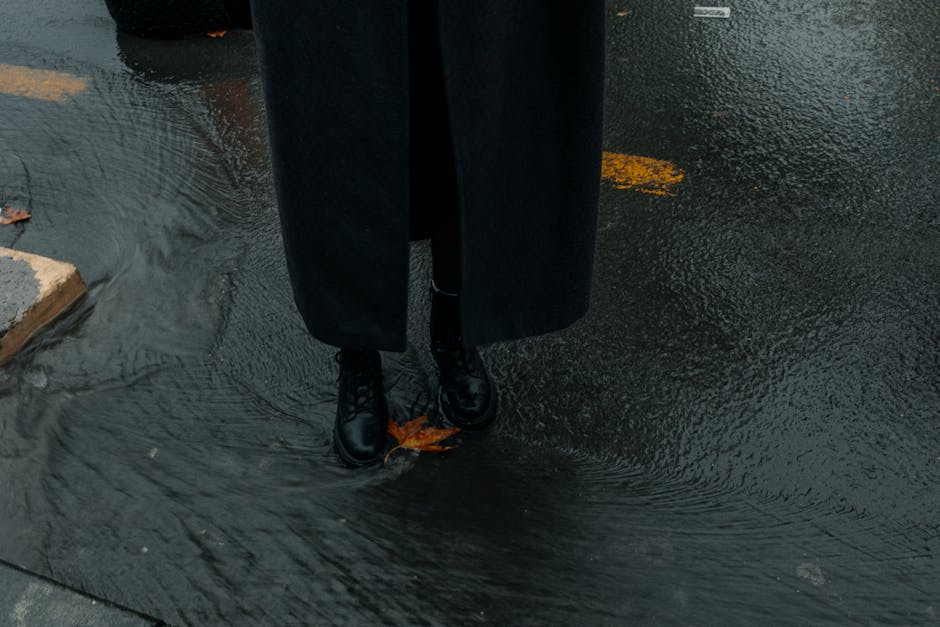
    A person in a long coat stands on a wet street with fallen autumn leaves.

    If you are trekking above 3000 meters, camping through multiple monsoon days, or spending six-plus hours in sustained heavy rain, stop shopping in this price bracket. No ₹1500 jacket has the seam tape quality, HH rating, or DWR durability for that kind of use. The Decathlon Forclaz MT500 (around ₹2500–₹3000) or the Wildcraft Pivot (around ₹3000) are where that use case starts making sense. A ₹1500 jacket that fails on day two of a trek is worse value than spending ₹3500 on one that holds for three years of hard use.

    Which Raincoat to Buy Based on What You Actually Do

    A cyclist rides through the rain by vibrant advertising billboards in a city setting, creating a lively urban scene.

    Specific situations, specific answers. No hedging.

    Daily bike or scooter commuter through monsoon season?

    A jacket alone will not protect you. You need a full rain suit — jacket and waterproof trousers. Decathlon sells the Quechua NH100 as a jacket-and-trouser set for around ₹1500–₹1800 total. Without waterproof trousers, your jeans soak through from the knees down within the first kilometer of heavy rain. A raincoat-only setup works for walking and public transport. On a two-wheeler in monsoon, it is only half a solution.

    Walking commute or public transport user?

    The Quechua MH500 at ₹1299. It packs into its own pocket, handles real rain with the 5000mm rating and seam tape, and fits in a work bag without much bulk. Size up one from your usual for layering. This is the sensible purchase for most people at this budget.

    Just want something cheap for unpredictable days?

    The Quechua NH100 at ₹899 is fine for this. Understand that it is a light-rain jacket, not a monsoon jacket. Keep it in your bag for days when rain is possible but not certain. Twenty minutes in heavy rain without seam sealing is its real limit.

    Wildcraft vs Decathlon — which brand to trust at this price?

    Decathlon for specs-per-rupee, every time. Wildcraft for accessibility if there is no Decathlon store in your city. Decathlon publishes HH ratings and seam tape specs clearly on their product pages. Wildcraft’s specs are less consistently documented, but their physical build quality is reliable for city use. If you can visit both stores and handle the fabric, the MH500 feels noticeably more technical for the price.

    Bottom Line: For the majority of use cases under ₹1500, the answer is the Decathlon Quechua MH500. It is not the cheapest option here, but it is the most competent one in this budget. The NH100 covers light rain at a lower price. Everything else is either a trade-up to a better bracket or a step down in protection — and now you know exactly which category each option falls into.

    Budget rainwear has improved steadily over the past several years as brands like Decathlon push technical specs into lower price points. The ₹1299 jacket available now outperforms what ₹3000 bought five or six years ago. That compression of specs downward into budget pricing is not slowing — which makes this one of the few product categories where waiting a season to buy might genuinely get you a more capable jacket for the same money.

  • Best Hats in V Rising: Every Headgear Tier Ranked

    Best Hats in V Rising: Every Headgear Tier Ranked

    The Stat Most Players Ignore When Picking Helmets

    Sun resistance. That single passive decides whether your vampire survives outdoor daytime raids or turns to ash in seconds — and most players never check it on their headgear.

    Every piece of headgear in V Rising does two things simultaneously: it adds to your gear score average and delivers secondary passive bonuses. Players fixate on gear score numbers and ignore what the passives actually do for their specific build. A helm that pushes your gear score up three points while offering zero synergy with your blood type or spell loadout is a worse choice than keeping mid-tier gear that supports how you actually fight.

    V Rising rewards players who read tooltips carefully. This guide covers every major headgear tier — what to craft, what to skip, and which endgame helm to target based on your build.

    How Headgear Contributes to Your Gear Score

    Your overall gear score in V Rising is the average of all equipped pieces. That means a single helmet upgrade from Gear Score 30 to GS 50 moves your total average meaningfully — making headgear one of the highest single-item progression jumps available early in the game.

    The secondary passive on each helm is often where the real combat value lives. Passives include sun damage reduction, cooldown trimming on specific spells, bonus damage after feeding, blood potency amplifiers, and player damage bonuses for PvP. Two helmets at identical gear scores can perform completely differently depending on your setup.

    When Not to Upgrade Your Helmet First

    If your chest armor and leg slots are three tiers behind your helm, don’t upgrade the helm again. Gear score is averaged across all slots. Stacking a GS 75 helm on GS 40 chest and legs produces a mediocre average. The correct sequence is to bring your lowest-tier slots up first, then upgrade the helm once the rest of your kit is within one tier of it.

    Early Game Hats Worth Your Leather and Time

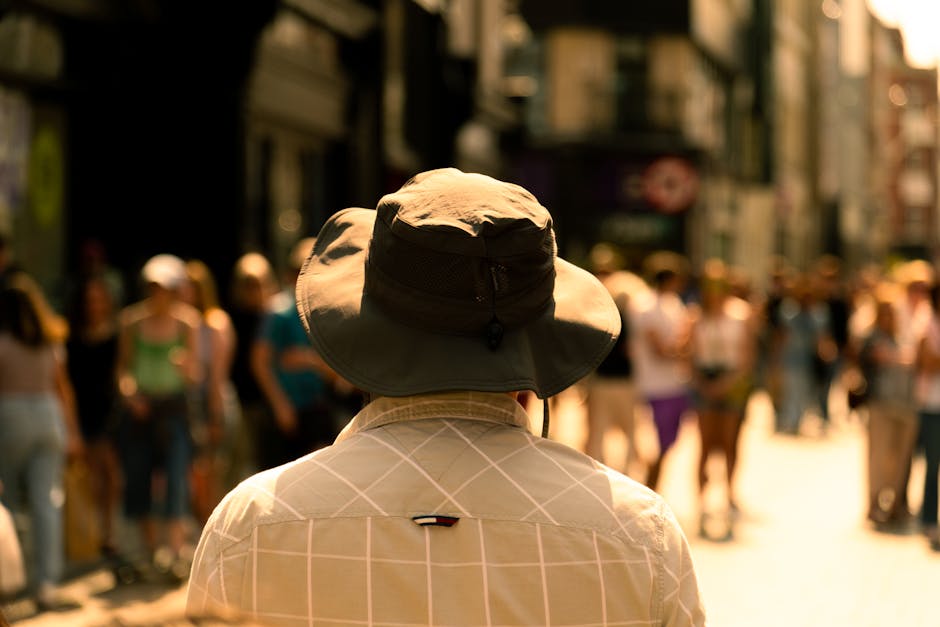
    A scenic urban street capture featuring a sunlit pedestrian wearing a wide-brimmed hat during late summer.

    The first hat worth crafting is the Hunter’s Hat, available from the Tannery after you’ve processed enough leather. It sits around Gear Score 30 and unlocks the Hunter armor set bonus — a movement speed increase while moving through forested areas. In Farbane Woods during early exploration, that mobility bonus is genuinely underrated. You cover more ground, outpace human patrols, and reach camps faster before sunrise forces you back inside.

    Do not craft the basic Cloth Hat if you can avoid it. The material cost difference between Cloth and Hunter tier is small once you have a functioning farm running, and the stat gap is noticeable enough to matter in early fights against V Blood bosses.

    Raider’s Headgear: Worth the Craft or Skip?

    Skip it on PvE servers. The Raider’s Headgear requires similar crafting inputs to Hunter tier but doesn’t offer a set bonus worth chasing unless you’re specifically building a PvP entry loadout. On PvP servers it has durability advantages on death that keep material loss lower, but on PvE the Hunter’s Hat beats it for exploration value every time.

    When to Move Off Early Tier Entirely

    Move off early headgear as soon as you unlock the Smithy and can process iron ingots reliably. The gear score jump from Hunter tier to Iron tier is large enough that it pushes you past several progression gates faster. Target this upgrade after defeating Clive the Firestarter, which unlocks the iron processing chain. At that point, keeping a GS 30 hat on your head is leaving free power on the table.

    Mid-Game Helmets: Iron, Hollowfang, and Nightstalker Compared

    Helmet Gear Score Primary Stat Secondary Passive Best Use Case
    Iron Helm ~47 +Physical Power Reduced fall damage Physical melee, PvE
    Merciless Iron Helm ~53 +Physical Power (higher) Bonus damage vs. players PvP servers only
    Hollowfang Helm ~54 +Spell Power Bonus damage on first hit after feeding Spell builds, PvE
    Nightstalker Hood ~50 +Movement Speed Reduced NPC detection radius at night Stealth, PvP raiding
    Dawnthorn Helm ~60 +Spell Power Spell cooldown reduction Spell builds, bridge to endgame

    The Merciless Iron Helm is the clear winner on PvP servers. The player-damage bonus sounds modest in a tooltip, but fights in V Rising PvP last seconds — that extra damage changes whether you burst someone down before they reach cover or lose the exchange narrowly. On PvE servers, the Hollowfang Helm is the better mid-game option for spell builds because the post-feed bonus triggers constantly during any content involving human camps.

    The Nightstalker Hood is a niche pick that most players overlook. Players doing infiltration runs on PvP servers — scouting enemy castles, stealing resources from guarded zones — get real value from the reduced detection radius. Guards won’t spot you from as far. It doesn’t help at all in direct combat, so don’t wear it to a fight.

    Merciless Variants: Pay the Resource Cost or Move On?

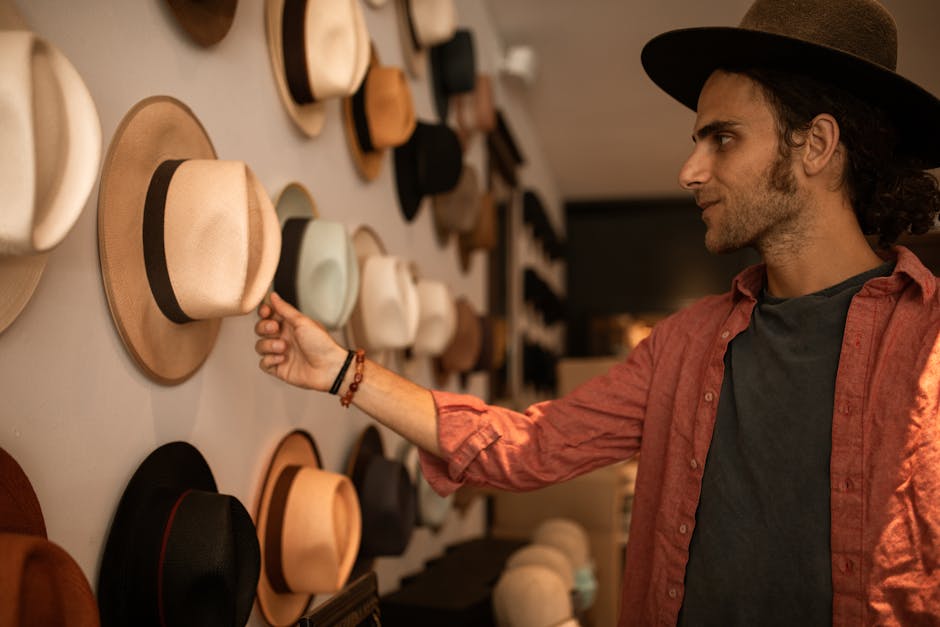
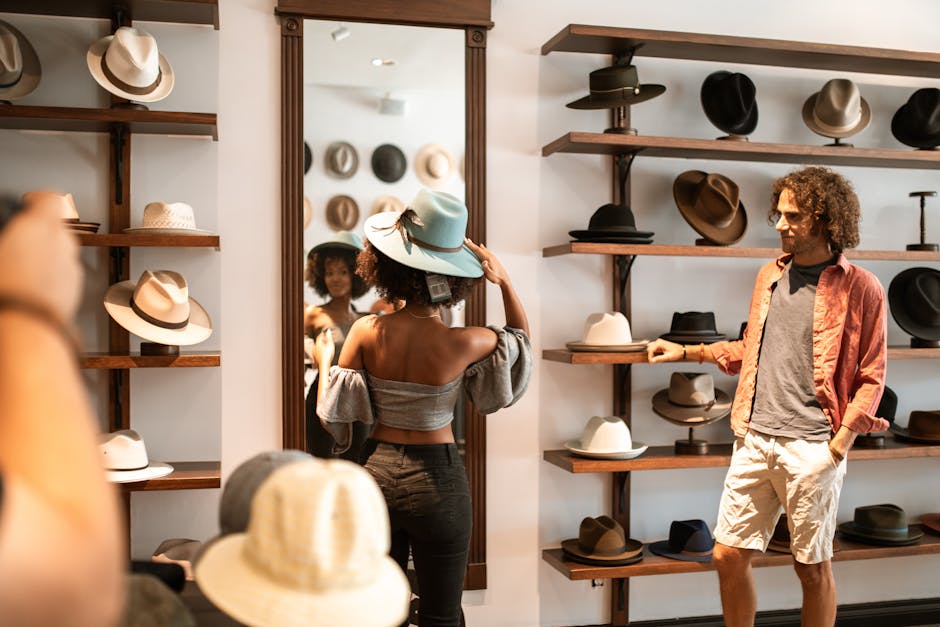
    Man shopping for hats in a stylish indoor boutique store with a variety of options on display.

    On PvP servers: yes, craft Merciless. On PvE servers: skip it and save your resources for the next tier entirely.

    Merciless Iron Ingots require double the iron ore and a powered furnace upgrade. That crafting chain takes time. On a PvE server, the marginal stat gain over standard Hollowfang tier doesn’t justify the delay — those same materials get you closer to Dark Silver crafting, which is a far larger power jump than polishing mid-tier gear. On a PvP server, running Merciless tier is the difference between winning fights and narrowly losing them, so the cost is justified by the environment you’re playing in.

    Endgame Headgear: Dark Silver, Sanguine, and Bloodmoon in Full Detail

    This is where V Rising headgear decisions get genuinely consequential — and where most players make the mistake of defaulting to whichever endgame helm they craft first rather than choosing based on build.

    The Dark Silver Helm is the gateway endgame option. Crafted from Dark Silver Ingots at a fully upgraded Anvil, it sits around GS 72-75 and delivers a solid physical power increase. Its secondary passive grants spell resistance, which sounds defensive and PvP-specific — but it carries genuine PvE value too. The Cursed Forest zone enemies include heavy-hitting casters that punish low spell resistance builds, and the Silver Mines in Silverlight Hills have similar enemy compositions. Don’t write off the spell resistance passive as irrelevant to PvE.

    Most players craft the Dark Silver Helm and stop there. That’s a mistake if you’re heading into the game’s hardest content.

    Sanguine War Helm: Best-in-Slot for Physical Builds

    The Sanguine War Helm is the best endgame headgear for physical damage builds. It requires Sanguine Steel Ingots — a late-game material gated behind progression through Gloomrot and into Silverlight Hills — along with Primal Blood Essence and a fully upgraded Anvil. The crafting cost is genuinely high. Budget two to three active farming sessions across Gloomrot before you have enough materials.

    The payoff: the Sanguine War Helm’s passive grants a blood potency amplifier that stacks with high-quality blood. If you’re farming Warrior or Brute blood at 80% quality or above, this helm’s passive multiplies those bonuses further. This isn’t a 3-5% rounding difference in output — for physical builds at maximum blood quality, it changes the damage ceiling meaningfully. It’s a build-defining item, not just a gear score number.

    Bloodmoon Helm: The Spell Caster’s Endgame Choice

    For spell-focused builds, the Bloodmoon Helm outperforms the Sanguine War Helm outright. Its passive grants spell power scaling that aligns with Scholar or Creature blood types, plus a cooldown reduction on your primary offensive spell. For players running frost or storm spell loadouts, that cooldown reduction changes the rotation — you get an extra cast of your main damage ability within the same engagement window. In a game where boss fights have tight damage timers, that matters.

    The Bloodmoon Helm requires similar material costs to Sanguine War Helm but specifically needs Primal Blood Essence, which drops from Gloomrot bosses. Track which V Blood bosses in that zone drop it and farm them directly rather than hoping for random drops.

    The Witch Hat: Style Over Stats

    The Witch Hat is the most searched item in V Rising’s headgear category — and almost entirely for aesthetic reasons. It fits the vampire-occult visual fantasy perfectly, and players unlock it through a mid-game recipe that requires specific crafting materials. Stat-wise, it offers modest spell power bonuses at a gear score that doesn’t compete with Dark Silver or Sanguine tier. Wear it for the look. Don’t evaluate it as a functional endgame piece.

    PvP Servers Flip Several of These Rankings

    A woman tries on a stylish hat in a boutique store, admired by a companion.

    Here’s exactly what changes when you’re playing on a PvP server:

    • Merciless variants are mandatory — the player-damage bonus on Merciless Iron Helm and Merciless Hollowfang Helm is not optional on competitive servers. Standard variants put you at a consistent disadvantage in direct fights.
    • Dark Silver Helm beats Sanguine War Helm in many PvP matchups — the spell resistance passive on Dark Silver is broadly useful when facing mixed physical and spell player builds, more so than a blood potency multiplier that requires perfect blood quality to activate.
    • Spell resistance passive outweighs spell power passive in most PvP contexts — player casters hit harder than NPC casters relative to your HP pool, so the defensive value is higher.
    • Durability is a real factor — Merciless gear has better durability on death, which reduces material loss during raid deaths. On active PvP servers, this compounds over time.

    The biggest PvP error: equipping your PvE endgame loadout for castle raids. Sanguine War Helm performs excellently in Cursed Forest clears, but a player running frost spells will punish you for the lower spell resistance. Read the server’s dominant player builds before deciding which helm to equip for offense versus defense situations.

    Three Headgear Mistakes That Stall Your Progression

    Mistake one: upgrading your helm when other slots are multiple tiers behind. Gear score is averaged. Dumping Sanguine Steel Ingots into a helm upgrade while wearing GS 45 chest armor is a waste. Bring the lowest slots up first — you’ll see a bigger average gear score increase per material spent.

    Mistake two: crafting Merciless variants on a PvE server because a tier list said they were good. Tier lists often don’t separate PvP and PvE recommendations clearly. Merciless Iron Ingots cost double the materials of standard iron processing. On PvE, the stat difference doesn’t justify the delay in reaching Dark Silver tier. Save the ore.

    Mistake three: choosing a helmet based on gear score without reading the secondary passive. This is the most common error at every tier. A helm that provides spell cooldown reduction on a physical melee build does nothing useful. A helm with blood potency bonuses for someone running low-quality blood is dead weight. Match the passive to what your build actually uses. Two players at the same gear score can have dramatically different effective performance based on passive alignment alone.

    For endgame PvE: craft the Sanguine War Helm for physical builds running high-quality Warrior or Brute blood, and the Bloodmoon Helm for spell casters using Scholar or Creature blood. Those are the correct choices — not the ones with the highest gear score number on a wiki, but the ones that multiply what your build already does well.

  • Best Dress Brands in Pakistan: Who’s Worth Your Money

    Best Dress Brands in Pakistan: Who’s Worth Your Money

    Most people shopping for Pakistani dress brands start with two or three familiar names — Khaadi, Sana Safinaz, maybe Gul Ahmed — and assume the rest of the market is either overpriced or unknown for a reason. That assumption misses a lot of good buying. Pakistan runs one of the most active textile industries in the world, and the domestic brand landscape is significantly richer — and more varied in quality — than the marquee names suggest.

    How Pakistani Fashion Seasons Actually Work

    Pakistani dress brands don’t run on a Western fashion calendar. Before spending anything, understanding the buying cycles here saves money and frustration.

    The market operates on three primary cycles. First is the lawn season, which dominates from February through June. This is summer fabric — lightweight cotton or cotton-blend unstitched suits, sold by the piece for tailoring. Every major brand drops multiple lawn collections during this window, and competition drives variety and occasional price undercutting. Second is the winter collection, typically dropping in October and November, centered on khaddar (rough-woven cotton), linen, and velvet-accented fabrics. Third is the Eid release cycle, which operates almost independently — both Eid-ul-Fitr and Eid-ul-Adha trigger formal and semi-formal collection launches, where embellished pret and unstitched formal wear dominate.

    Why this matters: buying a summer lawn suit in August means you’re shopping end-of-season stock. You’ll find better prices — sometimes 30 to 40 percent off — but limited sizes and popular prints already sold out. Buying at launch in February means paying full retail but getting first access. Neither approach is wrong; they serve different priorities.

    There’s also a distinction between unstitched and pret that catches new buyers off guard. Unstitched means you’re buying fabric and having it tailored separately — the listed price doesn’t include stitching costs, which typically run PKR 1,500 to PKR 4,000 depending on complexity and city. Pret is ready-to-wear: sized, cut, stitched by the brand. Each has tradeoffs in cost and fit control.

    What Good Fabric Quality Actually Looks Like

    Graceful woman in a floral dress crouching by a tranquil riverbank in summer.

    The single most important buying skill for Pakistani dresses is reading fabric quality — because the same brand can produce very different base materials across its product tiers, and labels won’t always tell you which tier you’re holding.

    Lawn Fabric: What to Feel For

    Lawn is the dominant summer fabric in Pakistani fashion. It’s a plain-weave cotton (or cotton-blend) distinguished by its thread count and finish. High-quality lawn feels smooth without being slippery, holds color after washing, and doesn’t go stiff or rough after ironing. Lower-quality lawn — which shows up in economy lines from otherwise reputable brands — has visible weave gaps, prints that bleed slightly at the edges, and a texture that degrades after two to three washes. If you’re buying online, check whether the brand lists the thread count or fabric weight in grams per square meter. Anything above 65 GSM is a good indicator of durability.

    Khaddar and Winter Fabrics

    Khaddar is a hand-woven or power-loom fabric with a distinctive rough texture. The quality range is wide. Good khaddar has tight, even weave density and holds embroidery cleanly without puckering. Cheap khaddar pills at friction points — collars, cuffs, the edges of dupattas — within one season. When buying khaddar-based winter suits, run your hand against the grain: if the surface snags or sheds threads immediately, the GSM is too low for the price being charged.

    Embellishment and Embroidery Durability

    For formal and semi-formal pieces, embellishment quality is where the biggest price differences are actually justified. Machine embroidery at lower price points produces flat, uniform stitch patterns that loosen with dry cleaning. Hand embroidery — which you’ll find on designer pieces above PKR 20,000 — has irregular stitch depth that holds up significantly better and catches light differently. Stone and sequin work on budget formal pieces is almost always glued; on quality pieces it’s stitched. Test by gently pressing a stone: glued stones have micro-movement, stitched ones don’t.

    Brand-by-Brand Comparison: Price, Segment, and Strengths

    Here is where the market actually sits in 2026. Prices reflect standard retail; sale pricing can shift these significantly.

    Brand Market Segment Unstitched Suit Range (PKR) Pret Range (PKR) Strongest Category
    Limelight Budget 1,500–3,500 1,800–4,500 Everyday cotton casual
    Beechtree Budget–Mid 2,000–5,000 2,500–6,000 Youth casual, basic pret
    Alkaram Studio Mid-range 2,500–7,500 3,000–8,000 Lawn fabric quality
    Gul Ahmed Mid-range 2,800–9,000 3,500–10,000 Winter khaddar, heritage prints
    Khaadi Mid–Premium 3,500–12,000 4,000–13,000 Block prints, cotton character
    Cross Stitch Mid–Premium 3,500–9,000 4,000–11,000 Embroidered cotton formal
    Baroque Premium 7,000–18,000 8,000–22,000 Luxury chiffon, festive formal
    Sapphire Premium 5,000–14,000 5,500–16,000 Contemporary stitched pret
    Sana Safinaz Premium–Luxury 9,000–30,000 12,000–38,000 Luxury lawn, formal pret
    Maria B Luxury 13,000–55,000 15,000–60,000+ Designer pret, bridal
    Asim Jofa Designer 20,000–80,000+ 25,000–90,000+ Embroidered chiffon, bridal
    Elan High Couture N/A 60,000–300,000+ Bridal couture, high formal

    Two names worth flagging that don’t appear in typical brand lists: Cross Stitch and Baroque. Both consistently undercut their direct competitors on price while delivering comparable or better embellishment quality. They’re the brands worth knowing if you find Sana Safinaz pricing frustrating but don’t want to compromise on a formal occasion.

    The Mid-Range Brands That Actually Deliver Consistent Quality

    Urban Outfitters store entrance with illuminated signage in a city environment.

    Alkaram Studio, Gul Ahmed, and Khaadi are the three mid-range names where quality has stayed consistent across multiple seasons — not just in one standout collection. That consistency is what matters most if you’re buying without trying on first or shopping from outside Pakistan.

    Alkaram Studio

    Alkaram’s advantage is structural: the parent company, Al-Karam Textile Mills, supplies fabric to international brands in Europe and North America. The manufacturing standards that meet those export contracts carry over into the domestic retail line. Their premium lawn collections — labeled Studio or Signature in most seasons — sit in the PKR 4,000–7,500 range for an unstitched suit and deliver thread count and print registration that several brands at twice the price don’t match.

    The important qualifier: Alkaram’s economy lawn lines, often priced around PKR 2,000–3,000, use noticeably different base fabric. The print is less sharp, the dupatta fabric is thinner, and the overall construction feels like a different product. The brand name is consistent; the quality tier isn’t. Buy from the premium lines, not the basics.

    Gul Ahmed

    Founded in 1953, Gul Ahmed is the oldest major textile brand in Pakistani retail fashion, and the heritage shows in two specific categories: winter khaddar suits and embroidered formal collections. Their winter pieces in the PKR 6,000–10,000 range — particularly the Ideas by Gul Ahmed sub-brand — hold embroidery without puckering and maintain color saturation after repeated washing better than most competitors in the same price range. The brand’s digital print technology has also improved noticeably since 2026; fine-line floral prints that used to look pixelated in person now print clean.

    Where Gul Ahmed is average: casual pret. The ready-to-wear pieces lack the fit refinement of Sapphire and the fabric character of Khaadi. Stick to unstitched from Gul Ahmed.

    Khaadi

    Khaadi built its reputation on handwoven and block-printed fabrics and has expanded heavily into mass production since the early 2010s. The original handwoven DNA is still visible in the brand’s core cotton collections. The ready-to-wear pieces — particularly the linen and cotton pret from PKR 5,000–10,000 — have sizing that runs more consistently true across their range than most Pakistani brands, which matters if you’re ordering online. The block print aesthetic is also genuinely distinct; it doesn’t look like the repeating floral patterns that dominate every other brand’s summer collection.

    When Premium Pricing Is Actually Justified

    Sapphire for everyday pret. Sana Safinaz for occasion dressing. That’s the honest distinction between the two premium names most buyers confuse.

    Sapphire’s strength is construction quality on ready-to-wear pieces. Seam finishing, button placement, lining on heavier fabrics — these details are consistently better than competitors at the same price point. The brand also designs with South Asian body proportions in mind rather than adapting Western sizing charts, which matters in a market where a size medium in one brand is a size small in another.

    Sana Safinaz’s premium pricing is driven by print exclusivity and embellishment complexity on formal lines, not necessarily construction precision on everyday pieces. Their luxury lawn collection — PKR 12,000–25,000 for an unstitched suit — features prints developed exclusively for each seasonal collection, heavier embroidered borders, and packaging that signals the price point. Whether the base fabric justifies that price over Alkaram’s best line is debatable. Many experienced buyers would say no.

    Where Sana Safinaz is unambiguously worth the money: formal and semi-formal pret in the PKR 20,000–35,000 range. The structured silhouettes, embellishment density, and occasion-ready aesthetic in this tier are more polished than Sapphire’s casual-leaning range can match.

    For designer-tier names: Maria B is the accessible entry point, with luxury pret starting around PKR 15,000–20,000 and a lawn line (M. Prints) that sits between premium and designer pricing. Asim Jofa is the correct answer for embroidered chiffon formal wear — the embellishment density and fabric quality at PKR 25,000–60,000 is legitimately difficult to replicate at lower price points. Elan is bridal and high formal only; the hand embroidery on pieces above PKR 100,000 reflects genuine craftsmanship, but it’s a narrow use case.

    Five Mistakes That Cost Buyers Every Season

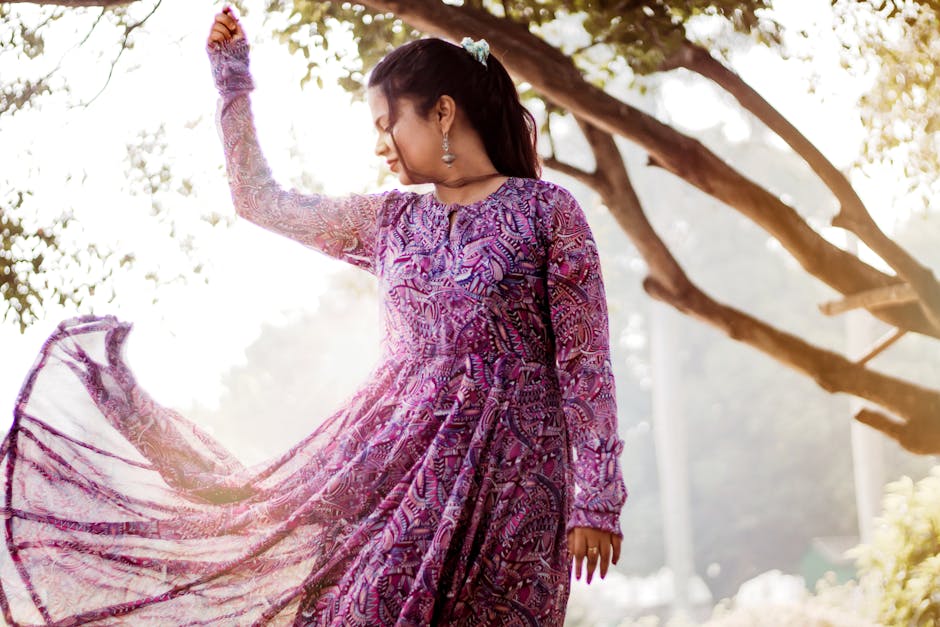
    A woman poses gracefully in a vibrant purple dress, basking in sunlight amidst the trees.
    • Treating unstitched price as the final cost. Add PKR 1,500–4,000 for basic tailoring, more for embroidered pieces that need careful handling. A PKR 5,000 unstitched suit becomes PKR 7,000+ before you wear it.
    • Buying luxury lawn at launch-week prices. Sana Safinaz, Maria B, and similar brands run mid-season sales where suits priced at PKR 18,000–22,000 drop to PKR 12,000–14,000. If you can wait six to eight weeks after collection launch, you pay significantly less for the same product.
    • Assuming all collections from a brand are equal quality. Gul Ahmed’s economy unstitched line and their Signature collection share a brand name and almost nothing else. The base fabric, print registration, and dupatta quality differ substantially.
    • Ordering formal embellished pieces online without checking customer photos. Brand photography edits embroidery to look three-dimensional and richly colored. Customer review photos in natural light are far more accurate. Most major platforms including Sana Safinaz’s own website show customer uploads — use them.
    • Overlooking Cross Stitch and Baroque entirely. Cross Stitch’s embroidered cotton formal suits in the PKR 4,000–9,000 range compete directly with Khaadi at premium pricing and win on embellishment detail. Baroque’s chiffon formal pieces at PKR 8,000–18,000 undercut Sana Safinaz on price while delivering comparable fabric weight and embellishment quality.

    The Verdict by Occasion and Budget

    For everyday cotton pret under PKR 10,000: Sapphire for better stitching and sizing, Khaadi for more distinctive fabric character. Both are reliable buys.

    For summer unstitched lawn, mid-budget: Alkaram Studio’s premium line at PKR 4,000–7,500. The fabric quality-to-price ratio is better than anything from Sana Safinaz at standard retail pricing.

    For Eid or wedding guest wear, PKR 8,000–18,000: Cross Stitch or Baroque. Both are chronically underrated relative to their quality, and both offer something genuinely occasion-appropriate without the marquee name markup.

    For formal occasions with a higher budget, PKR 25,000–60,000: Asim Jofa’s embroidered chiffon or net pieces. The embellishment complexity is the right answer for high-visibility events.

    For bridal: Elan if budget isn’t a constraint — the hand embroidery is legitimately exceptional. Maria B if you want designer quality at a number that doesn’t require a separate conversation with your family.

  • Best Men’s Watches Trending Right Now

    Best Men’s Watches Trending Right Now

    Watch trends don’t work like clothing trends. A style that peaks this year doesn’t look embarrassing in three years — it either holds or it fades slowly enough that no one notices. That’s both the appeal and the trap. Buy the wrong thing for the wrong reason and you’re wearing it for a decade.

    Here’s where the market actually is right now, what’s worth money at each price tier, and what to skip.

    The Four Watch Styles Getting the Most Attention Right Now

    Four distinct aesthetics are dominating men’s watch conversations in 2026. Each caught on for different reasons and suits a different buyer.

    Integrated Bracelet Watches

    The integrated bracelet look — where the case and bracelet flow as one visual unit with no visible lug join — originated with the Audemars Piguet Royal Oak in the 1970s. The AP costs over $30,000. It took the affordable market roughly a decade to catch up meaningfully.

    The Tissot PRX Automatic ($475, 40mm) is the clearest entry point into this style. ETA 2824-2 movement, slim 9.9mm profile, no date complication cluttering the dial. It sits flat on the wrist and reads as a watch that costs considerably more. For office or dinner settings, it works without explanation.

    The Frederique Constant Slimline Integrated (~$1,200) steps this up with more refined case finishing and better bracelet tapering. But the Tissot covers 80% of the use case at a third of the price.

    Field Watches and Military-Adjacent Aesthetics

    Clean. Legible. Undecorated. The field watch revival is a direct reaction to overdesigned pieces loaded with subdials, excessive texture, and busy bezels. The Hamilton Khaki Field Mechanical ($395, 38mm) distills the category: Arabic numerals, lollipop seconds hand, ETA 2801-2 manual-wind movement. It looks like a WWII-era military watch because it’s descended from one.

    The Seiko SRPG35 Alpinist (~$450) adds a compass bezel and 200m water resistance to a similar aesthetic. More versatile for outdoor use. The dial is slightly busier, which some buyers like and others don’t.

    The CasiOak and What It Actually Represents

    The Casio GA-2100 costs $99. Its octagonal case mimics Royal Oak geometry well enough that it earned its own nickname. It became a genuine style object in 2026 and the conversation hasn’t slowed.

    Resin case. 51 grams. 200m water resistance. Three-year battery. Shock resistant. What made it trend isn’t irony or budget appeal — it’s that the octagonal bezel shape reads well at any price level. Casio’s own G-Shock line introduced octagonal variants in response. Citizen, Seiko, and Bulova moved in the same direction. The GA-2100 started a conversation the entire industry answered.

    The 36–40mm Case Comeback

    Men’s watches shrank. After a decade of 44mm and 46mm cases, the market reversed hard. The Tudor Black Bay 58 ($3,325, 39mm) became a benchmark partly because it proved a dive watch could be proportionate. The Orient Bambino V4 ($150, 40mm) benefits from the same logic at the opposite end of the market.

    Dress codes loosened, suits slimmed, and oversized cases looked incongruous. This shift is structural, not a passing moment.

    Watch Case Size Price (USD) Movement Best For
    Tissot PRX Automatic 40mm $475 ETA 2824-2 automatic Office, dinner, smart-casual
    Hamilton Khaki Field Mechanical 38mm $395 ETA 2801-2 manual wind Casual, travel, any occasion
    Casio GA-2100 (CasiOak) 45.4mm (thin) $99 Digital/analog quartz Everyday casual wear
    Orient Bambino V4 40mm ~$150 Orient F6724 automatic Formal and dress occasions
    Seiko SRPG35 Alpinist 38mm ~$450 Seiko 4R36 automatic Outdoors, travel, active
    Tudor Black Bay 58 39mm $3,325 MT5402 in-house automatic All occasions, investment piece

    The Spec Most Men Overlook When Buying a Watch

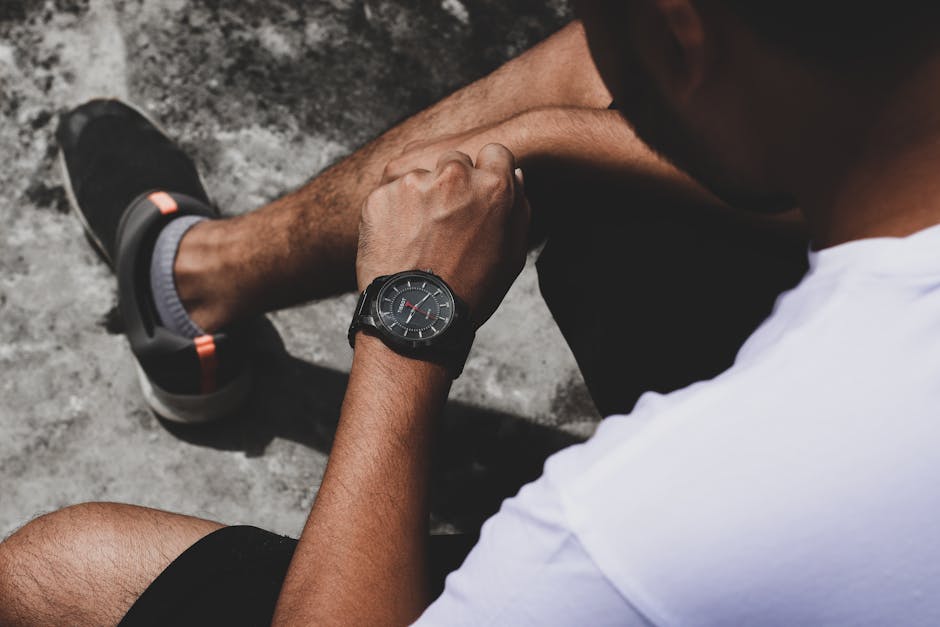
    A man in casual attire checks the time on his fashionable wristwatch while sitting outdoors.

    Case diameter is how watches get advertised. Lug-to-lug distance is what actually determines how a watch wears on your wrist — and it’s almost never the number in the headline.

    Diameter tells you how wide the dial is. Lug-to-lug tells you how much vertical coverage the watch creates from top to bottom, and whether it overhangs your wrist edges. Two watches both listed as “40mm” can have lug-to-lug measurements that differ by 4–5mm, making one look proportionate and one look too large on the same wrist.

    How to Measure Your Wrist Before Ordering

    Wrap a cloth tape measure or a strip of paper around your wrist just below the wrist bone — exactly where a watch sits. Measure in millimeters.

    • Under 160mm wrist circumference: 36–38mm case diameter, under 44mm lug-to-lug
    • 160–175mm wrist: 38–41mm case diameter, 44–47mm lug-to-lug range
    • 175mm+ wrist: 40–44mm reads proportionate

    A 44mm case on a 155mm wrist looks like a prop. A 36mm case on a 190mm wrist disappears. This isn’t preference — it’s proportion math. Check the lug-to-lug spec before ordering anything online. It appears in virtually every serious watch review and takes 10 seconds to find.

    What Case Thickness Actually Affects

    Case thickness determines whether a watch fits under a dress shirt cuff. Under 11mm: disappears under any sleeve. 11–13mm: visible but manageable. Over 13mm: creates a visible bulge under a dress shirt and tends to catch on jacket linings.

    If you wear formal or business attire regularly, check thickness before purchase. It’s listed in every spec sheet and ignored until it’s too late to return.

    What Water Resistance Ratings Actually Mean

    A watch rated 30m / 3ATM is not safe for swimming. That rating reflects static pressure in a controlled lab test — not the dynamic pressure of moving through water. The practical thresholds are not negotiable:

    • 30m / 3ATM: Splashes only. Not for swimming.
    • 50m / 5ATM: Light swimming. Not for diving.
    • 100m / 10ATM: Swimming and snorkeling.
    • 200m / 20ATM: Dive watch territory, suitable for recreational scuba.

    Most dress watches top out at 30m or 50m. Know what the number actually permits before wearing one to the pool.

    Specific Watches Worth Buying at Each Budget

    Clear picks by price tier. No hedging.

    Under $200: Orient Bambino V4 for Dress, Casio GA-2100 for Casual

    The Orient Bambino V4 (~$150) runs Orient’s in-house F6724 automatic movement, has a domed mineral crystal, and comes in eight dial variants. At this price, no dress watch competitor matches its build quality and visual impact. Accuracy sits at ±15 seconds per day, which is acceptable at this tier. The white dial with Roman numerals reads several price points above its actual cost.

    The Casio GA-2100 ($99) handles casual wear, active use, and daily rotation without apology. Octagonal bezel, 200m water resistance, multi-function digital display, three-year battery. It’s a recognized design object, not a cheap placeholder.

    If your budget is under $100 and you specifically want an automatic movement: don’t. Sub-$100 automatics have inconsistent movement quality and poor accuracy records. The Orient at $150 is the minimum viable entry point for a reliable automatic. Below that price, quartz is the correct choice, not the compromise.

    $300–$600: Hamilton vs. Tissot — Pick Your Wardrobe

    These two watches cover completely different aesthetics at similar prices. The choice isn’t about quality — it’s about what you actually wear.

    The Hamilton Khaki Field Mechanical ($395) is the pick for casual and smart-casual wardrobes. Manual winding is a ritual some owners genuinely enjoy. The ETA 2801-2 movement is simple, robust, and well-supported for future servicing. At 38mm and 9.5mm thick, it tucks under any sleeve.

    The Tissot PRX Quartz ($325) or PRX Automatic ($475) is the pick for office and formal-leaning wardrobes. The integrated bracelet and slim profile dress up consistently better than the Hamilton. The PRX Automatic runs ±4 seconds per day out of the box.

    One point worth stating plainly: quartz movement accuracy (±15 seconds per month) is objectively better than most automatics (±4–20 seconds per day). If precision matters professionally, quartz isn’t the budget compromise — it’s the technically correct choice.

    $400–$700: Seiko Prospex for Active Buyers

    The Seiko SRPG35 Alpinist (~$450) offers 200m water resistance, a compass bezel, and the 4R36 movement with hacking and hand-winding capability. Seiko manufactures its own movements — parts availability and service access are better than brands using third-party calibers when the watch needs attention five or seven years from now. At 38mm and 46.4mm lug-to-lug, it fits most wrists without overhanging.

    Before buying any watch online: check the return policy first. A case that looks proportionate in photographs can wear differently on your actual wrist. Thirty days is the minimum acceptable return window. Some brands offer sixty.

    $3,000+: Tudor Black Bay 58, No Real Competition

    The Tudor Black Bay 58 ($3,325) earns its price through the in-house MT5402 movement — COSC-certified to ±4 seconds per day, 70-hour power reserve, 200m water resistance — and a 39mm case with 46mm lug-to-lug that actually fits most wrists without overhang. Tudor is Rolex’s sister brand, manufactured in Geneva to matching tolerances.

    Buy this once and stop thinking about it. It works at a wedding. It works on a dive boat. It works in a client meeting. Nothing about its design ages, and it holds resale value better than most Swiss watches at this price tier.

    When You Should Not Buy a Trending Watch

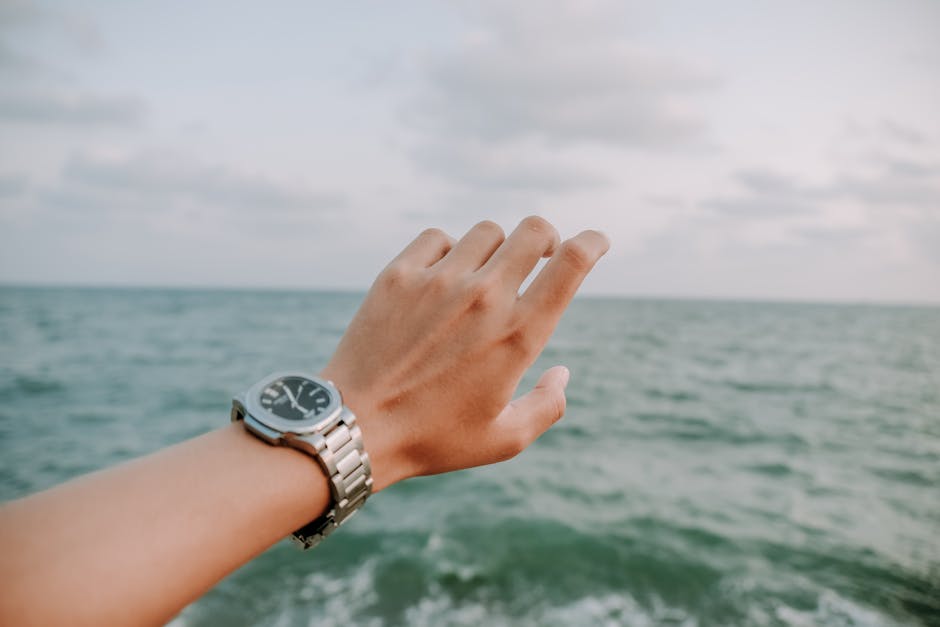
    A close-up shot of a hand wearing a wristwatch, reaching towards the ocean under a cloudy sky.

    If you want a specific watch primarily because you’ve seen it repeatedly in your social media feed, wait 90 days. If the want is still there, buy it. Impulse-driven watch purchases have a high regret rate — watches don’t sell easily without taking a meaningful loss on recent retail pricing, and they’re not seasonal items you can quietly retire.

    If the choice is between buying a new watch and servicing one you already own and like, service it. A properly serviced watch you’re already attached to beats an unfamiliar new purchase at the same dollar amount. Full service on most Swiss movements runs $150–$300. That math rarely favors replacement.

    Common Questions Before Buying

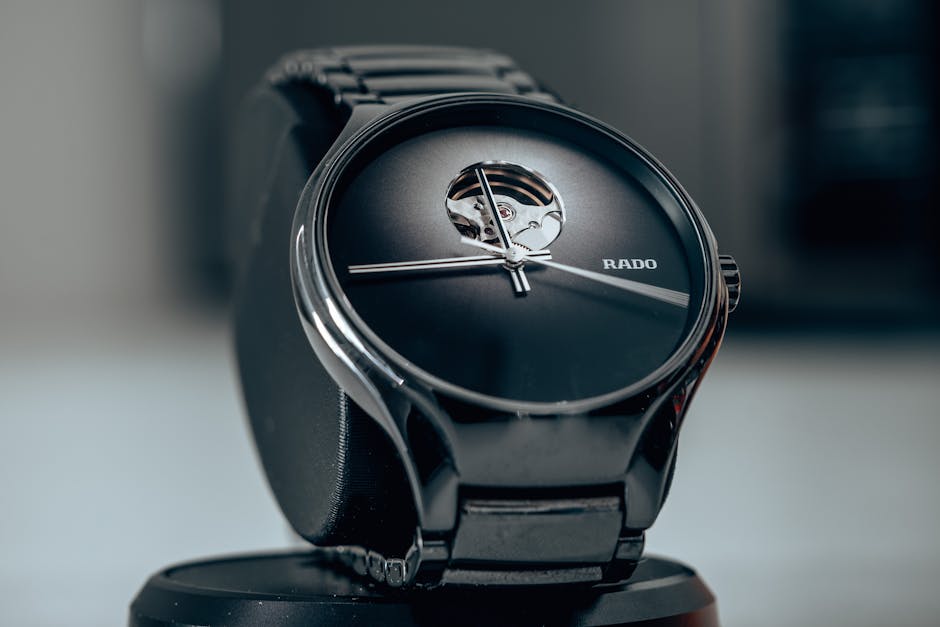
    Close-up shot of an elegant black wristwatch showcasing modern luxury design.

    Does brand prestige matter below $500?

    Less than the marketing suggests. Orient uses its own in-house movements and beats most fashion brands using rebadged commodity calibers at the same price. Hamilton uses ETA movements from the Swatch Group — well-supported for service. Fossil, MVMT, and Daniel Wellington at similar prices use movements with thinner service infrastructure and lower finishing standards. Below $500, check the movement origin and serviceability. Brand name and movement quality are not the same thing at this tier.

    How often does a watch actually need servicing?

    Automatic and mechanical movements: every 5–7 years. Cost ranges from about $80 for a basic Seiko caliber to $400+ for a complex Swiss movement. Quartz watches need battery replacement every 2–4 years ($10–$30 at a jeweler) and a full service every 10+ years. If you’re buying an automatic and won’t realistically budget for periodic servicing, quartz is the more honest choice for your actual lifestyle.

    Is pre-owned worth considering?

    Yes, specifically for Swiss watches over $800. A pre-owned Longines HydroConquest (41mm, 300m water resistance, ETA 2824-2 movement) that retails new above $1,100 regularly appears used in the $650–$800 range on Chrono24 or WatchBox, both of which offer authentication and buyer protection. For Seiko and Casio, pre-owned savings relative to retail prices are smaller, and condition variance isn’t worth the risk. Buy those new.

    Do straps make a real difference?

    More than most buyers expect. A leather strap from Hirsch or Hadley-Roma ($25–$50) regularly outperforms the stock strap on a $300 watch in both texture and long-term durability. For sport and casual watches, a NATO strap ($10–$20) is lighter than a metal bracelet, fully washable, and more comfortable in warm weather. The watch case is the investment. Strap-swapping is inexpensive customization that changes the entire character of a piece without touching its resale value.

  • Outbound Winter Boots Canada: What You Get for the Price

    Outbound Winter Boots Canada: What You Get for the Price

    Temperature ratings on winter boots are measured on a stationary thermal foot form — a plastic foot that does not sweat, move, or lose circulation. That “-40°C rated” label was never tested on anything resembling actual human feet in actual Canadian winters.

    This matters because Outbound sits at a price point where assumptions get expensive. Not cheap enough to write off. Not premium enough to feel automatic. That middle ground deserves a clear look at what you are actually buying — and when you should keep walking.

    How to Read Winter Boot Specs Before You Buy

    Most buyers skim two numbers: price and temperature rating. Both mislead without context.

    Temperature ratings follow the ASTM F2732 standard in North America, which measures comfort at rest — standing completely still. Walk around, and your foot generates heat. Stand on a street corner waiting for a bus in January, and your foot goes cold far faster than the label implies. Treat temperature ratings as rough orientation, not guarantees.

    Real warmth in practice depends on three variables: insulation quality, moisture management, and sole construction. They are not independent — they fail together when one is weak.

    Why Gram Weight on Insulation Misleads You

    400g of insulation sounds warmer than 200g. Often it is not.

    3M Thinsulate at 200g outperforms 400g of generic polyester fill in two critical situations: when compressed (as your foot presses into the boot while walking) and when damp. Generic synthetic fill loses 30–40% of its insulating capacity when wet. That is not a theoretical concern — boots accumulate internal moisture from sweat within hours of wear, every single day.

    Budget boots rarely name their insulation by brand. When you see “synthetic insulation” without a brand name attached, assume it is the cheaper formulation.

    Waterproof vs. Water-Resistant: The Distinction That Costs People Every Season

    Water-resistant sheds surface moisture — a quick puddle splash, light snow settling on the upper. Sustained slush exposure, wet sidewalks, snowmelt pooling on pavement: water-resistant fails at all of these within minutes of contact.

    Waterproof construction uses a sealed membrane that blocks water penetration under sustained pressure. Sealed seams matter just as much as the membrane itself — unsealed stitching provides a direct water path regardless of what the outer fabric does.

    Toronto averages 115cm of snow annually, much of which cycles through freeze-thaw into slush. Water-resistance is not adequate for everyday commuting in most Canadian cities past November.

    Outsoles: The Spec That Matters Most When the Ground Is Ice

    Standard rubber outsoles harden below -15°C and lose grip on ice. This is a material physics problem, not a manufacturing flaw.

    Carbon rubber compounds maintain flexibility at lower temperatures. Vibram Arctic Grip is the current standard for serious ice performance — it appears on boots in the $200+ range, not on sub-$120 options. For urban salted pavement, a standard carbon rubber lug pattern usually handles daily conditions adequately. For unsalted surfaces, icy parking lots, or outdoor work, the outsole deserves more attention than nearly any other specification on the box.

    Outbound Boot Price Tiers: What Actually Changes

    Outbound produces boots across three distinct construction tiers. Materials and build quality change meaningfully between them — this is not the same boot with a different price tag.

    Price Range (CAD) Waterproofing Insulation Temp Rating Outsole Best Fit
    $49–$79 Water-resistant only Generic synthetic fill -25°C lab rated Standard rubber Mild winters, short outdoor exposure
    $80–$120 Waterproof membrane Thinsulate-equivalent synthetic -30°C lab rated Carbon rubber, improved lug depth Urban commuters, moderate cold
    $120–$160 Full waterproof + sealed seams 3M Thinsulate 200g+ -40°C lab rated Multi-directional lug, carbon rubber Extended outdoor exposure, harsh winters

    The $49–$79 tier is appropriate for Vancouver-style winters — wet but rarely below -5°C. For anything harder, the absence of a proper waterproof membrane becomes a consistent problem from the first weeks of the season.

    The $120–$160 range is where Outbound earns serious consideration. Sealed waterproof construction and genuine Thinsulate insulation at this price point give you a boot that survives several seasons of urban Canadian winters without visible degradation. The lower tier is a compromised product for most of the country.

    Outbound vs. Sorel vs. Kamik vs. Baffin: The Honest Comparison

    Outbound competes differently at different price points. In some ranges, it simply does not win.

    Under $120 CAD: Who Offers Better Value

    The Kamik Nation series ($90–$110 CAD) is Outbound’s closest competitor at this price — and it consistently wins on cold-weather construction. The Kamik Nation carries a -40°C rating, a removable felt liner, and a vulcanized rubber lower shell. That shell construction is borrowed from boots costing twice as much. For warmth-per-dollar in genuine cold, Kamik Nation outperforms Outbound’s equivalent tier.

    Outbound’s real-world advantage is retail availability. Canadian Tire stocks Outbound extensively across the country, making in-store sizing, returns, and exchanges straightforward. In smaller markets where trying boots before buying matters, that is a practical advantage Kamik’s more limited retail footprint cannot always match.

    $150–$280 CAD: Where Outbound Stops Making Sense

    Above $150 CAD, Outbound is competing directly with the Sorel Caribou ($250–$280 CAD), Baffin Impact ($160–$200 CAD), and Columbia Bugaboot III ($150–$180 CAD).

    The Sorel Caribou uses a vulcanized rubber shell and a removable felt-and-foam liner rated to -40°C. Its construction has been the reference point for Canadian winters for decades. If your winters are genuinely harsh and you spend real time outside, the Caribou’s build quality is in a different category from anything Outbound makes.

    Baffin Impact hits harder specs at lower cost: -50°C rating, a removable inner boot, and an Arctic rubber sole compound. For Prairie winter commuters, this is the correct purchase over Outbound at any price tier — and it is not a close comparison.

    Boot Price (CAD) Temp Rating Key Differentiator Best For
    Outbound (upper tier) $120–$160 -40°C Sealed waterproof, Thinsulate, wide retail availability Urban Ontario and BC winters
    Kamik Nation $90–$110 -40°C Removable felt liner, vulcanized rubber shell Best cold-weather value under $120
    Baffin Impact $160–$200 -50°C Removable inner boot, Arctic rubber sole Best under $200 for Prairie and Northern winters
    Sorel Caribou $250–$280 -40°C Vulcanized shell, removable felt-foam liner Benchmark for serious Canadian winters
    Columbia Bugaboot III $150–$180 -32°C Omni-Heat reflective lining, versatile styling Urban use, style-forward buyers

    Four Mistakes That Kill Winter Boot Performance

    1. Buying for your worst day instead of your most common day. Toronto averages -5°C to -10°C through January. A -50°C rated boot is overkill there — heavier, stiffer, less comfortable for daily commuting. Match insulation weight to your actual climate pattern, not the once-a-decade cold snap.
    2. Ignoring shaft height for your specific commute. An ankle-height winter boot is fine for parking lot-to-office trips. Walking through uncleared sidewalks and snowbank overflow in a short boot means wet socks within 100 meters. Shaft height is a more important spec than most buyers realize — measure it against how you actually move through your city in winter.
    3. Treating water-resistant as adequate for slush season. Every major Canadian city has weeks where temperatures hover at 0°C and sidewalks fill with semi-frozen melt water. Water-resistant construction fails fast in these conditions. Waterproof with sealed seams is the only build that holds up consistently through that period.
    4. Returning a boot that just needed breaking in. Stiff new winter boots need 8–12 wears before they flex normally and conform to the foot. Many buyers find them uncomfortable in the first three wears and return them — two weeks before they would have been a well-fitted, comfortable boot. Give new boots a genuine break-in period before making a judgment.

    When Outbound Is the Wrong Boot

    If your winters regularly hit -25°C or colder, or you spend more than 30 consecutive minutes standing outside in the cold, Outbound’s construction is not built for you. Buy Baffin or Sorel. The $40–$100 you save is not recovered when you replace a compromised boot after one season — or when you lose circulation in your toes waiting for a light to change.

    Matching Outbound to Your Actual Canadian Winter

    Canada’s climate does not behave uniformly. A boot that is the right choice in Victoria is a liability in Winnipeg.

    Vancouver and Victoria: Waterproofing Over Insulation

    Vancouver’s average January temperature sits around +3°C. The problem here is relentless wet, not extreme cold. You do not need heavy insulation rated for the Prairies — you need waterproof construction that holds up through months of rain-snow mix and a grippy sole on wet pavement.

    Outbound’s $80–$120 tier is the right call for this climate. You are paying for waterproofing, not temperature headroom. The Kamik Momentum ($80–$100 CAD) also competes directly here with lighter construction suited to the same mild-wet conditions. Either is defensible. Spending more on insulation in coastal BC is wasted money.

    Toronto and Montreal: Cold Snaps Plus Slush

    These cities deliver temperature swings that challenge most boots: -15°C one week, +2°C slush the next. Boots need to handle both conditions reliably without failing at either extreme.

    Outbound’s upper tier ($120–$160) handles Toronto winters consistently. Sealed waterproofing manages slush days. Thinsulate handles the cold snap weeks. For Montreal — which runs longer and harder winters than Toronto with more sustained freezing temperatures — the Baffin Chloe ($140–$170 CAD, women’s) and Columbia Bugaboot III are worth direct comparison at the same price point before committing to Outbound.

    Calgary, Edmonton, and Winnipeg: Real Cold Needs Real Specs

    Winnipeg averages -16°C in January with wind chills regularly pushing past -30°C. Edmonton is comparable. These are not the same conditions as Ontario winters, and they expose the limits of any boot not specifically built for sustained extreme cold.

    Outbound’s top tier keeps you functional here for short outdoor exposure — commuting between buildings, walking a few blocks to your car. For longer outdoor exposure or any outdoor work, the Baffin Impact or Sorel Caribou are the right tools. The performance gap between Outbound’s -40°C lab rating and Baffin’s -50°C lab rating understates the real-world difference: Baffin’s removable inner boot system manages moisture accumulation far better across a full day, which is where long-term cold-weather comfort is actually determined.

    Northern Canada: A Different Category Entirely

    Yellowknife, Whitehorse, Churchill: Outbound does not make a boot for this market. The Baffin Apex (rated to -70°C, approximately $220 CAD) is the starting point for sustained northern winter use. Wool sock layering under a Sorel Caribou helps, but it does not substitute for boots engineered specifically for temperatures that drop past -40°C with regularity.

    Quick comparison summary:

    • Best value under $120 CAD: Kamik Nation — better cold-weather construction than Outbound at the same price point
    • Best Outbound tier worth buying: $120–$160 with sealed waterproofing and Thinsulate — the lower tiers underperform in most Canadian winters
    • Best under $200 for Prairie winters: Baffin Impact — -50°C rating, removable inner boot, Arctic rubber sole
    • Benchmark for serious Canadian winters: Sorel Caribou — the construction standard everything else gets measured against
    • Best for Pacific coast winters: Outbound $80–$120 or Kamik Momentum — waterproofing is the priority here, not temperature rating
    • When Outbound makes sense: Urban Ontario, BC, and Quebec winters with short outdoor exposure, particularly where Canadian Tire’s availability and return policy offer practical convenience
  • Downloadable Shorts Patterns That Actually Fit: No Wasted Fabric

    Downloadable Shorts Patterns That Actually Fit: No Wasted Fabric

    Downloadable Shorts Patterns That Actually Fit: No Wasted Fabric

    Here’s the misconception worth clearing up immediately: free downloadable shorts patterns are not a beginner-friendly shortcut. They’re often the reason people give up on sewing bottoms entirely.

    You find five free PDFs online, spend 45 minutes taping A4 pages together, cut into your good fabric — and the finished pair sits wrong in the crotch, gaps at the back waistband, and rides up when you walk. You assume the problem is your sewing. It isn’t. The problem started at the pattern level, before you even picked up scissors.

    Most downloadable shorts patterns — especially free ones — are drafted for a fictional average body. They skip the fitting adjustments that actually matter, and their instructions assume knowledge they never provide. Before you waste more fabric, here’s what’s actually going wrong and where to find patterns that fix it.

    Why Shorts Fit Problems Start at the Pattern Level

    Shorts look like a simple garment. They’re not. They sit at the most structurally demanding part of the body, and every fitting problem that longer trousers can absorb through extra leg length becomes immediately visible in a pair of shorts.

    The crotch curve, rise length, and hip-to-waist ratio all interact differently at shorts length. A trouser pattern hides a slightly-off crotch curve because the extra leg length pulls things down and redistributes excess fabric. Shorts have nowhere to hide it. That’s why someone can sew trousers successfully for years and still struggle to make shorts that fit.

    The Crotch Curve: Where Most Downloaded Patterns Break Down

    The crotch curve is the curved seam running from front waistband to back waistband between your legs. Too shallow and the shorts pull uncomfortably at the front crotch. Too deep and excess fabric sags behind you in a way that no amount of hemming or taking in at the sides will fix.

    Free patterns typically draft one crotch curve — no options, no adjustment guide, no explanation of why the curve is the shape it is. When it doesn’t fit your body, you have no diagnostic tools. Paid patterns from Closet Case Patterns, Grainline Studio, and Seamwork include crotch curve explanations and adjustment methods because their customers actually sew these things and write in with questions.

    The Closet Case Patterns Lander Shorts ($18) is the most thorough example — it includes a multi-page fitting guide dedicated specifically to crotch curve and rise adjustment, with diagrams showing exactly where to slash and spread the pattern piece. You won’t find that level of detail in a free download.

    Rise Length: The Measurement Nobody Mentions

    Rise length — the distance from your crotch point to your natural waist — is not the same as inseam length. Inseam you can adjust any time. Rise is built into the pattern structure, and getting it wrong produces shorts that either pull down in front when you sit (rise too short) or create a low-crotch look you can’t fix after cutting (rise too long).

    How to measure your rise before downloading any pattern: sit on a hard chair and measure from the seat straight up to your natural waist. Compare this to the pattern’s stated back rise measurement. More than 1cm of difference means you need to adjust before cutting. Free pattern downloads rarely mention this step. It’s one of the most common reasons shorts fail.

    Fabric Weight Changes the Fit Equation Entirely

    A pattern drafted for medium-weight cotton twill behaves completely differently cut in linen, stretch denim, or lightweight rayon. Drape changes. The amount of ease needed changes. The way seams press open changes. Most free downloads say “woven fabric” and leave you to guess the rest.

    Fibre Mood and Named Clothing consistently list fabric weights in grams per square metre alongside their downloaded patterns. Fibre Mood’s Giulia Shorts (€10) specifies 130–200gsm as the ideal range. Named Clothing’s Aino Shorts (€14) lists fabric-specific cutting layouts for both stable and semi-drapey wovens. These details save multiple failed attempts in the wrong material.

    Where to Download Shorts Patterns Worth Your Time

    Downloadable Shorts Patterns That Actually Fit: No Wasted Fabric

    These are the platforms that consistently produce wearable results. Prices reflect individual pattern purchases unless otherwise noted.

    Platform Price Skill Level Fit Guidance Quality Best Shorts Pattern
    Seamwork $8/pattern or $72/year Beginner–Intermediate Excellent — video walkthrough included Tahoe Shorts ($8)
    Closet Case Patterns $14–$22 Intermediate Very detailed — written guides and diagrams Lander Shorts ($18)
    Grainline Studio $14–$16 Beginner–Intermediate Good — seam allowances included Scout Woven Shorts ($14)
    Fibre Mood €8–€14 Intermediate–Advanced Moderate — assumes existing knowledge Giulia Shorts (€10)
    Named Clothing €12–€18 Intermediate Good — fabric weight specified per pattern Aino Shorts (€14)
    Simplicity / McCall’s $2–$10 (frequent sales) All levels Basic instruction sheets only Simplicity 8746 (~$5)
    Burda Style Free monthly + paid archive Intermediate–Advanced Minimal — assumes significant prior knowledge Check monthly free release

    For most people making shorts for the first time, the Seamwork Tahoe Shorts ($8) is the right starting point. It includes a video that walks you through assembly in real time — a meaningful difference when instructions on paper don’t translate to what’s happening with your fabric. The elastic waistband also means no zipper installation, which removes the most technically demanding step from the equation.

    The Closet Case Patterns Lander Shorts ($18) earns its higher price through documentation. The fitting guide is the most thorough of any shorts pattern currently available for download — if you have a non-standard body shape, particularly a larger seat or shorter rise, this is the pattern to buy first.

    For a warm-weather wardrobe, how your shorts pair with footwear matters proportionally as much as the shorts cut itself. The ergonomic sandal designs getting attention this spring include flat and heeled options that read differently depending on your shorts inseam — worth factoring into your pattern choice before you decide on length.

    Free Patterns: The Straight Answer

    Use free downloads to test your measurements against a pattern before you cut into paid fabric. That’s their best purpose.

    For anything you plan to wear in public, pay for the pattern. The $14–$18 difference between a free download and a Grainline Studio or Closet Case pattern is nothing compared to the $40–$60 in fabric you’ll ruin on a poorly drafted free PDF.

    How to Print, Assemble, and Cut a Downloaded PDF Pattern

    Downloadable Shorts Patterns

    PDF patterns arrive as multi-page files you print at home and tape together. Done correctly, they’re more accurate than tissue paper patterns from a shop. Done incorrectly — which most people do the first time — the pieces won’t match at the seams and you’ll wonder what went wrong.

    You’ll need: a printer, a ruler, tape or a glue stick, tracing paper or dot-and-cross pattern paper, pattern weights or pins, and a pencil. The whole assembly process takes 60–90 minutes the first time.

    1. Print only page one first and measure the test square. Every legitimate PDF pattern includes a 1-inch or 2.5cm test square. If it measures correctly, print the rest. If it’s off, fix your printer settings before wasting paper on 18 more pages.
    2. Set your printer to 100%, not “fit to page.” “Fit to page” is the default setting on most printers and it will rescale the pattern to your paper size. Turn it off explicitly. This single error is responsible for more failed patterns than anything else.
    3. Cut the overlap margin on one edge only per row. Pages overlap slightly at the edges by design. Trim only one edge of each page as you assemble — cutting both sides removes seam allowance markings printed near the page borders.
    4. Lay all pages flat before taping anything. Arrange the full grid on a table, align overlapping edges, and tape from underneath. Trying to tape and cut simultaneously leads to misaligned seams at the assembly points.
    5. Trace onto pattern paper — don’t cut the original. Use tracing paper or dot-and-cross paper to trace the pieces for your size. This preserves the original PDF assembly so you can trace a different size later or make adjustments without reprinting.
    6. Mark notches and grain lines immediately after cutting. Notches show you how pieces align during construction. Grain lines tell you how to orient each piece on your fabric. Mark them with a pencil the moment you cut the traced piece, not later when you can no longer tell which edge was which.
    7. Align grain lines to selvage before pinning to fabric. The grain line on each pattern piece must run exactly parallel to the fabric selvage. Even a small deviation causes the side seams to twist after washing — a problem you cannot fix once the shorts are sewn.

    The same attention to fit that makes shorts work also applies to building the rest of your wardrobe thoughtfully. Understanding rise measurements and how they affect the way bottoms sit on your body is directly relevant to finding jeans that actually fit — knowing your measurements once helps across every bottom you buy or make.

    Questions About Downloading Shorts Patterns

    Fabric fashion

    Do downloaded patterns include seam allowances?

    Not always. Seamwork, Grainline Studio, and most independent designers include seam allowances in their cutting lines — the line you cut along is already 1.5cm outside the stitch line. Burda Style and most European commercial patterns do not include seam allowances. You add them yourself when cutting your fabric.

    The pattern cover page will state which convention it uses. Read it before touching your fabric. If you cut a Burda pattern without adding seam allowances, every seam on the finished garment will be 1.5cm too small — enough to make the shorts impossible to close at the waist.

    How do I adjust a downloaded pattern for a larger seat?

    This is a full seat adjustment (FSA). The method: slash the back pattern piece horizontally through the fullest part of the seat, spread the cut pieces apart by 1–2.5cm (matching the difference between your measurement and the pattern’s), and tape pattern paper behind the gap. Redraw the crotch curve and side seam to blend smoothly back into the original lines.

    Closet Case Patterns includes written FSA instructions with the Lander Shorts specifically because it’s one of the most commonly needed adjustments. Seamwork has a written guide in their fit library. If the pattern you downloaded doesn’t include this, search the pattern name plus “full seat adjustment” on YouTube — the sewing community has produced detailed video tutorials for almost every major downloadable pattern on the market.

    Is a Seamwork subscription worth it compared to buying individual patterns?

    At $72 per year, yes — if you sew more than six or seven garments annually. Individual patterns cost $6–$10 each, so the subscription breaks even after about eight patterns. The cost argument is secondary to the real advantage: the video instruction quality and the active member community for diagnosing fit problems when something goes wrong mid-make.

    If you want one or two shorts patterns and aren’t planning to keep sewing beyond that, buy individual patterns from Closet Case Patterns or Grainline Studio. No subscription required, no commitment, and both brands offer comparable documentation quality for their individual pattern purchases.

    What’s the easiest downloaded shorts pattern for a first project?

    The Grainline Studio Scout Woven Shorts ($14) is the clearest starting point. Elastic waistband — no zipper to install. Instructions written for people who haven’t made trousers before. Seam allowances included. The fit is forgiving enough that small measurement errors don’t ruin the finished result, which matters enormously when you’re still calibrating your process.

    The Seamwork Tahoe Shorts ($8) is the alternative if you learn better from watching than from reading. The video instruction makes it genuinely accessible in a way that written instructions alone can’t replicate. Either pattern produces a wearable result in a single weekend — which is a reasonable test of whether sewing shorts is something you want to keep doing.

  • Best High Street Jeans: Fit, Price, and Durability Ranked

    Best High Street Jeans: Fit, Price, and Durability Ranked

    Best High Street Jeans: Fit, Price, and Durability Ranked

    Most people assume price determines quality on the high street. Within the £20–50 range where most people actually shop, that assumption breaks down fast. Uniqlo’s £34.90 Slim-Fit Jeans genuinely outperform Mango’s £49.99 equivalent in fabric integrity after 30 washes. M&S’s £29.50 Straight Fit outlasts H&M’s £45 premium denim in everyday durability. Price signals brand positioning on the high street — not construction quality.

    What separates good high street jeans from mediocre ones has nothing to do with the sticker price. The real markers are the cotton-to-elastane ratio, stitch density at stress points, and whether the dye holds after 20 washes. None of these are visible in the fitting room. That’s the gap this breakdown fills.

    Why High Street Denim Varies More Than You’d Expect

    The high street isn’t one category — it spans an enormous quality range. Primark at £10–14, H&M at £20–35, Zara and Uniqlo at £30–45, Mango pushing toward £55. These aren’t interchangeable. The gap between a Primark slim at £12 and a Uniqlo straight at £34.90 is a completely different product in terms of construction and expected lifespan.

    Primark’s Men’s Slim Fit Jeans use a 98% cotton / 2% elastane blend. They’re stiff initially, soften fast — and the dye fades visibly after about 15 washes. At £12, that’s an acceptable trade-off. You’re buying low-stakes casual wear, not longevity.

    Uniqlo’s Slim-Fit Jeans use a heavier cotton twill with 1% elastane, engineered for shape retention across dozens of washes. The rise sits at around 11 inches at the front — higher than most high street alternatives — which is meaningfully more comfortable when sitting for long stretches.

    What the Fabric Label Actually Tells You

    Cotton percentage matters more than any marketing copy on the pocket tag. Pure cotton (0% stretch) holds shape better long-term but needs breaking in. Between 1–2% elastane is the practical sweet spot — enough give for daily movement without the bagging problem. Anything marketed as “super stretch” or “ultra flex” typically sits at 3–5% elastane, and that’s where knee bagging and seat stretch appear after 30–40 washes.

    Zara’s Z1975 Straight sits at 99% cotton / 1% elastane. H&M’s Straight Regular Jeans come in at 98% cotton / 2% elastane. Both are solid. Mango’s Straight Comfort Jeans push to 68% cotton / 30% polyester / 2% elastane — the polyester content explains why they pill and lose shape faster despite the higher price.

    Check the Stitching Before You Buy

    Flip any pair inside out and look at the pocket seams and crotch seam. Loose or single-threaded stitching at those points means that’s where they’ll fail first. M&S consistently has tighter stitch density at stress points than H&M at the equivalent price — one of the few areas where the M&S premium is genuinely earned.

    High Street Jean Brands Compared: Prices, Fabric, and Best Cuts

    Best High Street Jeans: Fit, Price, and Durability Ranked

    Here’s a direct comparison of the main options based on their most popular basic jean styles currently available.

    Brand Entry Price Cotton % Best Cut Verdict
    Primark £10–14 98% Slim / Straight Short lifespan; fine for casual, low-stakes wear
    H&M £20–30 98–99% Slim Fit Consistent fit across sizes; best-value entry point
    Zara £29.99–45.99 97–99% Z1975 Straight Best-styled on the high street; runs slim through the thigh
    M&S £25–40 98–100% Straight / Relaxed Most durable at this price; understated but built to last
    Next £28–45 98–99% Slim / Tapered Best inseam length options; ideal for taller frames
    Uniqlo £29.90–39.90 99–100% Slim-Fit / Slim-Straight Best fabric quality for the price; reliable across seasons
    Mango £35.99–55.99 60–99% Wide-Leg / Straight On-trend cuts but variable fabric; check composition per style
    ASOS Design £22–35 93–99% Skinny / Relaxed Massive range but inconsistent; verify fabric composition per item

    Levi’s 501s sit above the typical high street budget at around £90 — but if longevity matters, one pair lasting ten years beats three pairs over the same period at any of the prices above.

    How Fit Blocks Vary Between Brands — and Why This Matters More Than Sizing

    Two pairs of jeans with identical measurements — same 32-inch waist, same 32-inch inseam — can fit completely differently because every brand uses a different fit block: the template shape used to grade sizes across the range. These change between seasons, which is why a brand that fitted you in 2023 may not fit the same way now.

    Zara uses a leaner fit block through the thigh. Their straight-leg cuts feel close-fitting despite not being marketed as slim. A 32-inch waist in the Z1975 Straight will feel tighter through the upper leg than a 32-inch H&M Straight Regular. If you carry more weight in your thighs, Zara sizing typically needs to go up one size even when the waist fits fine. This isn’t a sizing error — it’s a deliberate design choice for a slimmer silhouette.

    Next cuts their jeans with a more generous thigh opening and a longer rise, making them the default recommendation for taller men — 6’1″ and above — and anyone with a longer torso. Their 34-inch inseam is a genuine 34 inches. Several brands’ “34” comes out at 33–33.5 inches after the first wash. Next also offers a 36-inch inseam as standard in their main range, which almost no other high street brand does.

    M&S Straight Fit Jeans sit at a consistent mid-rise (approximately 10.5 inches at the front) with a 16.5-inch thigh opening at size 32W. These measurements stay stable across seasons — which is genuinely rare on the high street. Buy M&S jeans, find your size once, and you can reorder years later with confidence the fit will match.

    Rise Height Varies Significantly Across Brands

    H&M Slim Fit has a 10-inch front rise. Zara Z1975 sits at approximately 9.5 inches. Uniqlo’s slim fit runs at 11–11.5 inches — higher than both, giving a cleaner tucked look and noticeably more comfort when seated for long periods. If you spend most of your day at a desk, that half-inch rise difference is felt by the end of the day.

    Low-rise jeans (under 9 inches) are back in fashion at Zara and Mango but suit a narrow range of body types. Mid-rise remains the most versatile option and the default at H&M, M&S, and Next.

    Why Online Size Guides Let You Down

    Every high street brand publishes a size guide. Almost none are accurate for jeans. Waist measurements are taken flat before the waistband is fully stabilised. Inseam measurements don’t account for first-wash shrinkage. Thigh measurements aren’t listed at all. The only reliable approaches: try on in-store, or order two sizes online and return one. ASOS’s Fit Assistant — which draws on your past order history — is more useful than their static size guide, but only works for brands you’ve already bought through them.

    The One Cut That Works for Nearly Everyone

    Best High Street

    Straight-leg, mid-rise. Not relaxed, not skinny — straight. The Zara Z1975 Straight at £35.99 and the Uniqlo Slim-Straight at £34.90 are the two best versions of this on the high street right now. If you’re unsure which style to start with, start here.

    Best High Street Jeans by Use Case

    Not every pair of jeans needs to do the same job. Here’s where to spend your money based on how you’ll actually wear them:

    1. For the office (smart-casual): Uniqlo Slim-Fit Jeans at £34.90. The higher rise tucks cleanly, the fabric holds its shape through a full workday, and the dark indigo wash doesn’t read as weekend denim in a meeting.
    2. For weekends and daily wear: H&M Slim Fit Jeans at £24.99. Comfortable, reliable fit, and works effortlessly with quality knitwear or a mid-weight crew-neck without overcomplicating the outfit.
    3. For taller men (6’1″ and above): Next Slim Tapered Jeans at £38. Standard 34-inch and 36-inch inseams as stock options. The leg narrows from the knee down without going skinny, keeping proportions right on a longer frame.
    4. On a tight budget: Primark Slim Fit Jeans at £12. Not built to last more than a year of regular wear — but replacing them annually still costs less than one mid-range pair.
    5. For longevity: M&S Straight Fit Jeans at £29.50. The stitching and fabric consistently outperform the price tag. These are the jeans that survive three years of weekly wear without visible seam degradation.
    6. For trend-led styling: Zara Z1975 Wide Leg at £39.99. The wide-leg silhouette has dominated for two years running; this is the best high street execution of it. Works well when building layered looks around a jacket and hoodie combination where the relaxed leg balances the upper-body volume.
    7. For the long-term investment: Levi’s 501 at £90. One pair lasting a decade beats three pairs over the same period at any lower price point.

    Stretch vs. Rigid Denim: Most Buyers Are Getting This Wrong

    Ranked fashion

    Default to the lowest elastane percentage you can comfortably wear, not the highest. Most people reach for stretch denim because it’s comfortable straight off the shelf. That immediate comfort is exactly why it degrades faster.

    Rigid denim (0–1% elastane) takes two to three weeks of daily wear to break in. After that, it conforms to your body specifically — in a way that stretch denim never quite achieves. A rigid straight-leg from Uniqlo still looks like a straight-leg after 100 washes. A 4% elastane pair from ASOS develops knee bagging and seat stretch by wash 40, regardless of brand or price point.

    The case for stretch denim is real if you’re physically active. A 1–2% elastane blend handles cycling, long walks, and frequent bending without the stiffness penalty. The problem is the marketing language — “super stretch” and “ultra flex” typically mean 3–5% elastane, and that’s the range where bagging becomes inevitable.

    Zara’s Z1975 Straight at 99% cotton / 1% elastane is the practical answer to this debate. Comfortable enough from the first wear, but holds its shape the way rigid denim does. If rigid jeans have always felt stiff and uncomfortable to you, try this cut before writing off low-stretch denim entirely.

    For context: Levi’s 501s come in 100% cotton. That specific worn-in character that stretch jeans never develop? It exists because rigid fabric conforms to the wearer rather than the other way around. That’s the actual value of going low-elastane — not nostalgia.

    Common Questions About High Street Jeans

    Do high street jeans shrink after washing?

    Yes — almost always on the first wash, sometimes slightly on the second. Cotton jeans typically shrink 1–3% in length and 0.5–1% in width. If a pair fits perfectly in-store, wash them once before committing to heavy wear. Zara and H&M jeans are pre-shrunk during manufacturing, which reduces but doesn’t eliminate this. Primark jeans shrink more noticeably. When between sizes, size up and wash before deciding.

    How often should high street jeans be washed?

    Once every 5–10 wears is plenty for jeans that aren’t visibly dirty. Overwashing accelerates dye fade and weakens the fabric at seam points. Wash inside out, in cold water, and air dry. Tumble drying breaks down cotton fibres and speeds up fading — particularly with H&M and Zara dyes, which run faster than Uniqlo or M&S formulations.

    Are high street jeans worth buying over Levi’s?

    For most people: yes. Uniqlo and M&S at £30–35 last 2–3 years of regular wear without issue. Levi’s 501s at £90 last 8–10 years, making them the lower cost-per-wear option long-term — but only if you know your Levi’s sizing (which runs differently from UK sizing) and can commit to breaking in rigid denim.

    What actually separates slim fit from skinny fit?

    Slim fit tapers through the leg with room through the thigh and knee — it works on most body types. Skinny fit is close to the skin from hip to ankle and suits leaner frames specifically. H&M and Next both make reliable slim fits. ASOS’s skinny range goes narrow enough to genuinely qualify as skinny rather than slim with better marketing — which is a feature on leaner builds and a problem on broader ones.

    Here’s how the main options compare at a glance:

    • Best overall value: Uniqlo Slim-Fit (£34.90) — fabric quality and durability both above average for the price
    • Best styling: Zara Z1975 Straight (£35.99) — most fashion-forward cut on the high street; size up if thigh-heavy
    • Best durability: M&S Straight Fit (£29.50) — tightest construction at this price; reliable and long-lasting
    • Best budget pick: H&M Slim Fit (£24.99) — best balance of fit and fabric below £30
    • Best for tall frames: Next Slim Tapered (£38) — the only mainstream high street brand offering 36-inch inseam as standard
    • Avoid for longevity: High-elastane ASOS Design jeans (3%+ stretch) — look great initially, bag within 40 washes
    • Worth the upgrade: Levi’s 501 (£90) — buy once, wear for a decade
  • Best Sandals Spring 2026: Expert Ratings on Ergonomic Design and Performance

    Best Sandals Spring 2026: Expert Ratings on Ergonomic Design and Performance

    The footwear landscape for the Spring 2026 season reflects a significant pivot away from the purely decorative silhouettes of the early 2020s toward a more rigorous, performance-oriented architecture. Market data indicates that consumers are increasingly prioritizing physiological health and material longevity over transient aesthetic trends. This shift is characterized by the integration of medical-grade orthotic support into mainstream fashion items, a movement often referred to within the industry as ‘Technical Elegance.’ As we analyze the upcoming collections, the focus remains on how a sandal interacts with the kinetic chain of the wearer while maintaining a sophisticated visual profile. The following evaluation categorizes the top-performing models based on structural integrity, material innovation, and objective comfort metrics.

    What are the dominant sandal trends for Spring 2026?

    The Spring 2026 season is defined by ‘Anatomical Precision.’ Unlike previous years where ‘chunky’ or ‘maximalist’ soles dominated the runway, the current focus is on the bio-mechanical efficiency of the footbed. We are seeing a widespread adoption of 3D-printed midsoles that can be customized to the wearer’s specific arch height and pressure points. This is not merely a niche luxury offering; it has moved into the mid-market segment as manufacturing costs for additive technology have decreased. The visual language has followed suit, moving toward minimalist, tension-based strap systems that reduce friction and heat buildup during extended wear.

    The Rise of Bio-Morphic Silhouettes

    Designers are moving away from rigid, geometric shapes in favor of lines that mimic the natural contours of the human foot. This is evident in the updated ‘wrap-around’ designs seen in high-end collections. These sandals use high-tensile polymers that expand and contract with the foot throughout the day, accommodating the natural swelling that occurs in warmer spring temperatures. Brands like Prada and The Row have embraced this functionalism, removing unnecessary hardware in favor of seamless, heat-bonded construction. This reduces the weight of the sandal significantly, with some high-performance models weighing less than 150 grams per shoe.

    Solar-Reactive and Adaptive Materials

    A notable innovation for 2026 is the use of photochromic and thermochromic materials in sandal uppers. These materials change opacity or color based on UV exposure and temperature, providing a functional benefit beyond mere aesthetics. For example, some technical straps now darken in intense sunlight to provide better UV protection for the skin on the top of the foot. Furthermore, we are seeing the emergence of ‘self-healing’ polymers in high-wear areas like the outsole. These materials can close minor abrasions and scratches when exposed to heat, effectively extending the lifespan of the sandal by an estimated 30% compared to traditional rubber compounds.

    Best ergonomic and comfort-focused sandals for 2026

    Confident woman in bright pink attire and afro hairstyle posing with a disco ball.

    Comfort in 2026 is measured by more than just softness; it is measured by the sandal’s ability to maintain neutral alignment of the subtalar joint. Our analysis of the current market identifies three models that excel in providing long-term musculoskeletal support. These models have been selected based on their pressure-distribution profiles and the quality of their shock-absorption layers. For those who spend more than four hours on their feet daily, these options represent the gold standard in contemporary footwear engineering.

    Birkenstock Arizona 1774 Tech Edition

    The Birkenstock Arizona remains a foundational element of the spring wardrobe, but the 2026 ‘1774 Tech’ iteration introduces a dual-density cork-latex footbed that incorporates a layer of carbon-infused memory foam. This addition addresses the traditional criticism of the ‘break-in’ period associated with the brand. The carbon infusion also provides antimicrobial properties, which is a necessary feature for footwear worn without socks in humid conditions. At an approximate price of $220, it is a high-end investment in foot health.

    • Pro: Exceptional longitudinal and transverse arch support that prevents plantar fasciitis.
    • Con: The carbon-foam layer reduces the overall lifespan of the footbed compared to the classic all-cork versions.

    Chaco Z/Cloud Series (2026 Update)

    Chaco has maintained its dominance in the outdoor and utility sector by refining its LUVSEAT footbed. The 2026 Z/Cloud features a new ‘Bio-Grip’ outsole made from 40% recycled rubber that outperforms previous iterations on wet surfaces. The strap system, which consists of a single continuous piece of webbing, allows for a level of customization that multi-strap sandals cannot match. Priced at $110, it remains one of the most durable options on the market.

    • Pro: Fully adjustable strap system ensures a secure fit for any foot volume.
    • Con: The weight of the polyurethane midsole can feel cumbersome for those used to lightweight foam sliders.
    Feature Birkenstock Arizona Tech Chaco Z/Cloud (2026) New Balance Fresh Foam Slide
    Footbed Material Cork, Latex, Carbon Foam Dual-Density PU Fresh Foam X
    Arch Support High / Rigid High / Contoured Medium / Soft
    Weight (per shoe) 210g 340g 125g
    Primary Use Urban / Casual Hiking / Water Recovery / Indoor

    Top-rated luxury and designer sandals for the spring season

    The luxury sector in 2026 has moved away from conspicuous branding in favor of ‘Material Excellence.’ The most desirable sandals of the season are those that demonstrate superior craftsmanship through hidden details, such as hand-rolled edges on leather straps and custom-cast titanium buckles. The price points for these items reflect the cost of high-grade raw materials and the ethical labor practices employed in their production. While these sandals serve as style statements, they are increasingly expected to perform with the same reliability as technical footwear.

    Prada Monolith Evolution

    Prada continues to iterate on its successful Monolith silhouette, but the 2026 version is significantly more refined. The oversized lug sole is now constructed from a proprietary ‘Air-Injected Rubber’ that provides the same visual volume with 40% less mass. The upper features a combination of spazzolato leather and recycled nylon webbing, creating a textural contrast that is both modern and durable. Retailing at approximately $1,150, these are positioned as a flagship luxury item.

    • Pro: High resale value and iconic silhouette that remains relevant across multiple seasons.
    • Con: The rigid heel cup can cause blistering if not properly sized with a 2mm tolerance.

    The Row Fisherman Sandal in Deerskin

    For those seeking a more understated aesthetic, The Row has released its classic fisherman silhouette in a ultra-soft deerskin for Spring 2026. Deerskin is prized for its high tensile strength and natural elasticity, allowing the sandal to mold to the foot almost immediately. The sole is a low-profile crepe rubber that provides excellent ground feel without sacrificing protection. This model is priced at $1,290 and is intended for urban environments where comfort and sophistication are equally required.

    • Pro: Unmatched material softness; requires zero break-in time.
    • Con: Crepe rubber soles are prone to picking up dirt and are difficult to clean.

    The 2026 luxury market is no longer satisfied with aesthetic prestige alone. The modern affluent consumer demands a ‘performance-to-price’ ratio that justifies the investment through durability and orthopedic benefit.

    Evaluating sustainable and eco-conscious sandal materials

    Trendy fashion shot of vibrant socks with white high heels in a studio setting.
    A tranquil scene of barefoot feet adorned with white flowers and natural shadows on wooden flooring.

    Sustainability in 2026 has evolved from a marketing buzzword into a set of verifiable technical standards. The most significant advancement this season is the transition from ‘recyclable’ to ‘circular’ design. This means that sandals are now being engineered for easy disassembly, allowing the rubber, foam, and fabric components to be separated and re-processed at the end of the product’s life. We are also seeing the debut of several lab-grown materials that offer the durability of leather without the environmental footprint of traditional animal husbandry.

    Mycelium and Lab-Grown Leather Uppers

    Several mid-range and high-end brands have successfully integrated mycelium-based ‘leathers’ into their Spring 2026 lines. These materials are grown from fungal structures and can be engineered to specific thicknesses and textures. Unlike synthetic PU leathers, mycelium is breathable and possesses natural moisture-wicking properties. Brands like Ganni and Stella McCartney are leading this charge, offering sandals that are 100% plastic-free and biodegradable under industrial composting conditions. These models typically retail between $250 and $400.

    Bloom Foam and Algae-Based Outsoles

    The use of Bloom Foam—a material made by harvesting excess algae from freshwater sources—has become a standard for eco-conscious outsoles in 2026. This process not only creates a flexible, durable foam but also helps to restore aquatic ecosystems by removing harmful algal blooms. When combined with natural FSC-certified rubber, these outsoles provide a high-grip surface that is carbon-negative. The Allbirds Sugar Slider 2.0 is a prime example of this technology in action, offering a carbon-neutral footprint at an accessible $60 price point.

    • Pro: Lowest environmental impact in the industry; fully vegan and biodegradable.
    • Con: Algae-based foams tend to compress faster than traditional EVA, leading to a shorter ‘rebound’ lifespan.

    Recycled Ocean Plastic Webbing

    While recycled polyester has been used for years, the 2026 season sees the introduction of ‘Grade-A’ ocean plastic webbing. This material is sourced from abandoned fishing nets and undergoes a proprietary purification process that restores the polymer’s original molecular strength. This results in straps that are more resistant to UV degradation and salt-water corrosion than virgin nylon. Teva and Keen have adopted this for their performance lines, ensuring that their ‘eco’ options do not compromise on the ruggedness expected by their core users. Testing shows that these recycled straps maintain 95% of their tensile strength after 500 hours of continuous UV exposure.