Most people shopping for Pakistani dress brands start with two or three familiar names — Khaadi, Sana Safinaz, maybe Gul Ahmed — and assume the rest of the market is either overpriced or unknown for a reason. That assumption misses a lot of good buying. Pakistan runs one of the most active textile industries in the world, and the domestic brand landscape is significantly richer — and more varied in quality — than the marquee names suggest.
How Pakistani Fashion Seasons Actually Work
Pakistani dress brands don’t run on a Western fashion calendar. Before spending anything, understanding the buying cycles here saves money and frustration.
The market operates on three primary cycles. First is the lawn season, which dominates from February through June. This is summer fabric — lightweight cotton or cotton-blend unstitched suits, sold by the piece for tailoring. Every major brand drops multiple lawn collections during this window, and competition drives variety and occasional price undercutting. Second is the winter collection, typically dropping in October and November, centered on khaddar (rough-woven cotton), linen, and velvet-accented fabrics. Third is the Eid release cycle, which operates almost independently — both Eid-ul-Fitr and Eid-ul-Adha trigger formal and semi-formal collection launches, where embellished pret and unstitched formal wear dominate.
Why this matters: buying a summer lawn suit in August means you’re shopping end-of-season stock. You’ll find better prices — sometimes 30 to 40 percent off — but limited sizes and popular prints already sold out. Buying at launch in February means paying full retail but getting first access. Neither approach is wrong; they serve different priorities.
There’s also a distinction between unstitched and pret that catches new buyers off guard. Unstitched means you’re buying fabric and having it tailored separately — the listed price doesn’t include stitching costs, which typically run PKR 1,500 to PKR 4,000 depending on complexity and city. Pret is ready-to-wear: sized, cut, stitched by the brand. Each has tradeoffs in cost and fit control.
What Good Fabric Quality Actually Looks Like
The single most important buying skill for Pakistani dresses is reading fabric quality — because the same brand can produce very different base materials across its product tiers, and labels won’t always tell you which tier you’re holding.
Lawn Fabric: What to Feel For
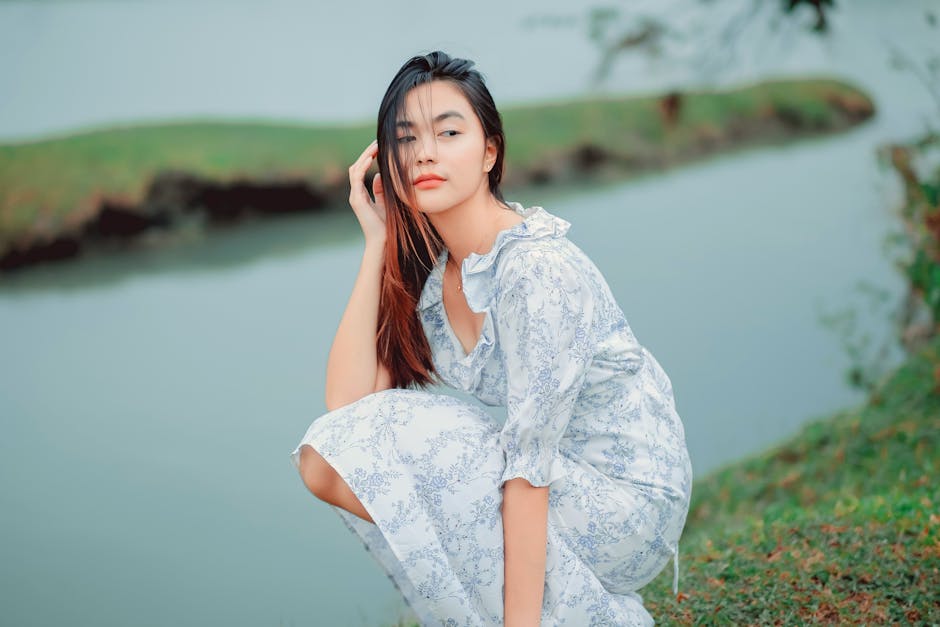
Lawn is the dominant summer fabric in Pakistani fashion. It’s a plain-weave cotton (or cotton-blend) distinguished by its thread count and finish. High-quality lawn feels smooth without being slippery, holds color after washing, and doesn’t go stiff or rough after ironing. Lower-quality lawn — which shows up in economy lines from otherwise reputable brands — has visible weave gaps, prints that bleed slightly at the edges, and a texture that degrades after two to three washes. If you’re buying online, check whether the brand lists the thread count or fabric weight in grams per square meter. Anything above 65 GSM is a good indicator of durability.
Khaddar and Winter Fabrics
Khaddar is a hand-woven or power-loom fabric with a distinctive rough texture. The quality range is wide. Good khaddar has tight, even weave density and holds embroidery cleanly without puckering. Cheap khaddar pills at friction points — collars, cuffs, the edges of dupattas — within one season. When buying khaddar-based winter suits, run your hand against the grain: if the surface snags or sheds threads immediately, the GSM is too low for the price being charged.
Embellishment and Embroidery Durability
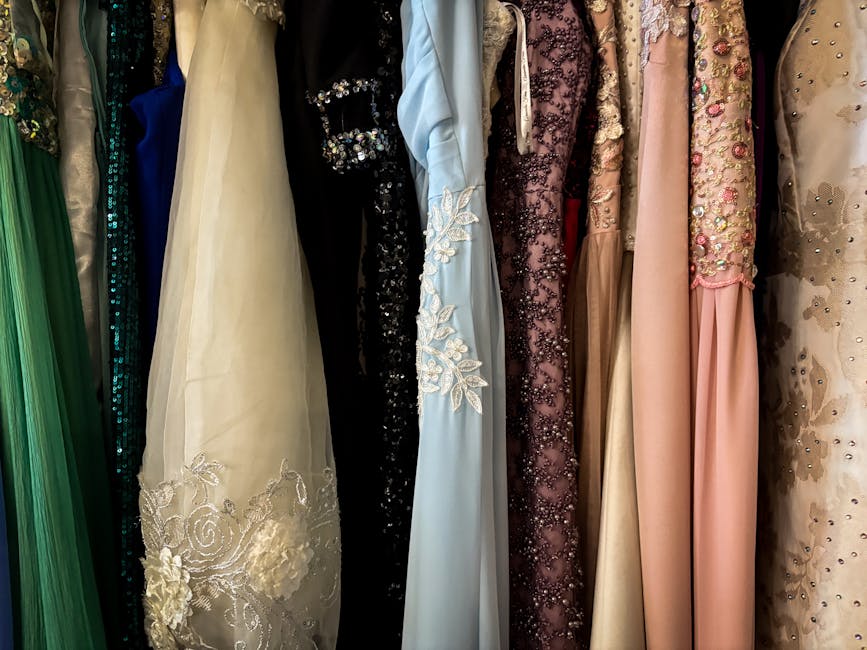
For formal and semi-formal pieces, embellishment quality is where the biggest price differences are actually justified. Machine embroidery at lower price points produces flat, uniform stitch patterns that loosen with dry cleaning. Hand embroidery — which you’ll find on designer pieces above PKR 20,000 — has irregular stitch depth that holds up significantly better and catches light differently. Stone and sequin work on budget formal pieces is almost always glued; on quality pieces it’s stitched. Test by gently pressing a stone: glued stones have micro-movement, stitched ones don’t.
Brand-by-Brand Comparison: Price, Segment, and Strengths
Here is where the market actually sits in 2026. Prices reflect standard retail; sale pricing can shift these significantly.
| Brand | Market Segment | Unstitched Suit Range (PKR) | Pret Range (PKR) | Strongest Category |
|---|---|---|---|---|
| Limelight | Budget | 1,500–3,500 | 1,800–4,500 | Everyday cotton casual |
| Beechtree | Budget–Mid | 2,000–5,000 | 2,500–6,000 | Youth casual, basic pret |
| Alkaram Studio | Mid-range | 2,500–7,500 | 3,000–8,000 | Lawn fabric quality |
| Gul Ahmed | Mid-range | 2,800–9,000 | 3,500–10,000 | Winter khaddar, heritage prints |
| Khaadi | Mid–Premium | 3,500–12,000 | 4,000–13,000 | Block prints, cotton character |
| Cross Stitch | Mid–Premium | 3,500–9,000 | 4,000–11,000 | Embroidered cotton formal |
| Baroque | Premium | 7,000–18,000 | 8,000–22,000 | Luxury chiffon, festive formal |
| Sapphire | Premium | 5,000–14,000 | 5,500–16,000 | Contemporary stitched pret |
| Sana Safinaz | Premium–Luxury | 9,000–30,000 | 12,000–38,000 | Luxury lawn, formal pret |
| Maria B | Luxury | 13,000–55,000 | 15,000–60,000+ | Designer pret, bridal |
| Asim Jofa | Designer | 20,000–80,000+ | 25,000–90,000+ | Embroidered chiffon, bridal |
| Elan | High Couture | N/A | 60,000–300,000+ | Bridal couture, high formal |
Two names worth flagging that don’t appear in typical brand lists: Cross Stitch and Baroque. Both consistently undercut their direct competitors on price while delivering comparable or better embellishment quality. They’re the brands worth knowing if you find Sana Safinaz pricing frustrating but don’t want to compromise on a formal occasion.
The Mid-Range Brands That Actually Deliver Consistent Quality
Alkaram Studio, Gul Ahmed, and Khaadi are the three mid-range names where quality has stayed consistent across multiple seasons — not just in one standout collection. That consistency is what matters most if you’re buying without trying on first or shopping from outside Pakistan.
Alkaram Studio
Alkaram’s advantage is structural: the parent company, Al-Karam Textile Mills, supplies fabric to international brands in Europe and North America. The manufacturing standards that meet those export contracts carry over into the domestic retail line. Their premium lawn collections — labeled Studio or Signature in most seasons — sit in the PKR 4,000–7,500 range for an unstitched suit and deliver thread count and print registration that several brands at twice the price don’t match.
The important qualifier: Alkaram’s economy lawn lines, often priced around PKR 2,000–3,000, use noticeably different base fabric. The print is less sharp, the dupatta fabric is thinner, and the overall construction feels like a different product. The brand name is consistent; the quality tier isn’t. Buy from the premium lines, not the basics.
Gul Ahmed
Founded in 1953, Gul Ahmed is the oldest major textile brand in Pakistani retail fashion, and the heritage shows in two specific categories: winter khaddar suits and embroidered formal collections. Their winter pieces in the PKR 6,000–10,000 range — particularly the Ideas by Gul Ahmed sub-brand — hold embroidery without puckering and maintain color saturation after repeated washing better than most competitors in the same price range. The brand’s digital print technology has also improved noticeably since 2026; fine-line floral prints that used to look pixelated in person now print clean.
Where Gul Ahmed is average: casual pret. The ready-to-wear pieces lack the fit refinement of Sapphire and the fabric character of Khaadi. Stick to unstitched from Gul Ahmed.
Khaadi
Khaadi built its reputation on handwoven and block-printed fabrics and has expanded heavily into mass production since the early 2010s. The original handwoven DNA is still visible in the brand’s core cotton collections. The ready-to-wear pieces — particularly the linen and cotton pret from PKR 5,000–10,000 — have sizing that runs more consistently true across their range than most Pakistani brands, which matters if you’re ordering online. The block print aesthetic is also genuinely distinct; it doesn’t look like the repeating floral patterns that dominate every other brand’s summer collection.
When Premium Pricing Is Actually Justified
Sapphire for everyday pret. Sana Safinaz for occasion dressing. That’s the honest distinction between the two premium names most buyers confuse.
Sapphire’s strength is construction quality on ready-to-wear pieces. Seam finishing, button placement, lining on heavier fabrics — these details are consistently better than competitors at the same price point. The brand also designs with South Asian body proportions in mind rather than adapting Western sizing charts, which matters in a market where a size medium in one brand is a size small in another.
Sana Safinaz’s premium pricing is driven by print exclusivity and embellishment complexity on formal lines, not necessarily construction precision on everyday pieces. Their luxury lawn collection — PKR 12,000–25,000 for an unstitched suit — features prints developed exclusively for each seasonal collection, heavier embroidered borders, and packaging that signals the price point. Whether the base fabric justifies that price over Alkaram’s best line is debatable. Many experienced buyers would say no.
Where Sana Safinaz is unambiguously worth the money: formal and semi-formal pret in the PKR 20,000–35,000 range. The structured silhouettes, embellishment density, and occasion-ready aesthetic in this tier are more polished than Sapphire’s casual-leaning range can match.
For designer-tier names: Maria B is the accessible entry point, with luxury pret starting around PKR 15,000–20,000 and a lawn line (M. Prints) that sits between premium and designer pricing. Asim Jofa is the correct answer for embroidered chiffon formal wear — the embellishment density and fabric quality at PKR 25,000–60,000 is legitimately difficult to replicate at lower price points. Elan is bridal and high formal only; the hand embroidery on pieces above PKR 100,000 reflects genuine craftsmanship, but it’s a narrow use case.
Five Mistakes That Cost Buyers Every Season
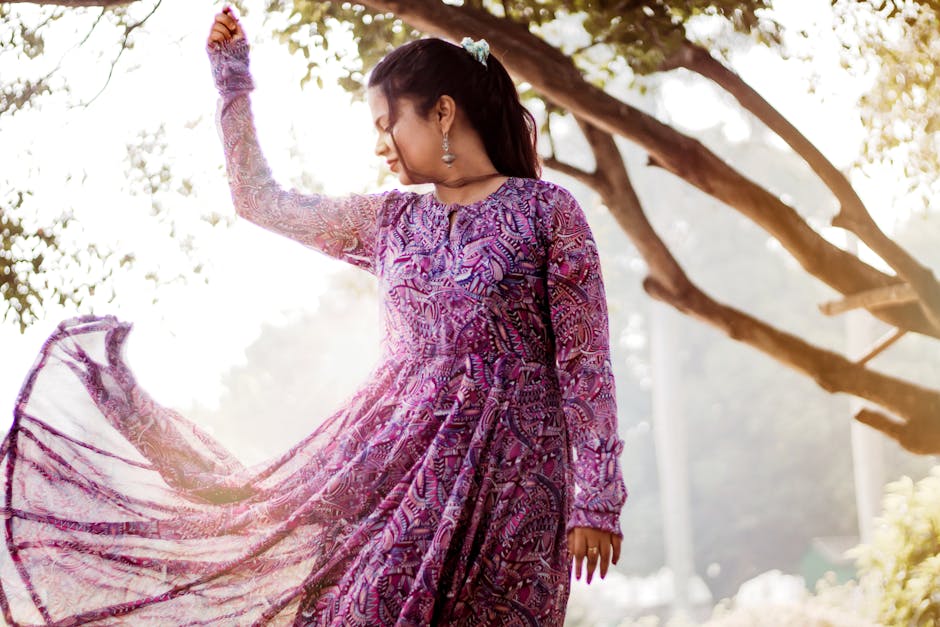
- Treating unstitched price as the final cost. Add PKR 1,500–4,000 for basic tailoring, more for embroidered pieces that need careful handling. A PKR 5,000 unstitched suit becomes PKR 7,000+ before you wear it.
- Buying luxury lawn at launch-week prices. Sana Safinaz, Maria B, and similar brands run mid-season sales where suits priced at PKR 18,000–22,000 drop to PKR 12,000–14,000. If you can wait six to eight weeks after collection launch, you pay significantly less for the same product.
- Assuming all collections from a brand are equal quality. Gul Ahmed’s economy unstitched line and their Signature collection share a brand name and almost nothing else. The base fabric, print registration, and dupatta quality differ substantially.
- Ordering formal embellished pieces online without checking customer photos. Brand photography edits embroidery to look three-dimensional and richly colored. Customer review photos in natural light are far more accurate. Most major platforms including Sana Safinaz’s own website show customer uploads — use them.
- Overlooking Cross Stitch and Baroque entirely. Cross Stitch’s embroidered cotton formal suits in the PKR 4,000–9,000 range compete directly with Khaadi at premium pricing and win on embellishment detail. Baroque’s chiffon formal pieces at PKR 8,000–18,000 undercut Sana Safinaz on price while delivering comparable fabric weight and embellishment quality.
The Verdict by Occasion and Budget
For everyday cotton pret under PKR 10,000: Sapphire for better stitching and sizing, Khaadi for more distinctive fabric character. Both are reliable buys.
For summer unstitched lawn, mid-budget: Alkaram Studio’s premium line at PKR 4,000–7,500. The fabric quality-to-price ratio is better than anything from Sana Safinaz at standard retail pricing.
For Eid or wedding guest wear, PKR 8,000–18,000: Cross Stitch or Baroque. Both are chronically underrated relative to their quality, and both offer something genuinely occasion-appropriate without the marquee name markup.
For formal occasions with a higher budget, PKR 25,000–60,000: Asim Jofa’s embroidered chiffon or net pieces. The embellishment complexity is the right answer for high-visibility events.
For bridal: Elan if budget isn’t a constraint — the hand embroidery is legitimately exceptional. Maria B if you want designer quality at a number that doesn’t require a separate conversation with your family.