Watch trends don’t work like clothing trends. A style that peaks this year doesn’t look embarrassing in three years — it either holds or it fades slowly enough that no one notices. That’s both the appeal and the trap. Buy the wrong thing for the wrong reason and you’re wearing it for a decade.
Here’s where the market actually is right now, what’s worth money at each price tier, and what to skip.
The Four Watch Styles Getting the Most Attention Right Now
Four distinct aesthetics are dominating men’s watch conversations in 2026. Each caught on for different reasons and suits a different buyer.
Integrated Bracelet Watches
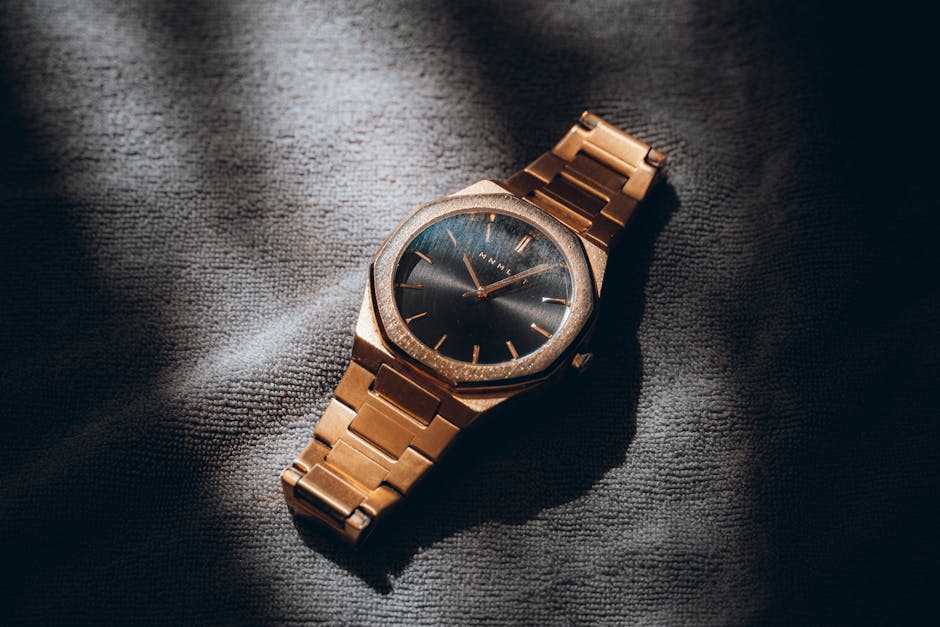
The integrated bracelet look — where the case and bracelet flow as one visual unit with no visible lug join — originated with the Audemars Piguet Royal Oak in the 1970s. The AP costs over $30,000. It took the affordable market roughly a decade to catch up meaningfully.
The Tissot PRX Automatic ($475, 40mm) is the clearest entry point into this style. ETA 2824-2 movement, slim 9.9mm profile, no date complication cluttering the dial. It sits flat on the wrist and reads as a watch that costs considerably more. For office or dinner settings, it works without explanation.
The Frederique Constant Slimline Integrated (~$1,200) steps this up with more refined case finishing and better bracelet tapering. But the Tissot covers 80% of the use case at a third of the price.
Field Watches and Military-Adjacent Aesthetics
Clean. Legible. Undecorated. The field watch revival is a direct reaction to overdesigned pieces loaded with subdials, excessive texture, and busy bezels. The Hamilton Khaki Field Mechanical ($395, 38mm) distills the category: Arabic numerals, lollipop seconds hand, ETA 2801-2 manual-wind movement. It looks like a WWII-era military watch because it’s descended from one.
The Seiko SRPG35 Alpinist (~$450) adds a compass bezel and 200m water resistance to a similar aesthetic. More versatile for outdoor use. The dial is slightly busier, which some buyers like and others don’t.
The CasiOak and What It Actually Represents
The Casio GA-2100 costs $99. Its octagonal case mimics Royal Oak geometry well enough that it earned its own nickname. It became a genuine style object in 2026 and the conversation hasn’t slowed.
Resin case. 51 grams. 200m water resistance. Three-year battery. Shock resistant. What made it trend isn’t irony or budget appeal — it’s that the octagonal bezel shape reads well at any price level. Casio’s own G-Shock line introduced octagonal variants in response. Citizen, Seiko, and Bulova moved in the same direction. The GA-2100 started a conversation the entire industry answered.
The 36–40mm Case Comeback
Men’s watches shrank. After a decade of 44mm and 46mm cases, the market reversed hard. The Tudor Black Bay 58 ($3,325, 39mm) became a benchmark partly because it proved a dive watch could be proportionate. The Orient Bambino V4 ($150, 40mm) benefits from the same logic at the opposite end of the market.
Dress codes loosened, suits slimmed, and oversized cases looked incongruous. This shift is structural, not a passing moment.
| Watch | Case Size | Price (USD) | Movement | Best For |
|---|---|---|---|---|
| Tissot PRX Automatic | 40mm | $475 | ETA 2824-2 automatic | Office, dinner, smart-casual |
| Hamilton Khaki Field Mechanical | 38mm | $395 | ETA 2801-2 manual wind | Casual, travel, any occasion |
| Casio GA-2100 (CasiOak) | 45.4mm (thin) | $99 | Digital/analog quartz | Everyday casual wear |
| Orient Bambino V4 | 40mm | ~$150 | Orient F6724 automatic | Formal and dress occasions |
| Seiko SRPG35 Alpinist | 38mm | ~$450 | Seiko 4R36 automatic | Outdoors, travel, active |
| Tudor Black Bay 58 | 39mm | $3,325 | MT5402 in-house automatic | All occasions, investment piece |
The Spec Most Men Overlook When Buying a Watch
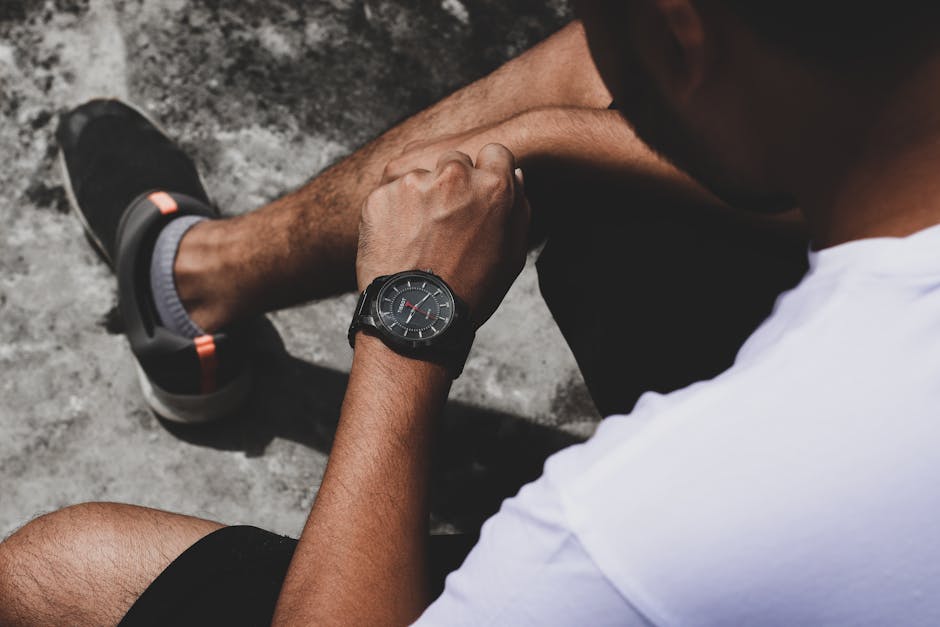
Case diameter is how watches get advertised. Lug-to-lug distance is what actually determines how a watch wears on your wrist — and it’s almost never the number in the headline.
Diameter tells you how wide the dial is. Lug-to-lug tells you how much vertical coverage the watch creates from top to bottom, and whether it overhangs your wrist edges. Two watches both listed as “40mm” can have lug-to-lug measurements that differ by 4–5mm, making one look proportionate and one look too large on the same wrist.
How to Measure Your Wrist Before Ordering
Wrap a cloth tape measure or a strip of paper around your wrist just below the wrist bone — exactly where a watch sits. Measure in millimeters.
- Under 160mm wrist circumference: 36–38mm case diameter, under 44mm lug-to-lug
- 160–175mm wrist: 38–41mm case diameter, 44–47mm lug-to-lug range
- 175mm+ wrist: 40–44mm reads proportionate
A 44mm case on a 155mm wrist looks like a prop. A 36mm case on a 190mm wrist disappears. This isn’t preference — it’s proportion math. Check the lug-to-lug spec before ordering anything online. It appears in virtually every serious watch review and takes 10 seconds to find.
What Case Thickness Actually Affects
Case thickness determines whether a watch fits under a dress shirt cuff. Under 11mm: disappears under any sleeve. 11–13mm: visible but manageable. Over 13mm: creates a visible bulge under a dress shirt and tends to catch on jacket linings.
If you wear formal or business attire regularly, check thickness before purchase. It’s listed in every spec sheet and ignored until it’s too late to return.
What Water Resistance Ratings Actually Mean
A watch rated 30m / 3ATM is not safe for swimming. That rating reflects static pressure in a controlled lab test — not the dynamic pressure of moving through water. The practical thresholds are not negotiable:
- 30m / 3ATM: Splashes only. Not for swimming.
- 50m / 5ATM: Light swimming. Not for diving.
- 100m / 10ATM: Swimming and snorkeling.
- 200m / 20ATM: Dive watch territory, suitable for recreational scuba.
Most dress watches top out at 30m or 50m. Know what the number actually permits before wearing one to the pool.
Specific Watches Worth Buying at Each Budget
Clear picks by price tier. No hedging.
Under $200: Orient Bambino V4 for Dress, Casio GA-2100 for Casual
The Orient Bambino V4 (~$150) runs Orient’s in-house F6724 automatic movement, has a domed mineral crystal, and comes in eight dial variants. At this price, no dress watch competitor matches its build quality and visual impact. Accuracy sits at ±15 seconds per day, which is acceptable at this tier. The white dial with Roman numerals reads several price points above its actual cost.
The Casio GA-2100 ($99) handles casual wear, active use, and daily rotation without apology. Octagonal bezel, 200m water resistance, multi-function digital display, three-year battery. It’s a recognized design object, not a cheap placeholder.
If your budget is under $100 and you specifically want an automatic movement: don’t. Sub-$100 automatics have inconsistent movement quality and poor accuracy records. The Orient at $150 is the minimum viable entry point for a reliable automatic. Below that price, quartz is the correct choice, not the compromise.
$300–$600: Hamilton vs. Tissot — Pick Your Wardrobe
These two watches cover completely different aesthetics at similar prices. The choice isn’t about quality — it’s about what you actually wear.
The Hamilton Khaki Field Mechanical ($395) is the pick for casual and smart-casual wardrobes. Manual winding is a ritual some owners genuinely enjoy. The ETA 2801-2 movement is simple, robust, and well-supported for future servicing. At 38mm and 9.5mm thick, it tucks under any sleeve.
The Tissot PRX Quartz ($325) or PRX Automatic ($475) is the pick for office and formal-leaning wardrobes. The integrated bracelet and slim profile dress up consistently better than the Hamilton. The PRX Automatic runs ±4 seconds per day out of the box.
One point worth stating plainly: quartz movement accuracy (±15 seconds per month) is objectively better than most automatics (±4–20 seconds per day). If precision matters professionally, quartz isn’t the budget compromise — it’s the technically correct choice.
$400–$700: Seiko Prospex for Active Buyers
The Seiko SRPG35 Alpinist (~$450) offers 200m water resistance, a compass bezel, and the 4R36 movement with hacking and hand-winding capability. Seiko manufactures its own movements — parts availability and service access are better than brands using third-party calibers when the watch needs attention five or seven years from now. At 38mm and 46.4mm lug-to-lug, it fits most wrists without overhanging.
Before buying any watch online: check the return policy first. A case that looks proportionate in photographs can wear differently on your actual wrist. Thirty days is the minimum acceptable return window. Some brands offer sixty.
$3,000+: Tudor Black Bay 58, No Real Competition
The Tudor Black Bay 58 ($3,325) earns its price through the in-house MT5402 movement — COSC-certified to ±4 seconds per day, 70-hour power reserve, 200m water resistance — and a 39mm case with 46mm lug-to-lug that actually fits most wrists without overhang. Tudor is Rolex’s sister brand, manufactured in Geneva to matching tolerances.
Buy this once and stop thinking about it. It works at a wedding. It works on a dive boat. It works in a client meeting. Nothing about its design ages, and it holds resale value better than most Swiss watches at this price tier.
When You Should Not Buy a Trending Watch
If you want a specific watch primarily because you’ve seen it repeatedly in your social media feed, wait 90 days. If the want is still there, buy it. Impulse-driven watch purchases have a high regret rate — watches don’t sell easily without taking a meaningful loss on recent retail pricing, and they’re not seasonal items you can quietly retire.
If the choice is between buying a new watch and servicing one you already own and like, service it. A properly serviced watch you’re already attached to beats an unfamiliar new purchase at the same dollar amount. Full service on most Swiss movements runs $150–$300. That math rarely favors replacement.
Common Questions Before Buying
Does brand prestige matter below $500?
Less than the marketing suggests. Orient uses its own in-house movements and beats most fashion brands using rebadged commodity calibers at the same price. Hamilton uses ETA movements from the Swatch Group — well-supported for service. Fossil, MVMT, and Daniel Wellington at similar prices use movements with thinner service infrastructure and lower finishing standards. Below $500, check the movement origin and serviceability. Brand name and movement quality are not the same thing at this tier.
How often does a watch actually need servicing?
Automatic and mechanical movements: every 5–7 years. Cost ranges from about $80 for a basic Seiko caliber to $400+ for a complex Swiss movement. Quartz watches need battery replacement every 2–4 years ($10–$30 at a jeweler) and a full service every 10+ years. If you’re buying an automatic and won’t realistically budget for periodic servicing, quartz is the more honest choice for your actual lifestyle.
Is pre-owned worth considering?
Yes, specifically for Swiss watches over $800. A pre-owned Longines HydroConquest (41mm, 300m water resistance, ETA 2824-2 movement) that retails new above $1,100 regularly appears used in the $650–$800 range on Chrono24 or WatchBox, both of which offer authentication and buyer protection. For Seiko and Casio, pre-owned savings relative to retail prices are smaller, and condition variance isn’t worth the risk. Buy those new.
Do straps make a real difference?
More than most buyers expect. A leather strap from Hirsch or Hadley-Roma ($25–$50) regularly outperforms the stock strap on a $300 watch in both texture and long-term durability. For sport and casual watches, a NATO strap ($10–$20) is lighter than a metal bracelet, fully washable, and more comfortable in warm weather. The watch case is the investment. Strap-swapping is inexpensive customization that changes the entire character of a piece without touching its resale value.