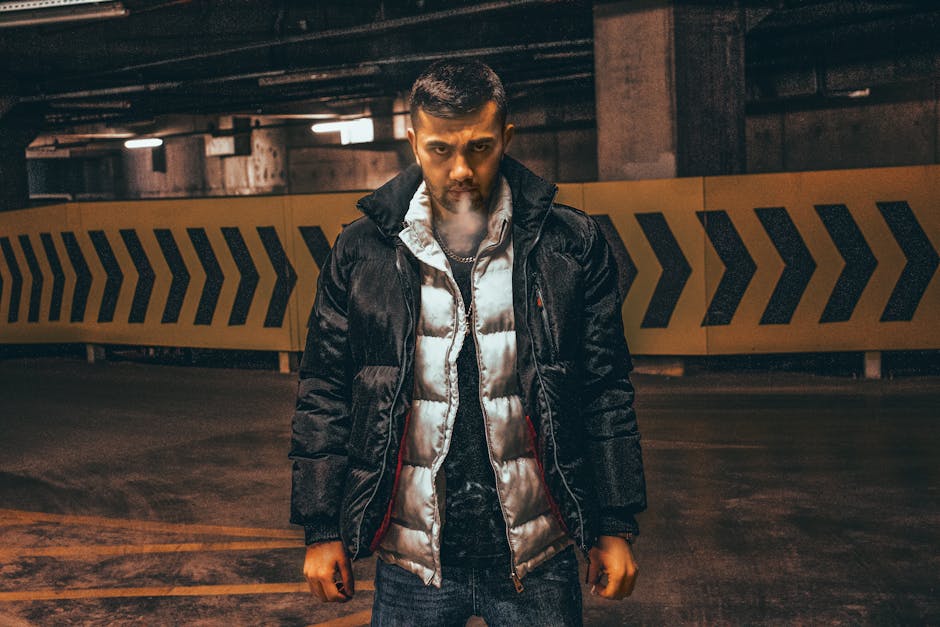
Tag: outerwear

  • Best Puffer Jacket Teens 2026: Avoid Costly Mistakes

    Best Puffer Jacket Teens 2026: Avoid Costly Mistakes

    Stop Believing These Puffer Jacket Myths for Teens

    Many teens, and their parents, fall for common misconceptions when buying a puffer jacket, leading to uncomfortable purchases that don’t deliver real warmth. It’s easy to get caught up in marketing or assume that all puffers are created equal. Understanding these myths is the first step to making a smart purchase.

    The ‘Bigger is Warmer’ Fallacy

    This is a huge misconception. Many teens think a bulky jacket automatically offers superior warmth. The truth is, warmth primarily comes from the quality and type of insulation, not just its volume. A well-constructed, thinner jacket with high-quality down or advanced synthetic insulation can easily outperform a thick, cheaply insulated one. It’s about trapping air effectively, not just taking up space. This myth often leads to uncomfortable, restrictive purchases that don’t actually deliver the desired warmth, leaving teens frustrated and parents out of pocket. Focus on fill power and insulation types rather than just visual bulk.

    Down vs. Synthetic: The Real Difference in Performance

    While high-quality down offers an excellent warmth-to-weight ratio and is incredibly compressible, it’s not universally superior. Down loses significant insulating power when wet, making it less ideal for rainy or very humid climates unless treated with a water-resistant coating. Synthetic insulations, like PrimaLoft or Thinsulate, retain much of their warmth even when damp, which is a major advantage for active teens who might get caught in unexpected downpours or snow. They’re also often more hypoallergenic and easier to care for. Choosing between down and synthetic depends heavily on the typical weather conditions and the teen’s activity level. Both have their place and excel in different scenarios.

    Any Waterproof Claim is Good Enough

    There’s a big difference between water-resistant and truly waterproof. Many puffer jackets claim some level of water protection, but this often means a DWR (Durable Water Repellent) coating that will eventually wear off, or simply a tightly woven fabric that can handle a light drizzle. For serious rain or wet snow, a fully waterproof jacket with taped seams is essential. Without it, the insulation inside will get wet, lose its loft, and leave the wearer cold. Teens need to understand that "water-resistant" is for light, fleeting moisture, while "waterproof" offers real protection in downpours. Investing in the right level of water protection prevents a wet, miserable experience.

    Understanding Fill Power and Warmth Ratings

    A woman stands at Leibnitz train station, Steiermark, Austria, waiting on a sunny day.

    When picking a puffer, fill power is the most important number for down insulation. It tells you how much space one ounce of down occupies when fully fluffed. Higher numbers mean more loft, which traps more air, leading to more warmth for less weight. For teens, a fill power of 550-650 is a solid starting point for everyday winter use in moderate climates. If they face colder conditions or need maximum warmth with minimal bulk, look for 700 or even 800 fill power. Patagonia’s Down Sweater uses 800-fill-power down, for example, making it incredibly warm for its weight. Columbia often uses 650-fill-power down in their more affordable options like the Autumn Park Down Jacket, which is still very effective for most scenarios.

    Decoding Fill Power Numbers (e.g., 600, 700, 800)

    Fill power is measured by placing one ounce of down in a graduated cylinder and observing how many cubic inches it fills. A 600 fill-power jacket means one ounce of down fills 600 cubic inches. Generally:

    • 500-600 Fill Power: Good for everyday casual use in mild to moderate cold. Offers decent warmth and is often more budget-friendly.
    • 650-750 Fill Power: Excellent for cold winter conditions, better warmth-to-weight ratio, more compressible. Ideal for active teens who need warmth without bulk.
    • 800+ Fill Power: Premium warmth for extreme cold, highly compressible, and very lightweight. These jackets are often more expensive but offer top-tier performance.

    Synthetic Insulation: What to Look For (e.g., PrimaLoft, Thinsulate)

    Synthetic insulation, on the other hand, doesn’t use fill power. Brands like The North Face, with their ThermoBall insulation, or Adidas, with PrimaLoft, have developed proprietary synthetic fills. These often come with their own warmth ratings or are simply described as being equivalent to certain down fill powers. The key advantage of synthetics is their performance when wet. Down clumps when wet and loses insulation, but synthetics retain much of their warmth. This makes them ideal for environments where rain or wet snow is common, or for teens who are very active and might sweat a lot. For example, a jacket using PrimaLoft Black Eco insulation might offer warmth comparable to 550-fill-power down but with better wet-weather performance. Always check the brand’s specific claims for warmth equivalency with synthetic fills.

    Warmth-to-Weight Ratio Explained

    Beyond insulation type, consider the overall warmth-to-weight ratio. This is critical for teens who value mobility and don’t want to feel weighed down by their jacket. A high warmth-to-weight ratio means the jacket provides significant warmth without being excessively heavy or bulky. This is often achieved with high fill-power down or advanced synthetic materials. For instance, a lightweight 700-fill-power down jacket offers superior warmth for its weight compared to a much heavier, lower fill-power down jacket. Brands like Arc’teryx or Feathered Friends excel in this area, though their price tags reflect the premium materials and design. For a more budget-friendly option with a good warmth-to-weight ratio, Uniqlo’s Ultra Light Down jackets are often a popular choice, though they are designed for milder cold and layering rather than extreme winter conditions. Always balance the need for warmth with the desire for a lightweight, easy-to-wear piece.

    Essential Features for Teen Puffer Jackets

    Choosing a puffer isn’t just about insulation; specific features dramatically impact its usability and longevity. Prioritizing these details ensures the jacket works as hard as the teen wearing it.

    1. Water Resistance and DWR Coatings

      This is critical. Look for jackets with at least a Durable Water Repellent (DWR) coating on the outer fabric. This causes water to bead up and roll off, preventing the fabric from soaking through quickly. While a DWR isn’t truly waterproof, it’s essential for keeping the insulation dry in light rain or snow. Brands like Columbia often feature their "Omni-Shield" or "Omni-Tech" water-resistant treatments. For teens in consistently wet climates, consider jackets with a fully waterproof outer shell and taped seams, though these are less common for traditional puffers and tend to be more expensive. Check the care label for instructions on reapplying DWR, as it wears off over time. Nikwax TX.Direct Wash-In (around $15) can restore water repellency.

    2. Durable Zippers and Cuffs

      A broken zipper renders a jacket useless. Opt for jackets with robust YKK zippers, known for their reliability. Look for smooth operation and larger teeth that are less likely to snag or break. Cuffs are also high-wear areas. Elasticated cuffs are common and effective at sealing out cold, but they can stretch out over time. Cuffs with Velcro closures or internal elastic gaskets offer better adjustability and durability. Jackets from Patagonia or The North Face generally use high-quality hardware that stands up to daily teen use. Avoid flimsy plastic zippers or cuffs that feel thin and easily tear.

    3. Adjustable Hoods and Hems

      These features allow teens to customize the fit, sealing in warmth and protecting against wind. An adjustable hood, often with drawcords, ensures it stays put in windy conditions and offers maximum head protection. A fixed, non-adjustable hood can be more of a nuisance than a benefit if it constantly falls or blows off. Similarly, an adjustable hem (usually with a drawcord or elastic) prevents cold air from coming up from the bottom of the jacket. This is particularly useful for active teens who are bending, stretching, or riding bikes. These small details significantly enhance comfort and thermal efficiency, especially when temperatures drop. Without them, cold spots are inevitable, making the jacket less effective overall.

    Finding the Perfect Fit: Sizing Up or Staying True?

    Two women browsing colorful clothing racks in a modern boutique.

    The biggest mistake teens make when buying a puffer jacket is choosing the wrong size, either too big or too small, which compromises both warmth and style. The ideal fit is snug enough to trap body heat effectively, but loose enough to allow for layering and unrestricted movement. Going too big means excessive air pockets that your body can’t heat, leaving you cold. Going too small restricts blood flow, also making you cold, and limits layering options. Always measure the teen’s chest, waist, and arm length, then compare these to the brand’s specific sizing chart. Do not rely solely on their typical t-shirt size. Brands like Uniqlo are known for more Asian sizing, which can run smaller, while some American brands like Old Navy might run larger. Trying on the jacket with a typical winter layer, like a hoodie, is essential.

    Layering Space vs. Bulk

    While you need room for a sweater or hoodie underneath, resist the urge to buy a jacket several sizes up. The goal is comfortable layering, not creating a cavern of cold air. A properly sized puffer should allow you to lift your arms above your head and reach forward without the hem riding up excessively or feeling tight across the shoulders. For instance, if a teen is usually a medium, they might find a medium puffer from a brand like Adidas or Nike provides enough layering room without looking overly bulky. If they plan on wearing very thick sweaters, going up one size might be acceptable, but only if the brand’s fit is already on the slimmer side. Always prioritize function and warmth over a slightly oversized "fashion" look that might not actually keep them warm.

    Arm Length and Torso Coverage

    These two aspects are frequently overlooked. A puffer jacket’s sleeves should extend to the wrist, covering it completely, even when arms are raised. If sleeves are too short, cold air rushes in. Similarly, the jacket hem should typically fall at or just below the hip to provide adequate torso coverage and prevent drafts. For longer coverage, consider parka-style puffers. Test the fit by having the teen perform typical movements: reaching, bending, sitting. If any area feels tight or exposed, it’s not the right fit. For example, Columbia’s puffers often have a more relaxed fit, which can be forgiving, while Patagonia’s often have a more athletic, true-to-size cut. Paying attention to these details prevents cold wrists and exposed midriffs, common complaints with ill-fitting jackets.

    Puffer Jacket Budgets: What Really Makes a Difference?

    Budgeting for a teen’s puffer jacket can feel daunting, with prices ranging from under $50 to well over $300. But what justifies these differences? Often, it comes down to the quality of materials, the brand’s reputation for durability, and advanced features. Spending more usually means higher fill-power down, more advanced synthetic insulation, better water-resistant coatings, and more robust zippers and fabrics. However, it’s possible to find excellent value without breaking the bank.

    What’s a reasonable price for a quality teen puffer?

    A reasonable budget for a dependable teen puffer jacket, assuming moderate winter conditions, is typically between $80 and $180. In this range, you can find jackets with decent 550-650 fill-power down or effective synthetic insulation, a DWR coating, and reliable construction. Brands like Old Navy, H&M, and Uniqlo offer options often below $100, which are good for milder cold or as a layering piece. For more robust options, Columbia’s youth line often falls into the $100-$150 range, providing good warmth and durability for the price. The North Face’s entry-level puffers or sales on their more popular models can also sometimes be found in the $150-$200 bracket. Aiming for this mid-range ensures a balance of quality and affordability for most teens.

    When should you spend more on a specific feature?

    You should consider spending more if your teen faces specific, demanding conditions or if longevity is a top priority. For instance, if they live in an area with consistently frigid temperatures (below 20°F/-6°C) or frequent heavy snow, investing in a jacket with 700+ fill-power down or highly advanced synthetic insulation (like PrimaLoft Gold) is worthwhile. These high-performance materials provide superior warmth for their weight, which can be crucial for comfort and safety. Similarly, if your teen is particularly active outdoors and needs a jacket that can withstand rough use and frequent washing, a more expensive model from brands like Patagonia (e.g., their Down Sweater, around $279) or Arc’teryx (e.g., Atom LT Hoody, around $300) will offer better long-term durability, often with lifetime repair guarantees. Also, if true waterproofing is essential due to heavy rain, expect to pay more for a jacket with a robust waterproof membrane and taped seams.

    Are cheaper puffers ever a good idea?

    Yes, cheaper puffers (under $80) can be a good idea, but it depends on the intended use. They are excellent for mild winter days, as a car coat, or as a layering piece under a waterproof shell. For example, a basic puffer from Target or Old Navy might cost $40-$60. These are suitable for quick trips outside, walking to school in crisp but not freezing weather, or for teens who rapidly outgrow clothes. They usually feature lower-quality synthetic insulation and minimal water resistance. While they won’t stand up to extreme cold or heavy use, they offer a decent warmth-to-value ratio for casual, less demanding situations. Just manage expectations regarding their performance in harsh weather and overall lifespan.

    Top Puffer Jacket Recommendations for Teens (2026)

    Graffiti reading 'Meerlicht' on a dark textured wall in warm lighting.

    Choosing the best puffer jacket involves balancing warmth, durability, style, and price. Based on current market trends and consistent brand performance, here are some top picks for teens in 2026, covering different needs and budgets. Remember that specific model names change, but these brands reliably offer excellent options in their respective categories. Prices are approximate and subject to change.

    Recommendation Brand/Model Example Approx. Price (USD) Key Feature for Teens Ideal For
    Everyday Versatility The North Face ‘Youth 1996 Retro Nuptse’ (or similar) $180 – $220 Iconic style, reliable 600-fill down, durable shell. Fashion-conscious teens, moderate to cold winters, layering.
    Performance & Durability Columbia ‘Bugaboo II’ (or similar insulated shell) $100 – $160 Omni-Heat thermal reflective lining, waterproof shell, often 3-in-1 system. Active teens, wet/snowy climates, skiing/snowboarding.
    Lightweight & Packable Uniqlo ‘Ultra Light Down Jacket’ $60 – $80 Extremely lightweight, packs into a small pouch, 640 fill-power. Mild winters, layering piece, travel, everyday errands.
    Budget-Friendly Warmth Old Navy ‘Puffer Jacket’ (youth sizes) $40 – $70 Affordable synthetic insulation, variety of colors, good basic warmth. Casual wear, mild to moderate cold, rapid growth spurts.
    Eco-Conscious Choice Patagonia ‘Recycled Down Jacket’ (youth models) $150 – $200 Ethically sourced or recycled down, durable, repairable, responsible brand. Environmentally aware teens, long-term investment, cold weather.
    Sporty & Modern Adidas ‘Tiro 23 Down Jacket’ (or similar) $90 – $130 Sleek design, synthetic or responsibly sourced down, breathable. Athletic teens, urban environments, active lifestyles.

    This table highlights a range of options, from fashion-forward classics to high-performance outdoor gear. When making your choice, consider the teen’s primary use case: Is it for daily school wear, outdoor adventures, or a mix? The North Face Nuptse, for example, is a timeless choice that holds its value and style for years, making it a sound investment despite a higher upfront cost. For wet climates, Columbia’s technical features often provide superior protection. Uniqlo offers incredible value for a lightweight option, perfect for that transitional weather or as a mid-layer. Don’t overlook Old Navy for a cost-effective solution for growth spurts or less demanding use. Ultimately, the "best" jacket aligns with the teen’s specific needs, style preferences, and your budget.

    Extend Your Puffer Jacket’s Life: Care and Storage Tips

    A common mistake is treating all puffer jackets the same when it comes to cleaning and storage; this can quickly ruin insulation and shorten its lifespan. Different insulation types and outer fabrics require specific care to maintain loft and performance. Proper maintenance isn’t just about making the jacket last longer; it’s about preserving its warmth and water resistance.

    Washing Down vs. Synthetic Puffers

    Washing a down puffer requires delicacy. Always check the care tag first. Most down jackets should be machine washed on a gentle cycle with cold water using a technical cleaner specifically designed for down, like Nikwax Down Wash Direct (approx. $12) or Granger’s Down Wash (approx. $10). Use very little detergent, as residue can flatten down. It’s crucial to add a few clean tennis balls or dryer balls to the dryer during the drying cycle to break up clumps and restore loft. This process can take several hours on low heat. Never dry clean a down jacket, as the chemicals can damage the down.

    Synthetic puffers are generally easier to wash. They can also be machine washed on a gentle cycle with cold water and a mild, non-detergent soap. Unlike down, synthetic insulation doesn’t clump as easily, so dryer balls aren’t strictly necessary, though they can help fluff it up. Again, use low heat in the dryer to avoid melting synthetic fibers. Avoid fabric softener for both types, as it can coat the fibers and reduce insulation effectiveness.

    Proper Drying Techniques

    Drying is arguably the most critical step for a puffer jacket. For down jackets, use a dryer on low heat with several clean tennis balls. Pause the dryer every 20-30 minutes to manually fluff the jacket and break up any wet down clumps. This is a lengthy process, often taking 3-5 hours, but it’s essential for restoring the jacket’s loft and warmth. If the down isn’t fully dry, it can develop mildew and lose its insulating properties permanently. Synthetic jackets also benefit from low heat drying; hang drying is also an option for synthetics, though it takes longer.

    Off-Season Storage

    Never compress a puffer jacket for long-term storage, especially down jackets. This can permanently damage the insulation’s ability to loft. Instead, store it loosely hung in a closet or in a large breathable storage bag. Ensure the jacket is completely clean and dry before storing to prevent mildew or odors. If it has a DWR coating, consider reapplying it before storage to ensure it’s ready for the next cold season. Proper storage ensures the insulation remains fluffy and effective, ready to provide warmth year after year.

    Here’s a quick comparison for puffer care:

    • Down Jackets:
      • Wash: Gentle cycle, cold water, down-specific cleaner.
      • Dry: Low heat, 3-5 hours, with tennis balls.
      • Store: Loosely hung, uncompressed.
    • Synthetic Jackets:
      • Wash: Gentle cycle, cold water, mild soap.
      • Dry: Low heat or hang dry.
      • Store: Loosely hung, uncompressed.
  • Stop Overpaying for Stylish Winter Coats: My Top Picks

    Stop Overpaying for Stylish Winter Coats: My Top Picks

    Let’s clear something up right away: the idea that you need to spend a thousand dollars or more to get a truly warm, genuinely stylish winter coat is just wrong. I’ve bought into that myth, you’ve probably bought into it. I’ve owned the expensive ones, the mid-range ones, and even a few budget options. And you know what? Price tag often has very little to do with actual performance or how good it looks after a season.

    Through years of trial and error—and way too many freezing walks that left me regretting my coat choice—I’ve learned what actually matters. It’s about the materials, the construction, and how it fits your lifestyle, not the logo. I’m here to tell you where to put your money, and more importantly, where not to.

    Stop Believing the Price Hype: It’s About Construction, Not Cost

    I see people drop serious cash on a coat just because it has a fancy badge, thinking it guarantees warmth and durability. That’s a common misconception, and frankly, it’s a huge waste of money. I’ve learned the hard way that a well-constructed coat from a mid-tier brand will often outperform a designer piece that cuts corners on the crucial bits. What you’re really paying for with some high-end brands is branding and marketing, not necessarily superior insulation or weather resistance. The details matter, not the name.

    When I pick a coat, I look past the label. I’m checking the seams, feeling the fabric, and asking about the fill. A coat can look great on the rack, but if it doesn’t stand up to a biting wind or a surprise snowstorm, it’s just an expensive decoration. You need something that will actually keep you warm, dry, and comfortable, all while looking put-together.

    Down Fill Power vs. Synthetic: What Actually Matters

    This is where most people get confused. Down fill power (FP) is a big deal, and it essentially tells you how fluffy and insulating a given weight of down is. Higher FP means more warmth for less weight. For serious cold, I look for at least 600 FP, but 700-800 FP is ideal. Don’t fall for “down blend” unless you know the exact down percentage; it’s usually mostly feathers, which don’t insulate as well.

    But here’s the kicker: synthetic insulation has gotten incredibly good. Brands like Primaloft and Thinsulate are fantastic, especially if you live somewhere wet. Down loses almost all its insulating properties when it gets wet, making you colder. Synthetic still works when damp. For general city wear in varied conditions, I often prefer a good synthetic fill because it’s less fussy to care for and performs better in slushy weather. Don’t dismiss it just because it isn’t down.

    The Shell Game: Waterproofing and Wind Resistance

    A coat can have all the down in the world, but if the shell lets wind rip right through, you’ll still be freezing. This is where you need to pay attention. Look for terms like “windproof” and “water-resistant” or “waterproof.” A durable water repellent (DWR) finish is common and good for light rain, but for real protection, you want fully taped seams and a membrane like Gore-Tex or similar proprietary tech. I once bought a gorgeous wool coat that looked warm but had zero wind resistance. I learned quickly that style points don’t count when the wind chill hits -20 degrees Celsius.

    For urban environments, a water-resistant shell is usually enough, especially if you’re only out for short periods. But if you’re commuting by foot or waiting for public transport in miserable conditions, a truly waterproof and windproof shell is non-negotiable. Don’t compromise here; a soggy, wind-battered coat is worthless.

    Common Mistakes I See People Make (And How to Avoid Them)

    Stop sign with altered message in urban street setting, highlighting social commentary.

    I’ve made almost every mistake in the book when it comes to buying winter coats. I’ve bought coats too small to layer, coats too bulky to drive in, and coats that looked fantastic but couldn’t keep me warm in a slight breeze. Here’s what I’ve learned to avoid:

    • Ignoring the “Layering Test” in the Store: Never, ever buy a winter coat without trying it on over your thickest sweater. If it feels tight or restrictive, it’s too small. You need room for airflow and for those crucial extra layers on truly frigid days.
    • Prioritizing “Fashion” Over Function in Extreme Cold: A sleek, uninsulated trench coat is stylish, yes, but it won’t save you in a blizzard. Know your climate. If you live somewhere with real winters, you need real insulation. You can still be stylish; it just requires smarter choices.
    • Assuming All Wool Coats Are Equal: A thin, unlined fashion wool coat is not the same as a heavy, insulated wool parka. Check the lining, the weight, and whether it has a wind-blocking membrane. Many beautiful wool coats are purely for aesthetics, not warmth.
    • Forgetting the Weight Test: Some super warm coats are also super heavy. While that can be fine for short walks, lugging a 10-pound coat around all day is exhausting. Lift it up, feel the weight. There are amazing lightweight options that deliver serious warmth now.
    • Not Checking Zipper Quality: A cheap, flimsy zipper will break, jam, or snag. This is a critical point of failure for winter coats. Look for sturdy YKK zippers, preferably two-way, so you can unzip from the bottom for more mobility when sitting or walking.

    Ignoring Layering Capacity

    This is a big one. I used to buy coats that fit perfectly over a t-shirt, thinking that was enough. Wrong. Your winter coat needs to accommodate a sweater, maybe a fleece, possibly even a vest underneath. That extra space isn’t just for comfort; it creates air pockets that trap heat, making you warmer. Always size up if you’re between sizes, especially in a fitted style like a wool coat or a slimmer parka. You want mobility, not restriction, when you’re bundled up.

    Buying for “Warmth” Over Practicality

    Sure, a giant mountaineering parka designed for Everest base camp will keep you warm. But is it practical for navigating city streets? Probably not. It’ll be bulky, hot indoors, and overkill. Think about your daily activities. Do you commute on public transit, drive, walk a lot? Your coat needs to fit your actual life, not just an imaginary Arctic expedition. I learned that my ultimate “warmest” coat often sat in the closet because it was just too much for normal winter days.

    Forgetting the Weight Test

    I mentioned this briefly, but it deserves its own note. A heavy coat can feel comforting initially, but after an hour of walking, it starts to feel like a burden. Modern insulation technology, both down and synthetic, allows for incredible warmth-to-weight ratios. Don’t settle for a coat that feels like a lead blanket. Lighter coats are also easier to pack if you’re traveling, and far more comfortable for everyday wear.

    My Go-To Picks for Seriously Cold Weather (Still Stylish)

    Okay, so you need serious warmth, but you still want to look good. This is my sweet spot. I’m not talking about technical mountaineering gear here, but coats that genuinely battle the cold without making you look like a marshmallow. I’ve tested these in sub-zero temperatures, and they deliver.

    The Canada Goose Alternative: Aritzia Super Puff Long

    I’m going to get some heat for this, but I think the Aritzia Super Puff Long ($298-$378, depending on material) is a fantastic, stylish, and incredibly warm alternative to some of the super expensive down parkas out there. It uses 100% responsibly sourced goose down with 700+ fill power, and it’s genuinely warm down to about -30 degrees Celsius (-22 F). The fit is oversized but structured, giving it a modern, fashion-forward look. Plus, it comes in a gazillion colors and finishes (matte, high-gloss, corduroy). I own one, and it’s my absolute go-to for truly cold days when I still want to feel put-together. It’s wind-resistant and water-repellent, too. Don’t buy the cheap knock-offs; get the real thing.

    Best Value for Extreme Warmth: Eddie Bauer Superior Down Parka

    For sheer warmth-for-your-buck, you can’t beat the Eddie Bauer Superior Down Parka ($200-$350, often on sale). This thing is a beast. It boasts 650 fill power down and is rated for temperatures down to -45 degrees Celsius (-50 F). It might not have the high-fashion edge of the Aritzia Super Puff, but it’s still sleek enough for everyday wear, especially in black or navy. The hood is adjustable and fur-lined (removable faux fur), and it’s packed with smart features like fleece-lined pockets and an interior storm flap. If you need serious warmth and don’t want to break the bank, this is where I’d tell you to look first. I’ve recommended this coat to countless friends, and none have been disappointed.

    Feature Aritzia Super Puff Long Eddie Bauer Superior Down Parka
    Price Range $298 – $378 $200 – $350 (often on sale)
    Fill Power 700+ Goose Down 650 Down Fill
    Temp Rating (approx.) -30°C (-22°F) -45°C (-50°F)
    Style Fashion-forward, oversized Classic, functional parka
    Water/Wind Resistance Water-repellent, Wind-resistant Water-repellent, Windproof
    Key Differentiator Trendy, vast color options Extreme warmth, excellent value

    Best Stylish Winter Coats for City Life (My Top 3)

    Two women browsing colorful clothing racks in a modern boutique.
    1. Everlane ReNew Long Puffer ($198): If you want something environmentally conscious, super comfortable, and genuinely chic, the Everlane ReNew Long Puffer is a winner. It’s made from 100% recycled polyester fill and shell, yet it’s incredibly warm for urban temperatures, probably down to about -10 degrees Celsius (14 F) with good layering. The long length provides great coverage, and the minimalist design means it pairs well with everything from jeans to work attire. It’s not for extreme blizzards, but for most city winters, it’s perfect. I love that it feels lightweight but still cozy.

    2. J.Crew Chateau Parka ($378, often 30-50% off): This is my favorite non-puffer option for looking polished and staying warm. The J.Crew Chateau Parka is a classic for a reason. It’s a wool-blend coat with a Thinsulate lining, making it surprisingly warm for a non-down option, good for down to about -5 degrees Celsius (23 F). The faux-fur trimmed hood is detachable, and the tailored fit is incredibly flattering. It’s a workhorse for dressier occasions or when you just want to avoid the puffer look. Wait for a sale, and you can get it for around $200.

    3. Uniqlo Seamless Down Parka ($149): For an everyday, no-fuss, incredibly practical, and surprisingly sleek down coat, the Uniqlo Seamless Down Parka is unbeatable at its price point. It uses 650 fill power down, has a water-repellent finish, and the seamless design helps block wind and prevents down leakage. It’s not as warm as the Aritzia or Eddie Bauer, but it’s fantastic for temperatures down to about -15 degrees Celsius (5 F). It’s lightweight, easy to move in, and the hood offers good coverage. I always recommend this as a solid, affordable entry into quality down outerwear.

    Quick Verdict: My Absolute Must-Have

    If I had to pick just one coat for all-around style, warmth, and value in a truly cold climate, I’d go with the Aritzia Super Puff Long. It performs incredibly well, looks current, and has proven its worth for me time and again. It’s a splurge, but it earns its keep.

    Q&A: Your Winter Coat Dilemmas, Solved

    A woman in a gray coat stands on a terrace, gazing at a snowy landscape under a blue sky.

    Is a Waterproof Coat Always Necessary?

    No, not always. For light snow or dry cold, a water-resistant or even just a dense, windproof fabric is often enough. But if you live in a climate with frequent rain, freezing rain, or heavy, wet snow, then yes, a truly waterproof coat with taped seams is a . I learned this the hard way after a miserable walk in a “water-resistant” coat that soaked through in a drizzle. Know your local forecast!

    How Often Should I Clean My Winter Coat?

    It depends on how often you wear it and how dirty it gets. For down coats, dry cleaning or professional wet cleaning (if the label allows) once a season is usually sufficient. Over-cleaning can degrade the down. For wool coats, spot cleaning is usually fine, with a professional cleaning every year or two. Synthetics can often be machine washed at home on a gentle cycle. Always check the care label; ignoring it is a quick way to ruin a good coat.

    What’s the Deal with Technical Fabrics?

    Technical fabrics like Gore-Tex, Pertex, and various proprietary blends are designed to offer specific performance benefits: waterproofing, windproofing, breathability, or durability. They often use membranes or special weaves. The “deal” is that they work. They allow sweat vapor out while keeping rain and wind from coming in. If you’re active outdoors or live in a very wet or windy climate, investing in a coat with a good technical fabric shell is absolutely worth it for comfort and protection.

    Keeping Your Coat Looking Good for Years (Maintenance)

    You’ve invested in a good coat, so make it last. Winter coats aren’t cheap, and proper care will extend their life and maintain their warmth. This isn’t just about keeping it clean; it’s about preserving the integrity of the insulation and the outer shell.

    Proper Storage Techniques

    When winter is over, don’t just shove your coat into the back of the closet. Make sure it’s clean and completely dry. Store it on a sturdy, broad-shouldered hanger to maintain its shape, especially for heavier wool coats or puffers. For down coats, avoid compressing them for long periods, as this can damage the down clusters. Use a breathable garment bag to protect it from dust and pests. Never use plastic dry-cleaning bags for long-term storage; they trap moisture and can lead to mildew.

    Stain Removal and Spot Cleaning

    Address spills and stains as quickly as possible. For most common stains on synthetic or water-resistant shells, a damp cloth with a mild soap solution is often enough. For greasy stains, a dab of dish soap can work wonders. For wool, be much more careful; often a specialty wool cleaner or a visit to the dry cleaner is best. Always test any cleaning solution on an inconspicuous area first. Don’t rub aggressively, as this can spread the stain or damage the fabric. Gentle blotting is key. Knowing how to quickly deal with small issues means you won’t have to fully clean your coat as often, which preserves its materials.